Renaissance masters, in order

100 Famous Renaissance Painters: The Definitive Ranking

The most famous Renaissance painter is Leonardo da Vinci (1452–1519), known for Mona Lisa (La Gioconda) and The Last Supper. Next come Michelangelo, Albrecht Dürer, Raphael and Giotto. This ranking of the 100 most famous Renaissance painters runs from Cimabue (born 1240) to Luca Giordano (born 1634), across 6 countries.

How this list is ranked. Artists whose works our catalogue files under Renaissance, in the order of our fame ranking of artists. Artists without a Wikidata identifier born after 1955 are left out until verified. The Wikipedia figure next to each name is the number of our 32 languages in which Wikipedia has an article on the artist.

  1. Mona Lisa (La Gioconda) by Leonardo da Vinci1Leonardo da Vinci
  2. Pietà by Michelangelo2Michelangelo
  3. The Four Horsemen of the Apocalypse by Albrecht Dürer3Albrecht Dürer

The essentials

Renaissance at a glance

  • 100Artists
  • 1240–1634Years of birth
  • 6Countries of birth
  • 1Women
  • 19,238Works in our catalogue
Cities with most births
Florence (17), Venice (8), Siena (6), Augsburg (3)
Museums holding the most key works
National Gallery (16), Galleria degli Uffizi (13), Metropolitan Museum of Art (13), The Louvre (12)
The women of this list
Sofonisba Anguissola

Ranked, with their masterpieces

The ranking: 100 Renaissance Painters and their key works

1of 100

Leonardo da Vinci

Italian Born in Anchiano High Renaissance Wikipedia in 32/32 languages

Leonardo da Vinci

He spent much of his life serving Ludovico Sforza in Milan, a tenure that lasted from approximately 1482 to 1499. This period of service was not a single continuous stretch, as he returned to Milan between 1508 and 1513. Leonardo da Vinci remains a central figure in Western art history, a status supported by a body of work that shaped European artistic development to a degree rivaled only by Michelangelo.

Where to see The Mona Lisa remains in the Musée du Louvre in Paris.

Pupil of Andrea del Verrocchio #39 · Teacher of Francesco Melzi #99

Key works · The 100 most famous works

2of 100

Michelangelo

Italian Born in Caprese Michelangelo High Renaissance, Mannerism Wikipedia in 32/32 languages

Michelangelo

Born in 1475, Michelangelo di Lodovico Buonarroti Simoni spent his early years near Settignano, where his father owned a quarry. By the time he reached Rome in 1496, he was already carving figures that possessed a heavy, palpable presence. The Pietà, completed in 1499, shows this early ability to make marble appear as soft as flesh, even as it carries the weight of a dead man.

Pupil of Domenico Ghirlandaio #21

Key works · The 100 most famous works

3of 100

Albrecht Dürer

German Born in Nuremberg Northern Renaissance Wikipedia in 32/32 languages

Albrecht Dürer

He did not merely observe the surface of things; he applied a rigorous, analytical approach to the way light falls upon a limb or how a body occupies space. He took the meticulous, sharp-edged precision of the Northern European tradition and infused it with the grace and harmonious composition he encountered in Italy. His second sojourn to Italy occurred between 1505 and 1507, a period that further refined his understanding of proportion and grace.

Where to see In London, the British Museum holds a vast assembly of sixty-seven of his works, offering a deep look into the precision of his vision.

Teacher of Hans Baldung Grien #44

Key works · The 100 most famous works

4of 100

Raphael

Italian Born in Urbino High Renaissance Wikipedia in 32/32 languages

Raphael

His development was shaped by a careful study of their distinct approaches, alongside the influences of Fra Bartolommeo and Masaccio. Between 1504 and 1507, he produced a series of Madonnas that demonstrated a growing mastery of composition and emotional clarity.

Where to see The physical remnants of his prolific career are scattered across the major centers of European art.

Pupil of Pietro Perugino #23

Key works · The 100 most famous works

5of 100

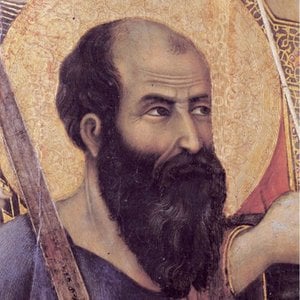
Giotto

Born in Vicchio Wikipedia in 31/32 languages

Giotto

Giotto moved away from the rigid, flattened stylization that defined much of medieval art. His approach pointed toward the innovations of the Renaissance style, moving art toward a more naturalistic representation of the human experience. The way he used space and human emotion provided a blueprint for Masaccio and Michelangelo.

Where to see The Scrovegni Chapel holds the large fresco cycles that changed how stories were told on walls.

Pupil of Cimabue #18 · Teacher of Taddeo Gaddi #62, Pietro Lorenzetti #47

Key works · The 100 most famous works

6of 100

Titian

Italian Born in Pieve di Cadore Venetian Renaissance Wikipedia in 32/32 languages

Titian

As the years passed, the soft, ethereal qualities of his youth gave way to something much more muscular and dramatic. His subjects were as varied as the people who walked the streets of Venice. He became a favorite of powerful men, serving as a painter to Emperor Charles V, King Philip II of Spain, and Pope Paul III.

Pupil of Giovanni Bellini #20, Gentile Bellini #42

Key works · The 100 most famous works

7of 100

Sandro Botticelli

Italian Born in Florence Early Renaissance Wikipedia in 31/32 languages

Sandro Botticelli

His hand moved with a specific, rhythmic grace. He often began his compositions with a silverpoint drawing, a method that required a steady, controlled touch to lay down the initial underpainting. For nearly three centuries, his paintings sat in quiet corners, overshadowed by the heavy presence of High Renaissance figures.

Where to see Walking through the halls of the Galleria degli Uffizi in Florence, one finds his most famous subjects.

Pupil of Filippo Lippi #26, Andrea del Verrocchio #39 · Teacher of Filippino Lippi #33

Key works · The 100 most famous works

8of 100

Masaccio

Italian Born in San Giovanni Valdarno Early Renaissance Wikipedia in 31/32 languages

Masaccio

Anne (c. 1423-1425): A collaboration with Masolino, showcasing Masaccio’s emerging realism alongside Masolino's more traditional style. Brancacci Chapel Frescoes (c. 1425-1428): His most celebrated and influential works, located in the Church of Santa Maria del Carmine in Florence. Influence on Subsequent Artists: Masaccio’s work profoundly influenced generations of painters, including Donatello, Leonardo da Vinci, Michelangelo, and Raphael.

Key works · The 100 most famous works

9of 100

Hieronymus Bosch

Born in 's-Hertogenbosch Wikipedia in 32/32 languages

Hieronymus Bosch

Instead, his application of paint often leaves a rough surface, a tactile quality that lends weight to his strange subjects. Through the precise use of glazing—layering thin, translucent washes of color—he achieves a sense of luminous depth and intricate texture. Pieter Bruegel the Elder emerges as his most significant follower, adopting and expanding upon the complex compositional structures and moralizing themes that Bosch pioneered.

Where to see The weight of Bosch's legacy is concentrated heavily in Madrid.

Key works · The 100 most famous works

10of 100

Piero della Francesca

Italian Born in Sansepolcro Early Renaissance Wikipedia in 30/32 languages

Piero della Francesca

His early instruction likely came from local Sienese masters active in the town, providing a foundation of traditional technique before he moved toward the more radical shifts of the Renaissance. His formal training moved beyond local traditions through an apprenticeship with Antonio di Giovanni d'Anghiari. Giovanni Santi, who studied under Piero, became the father of Raphael, passing down a foundation of perspective and composition that would define the next generation of Italian art.

Where to see The National Gallery in London provides a direct look at The Baptism of Christ, a work that demonstrates his command over light and spatial division.

Pupil of Domenico Veneziano #60 · Teacher of Luca Signorelli #69

Key works · The 100 most famous works

11of 100

Pieter Brueghel the Elder

Flemish Born in Breda Northern Renaissance Wikipedia in 32/32 languages

Pieter Brueghel the Elder

Though the exact details of his childhood remain somewhat elusive, he was born in or near Breda, within the Duchy of Brabant. Between 1551 and 1552, he was admitted as a free master into the Guild of Saint Luke in Antwerp. By 1552, he had reached Rome and even traveled as far south as Reggio Calabria.

Where to see In Vienna, the Kunsthistorisches Museum holds a vast assembly of his creations, preserving many of the scenes that once filled the halls of the powerful.

Key works · The 100 most famous works

12of 100

Fra Angelico

Italian Born in Vicchio Early Renaissance Wikipedia in 31/32 languages

Fra Angelico

These early habits of the brush reveal a hand accustomed to the meticulous precision of manuscript illumination. Every choice on the panel was tied to his life as a Dominican friar. In 1982, Pope John Paul II beatified him, acknowledging the holiness of his life.

Pupil of Lorenzo Monaco #75 · Teacher of Benozzo Gozzoli #45

Key works · The 100 most famous works

13of 100

Andrea Mantegna

Italian Born in Isola Mantegna Early Renaissance Wikipedia in 30/32 languages

Andrea Mantegna

Born near Padua around 1431, Andrea Mantegna entered the world of art through a complex and somewhat contentious apprenticeship. By the age of ten or eleven, he had been adopted by Francesco Squarcione, a local painter and collector of antiquities. Within Italy, his stylistic innovations traveled through his family connections, notably affecting his brother-in-law Giovanni Bellini.

Where to see The physical presence of Mantegna’s vision remains scattered across the major cultural centers of Europe and the Americas.

Key works · The 100 most famous works

14of 100

Giorgione

Italian Born in Castelfranco Veneto Venetian School Wikipedia in 31/32 languages

Giorgione

He likely apprenticed under Giovanni Bellini, the dominant figure of the era. Records identify him as a colleague of the master Vincenzo Catena. Palma Vecchio and Giovanni Cariani both utilized the tonal depth and light-driven compositions that Giorgione pioneered.

Where to see His presence is felt most strongly in Vienna, where the Kunsthistorisches Museum houses several significant pieces, including the Portrait of Francesco Maria della Rovere.

Pupil of Giovanni Bellini #20

Key works · The 100 most famous works

15of 100

Paolo Uccello

Italian Born in Pratovecchio Wikipedia in 31/32 languages

Paolo Uccello

Uccello was as much a mathematician as he was a painter. He did not follow a standard school of thought; instead, he forged a path that blended the decorative elegance of the late Gothic style with a modern, almost clinical, interest in geometry. His experiments with the illusion of depth and the mechanics of sight offered a new vocabulary to luminaries such as Piero della Francesca, Leonardo da Vinci, and Albrecht Dürer.

Where to see In Florence, his presence remains deeply integrated into the city's architecture.

Key works · The 100 most famous works

16of 100

Hans Holbein the Younger

German Born in Augsburg Northern Renaissance Wikipedia in 29/32 languages

Hans Holbein the Younger

Holbein’s work operates through a Northern Renaissance style that prioritizes a hyper-realistic clarity. He did not rely on vague impressions; instead, he used oil paint to achieve vivid colors and a level of precise detail that makes the subjects feel immediate. Through his brush, we see the faces and the intellectual weight of the humanists who shaped European thought, such as Desiderius Erasmus and Thomas More.

Where to see The National Gallery in London maintains a significant presence of his output, providing a direct link to the Tudor era through several of his portraits.

Key works · The 100 most famous works

17of 100

Duccio di Buoninsegna

Italian Born in Siena Sienese School, Trecento Gothic Wikipedia in 31/32 languages

Duccio di Buoninsegna

Duccio’s hand worked primarily in egg tempera on wood panels, a medium that required both patience and precision. His work reflects a delicate balance between the celestial splendor of the East and a growing interest in the tangible, human presence. The stylistic footprint left by Duccio di Buoninsegna helped define the visual language of the Trecento Gothic style and established the foundations of the Sienese school.

Where to see The physical remnants of Duccio's career are scattered across several major institutions, offering a way to encounter his specific approach to light and form.

Pupil of Cimabue #18

Key works · The 100 most famous works

18of 100

Cimabue

Born in Florence Wikipedia in 28/32 languages

Cimabue

He was a child of the Florentine streets, growing up in a landscape where the heavy, golden formality of the East met a new, restless desire for something more human.

Where to see To follow the path of his brush is to travel across the great cities of Europe and beyond.

Teacher of Giotto #5

Key works · The 100 most famous works

19of 100

Paolo Veronese

Italian Born in Verona Mannerism, Naturalism, Venetian school Wikipedia in 31/32 languages

Paolo Veronese

He died in 1588, leaving behind a body of work that remains a vital link to the spirit of the Renaissance, a period that sought to find the divine within the beauty of the earthly realm.

Key works · The 100 most famous works

20of 100

Giovanni Bellini

Italian Born in Venice Venetian Renaissance Wikipedia in 30/32 languages

Giovanni Bellini

In his youth, his brush followed the strict, linear precision of the International Gothic style, where every edge was clearly defined and every form was contained by a sharp outline. This mastery of the medium changed the very nature of Venetian painting, moving it toward a more sensuous and coloristic style.

Where to see To walk through the halls of the Gallerie dell'Accademia di Venezia is to encounter the very heart of his legacy, for this collection holds twenty-four of his works.

Pupil of Jacopo Bellini #55 · Teacher of Giorgione #14, Titian #6

Key works · The 100 most famous works

21of 100

Domenico Ghirlandaio

Italian Born in Florence Early Renaissance Wikipedia in 31/32 languages

Domenico Ghirlandaio

While perhaps less celebrated than some of his contemporaries like Leonardo da Vinci or Raphael, Ghirlandaio’s work offers a unique window into the world of Renaissance Florence – a world where faith, commerce, and artistic innovation converged to create an era of unparalleled cultural achievement.

Pupil of Andrea del Verrocchio #39 · Teacher of Michelangelo #2

Key works · The 100 most famous works

22of 100

Lucas Cranach the Elder

German Born in Kronach German Renaissance Wikipedia in 31/32 languages

Lucas Cranach the Elder

Collaborative Workshop Production: A method that ensured his stylistic hallmarks were perpetuated by his successors.

Teacher of Lucas Cranach the Younger #72

Key works · The 100 most famous works

23of 100

Pietro Perugino

Italian Born in Città della Pieve Renaissance Wikipedia in 30/32 languages

Pietro Perugino

Pietro Vannucci, commonly known as Le Perugino—a name derived from his birthplace—was a pivotal figure in the Florentine Renaissance, cementing his reputation as one of Italy’s most celebrated painters. Arrival in Florence: Around 1470, Vannucci relocated to Florence under the patronage of Lorenzo de’ Medici, securing commissions that propelled him to international acclaim. "The Virgin and Child Surrounded by Two Angels": Considered one of Le Perugino’s finest achievements, this masterpiece exemplifies his mastery of color and composition, capturing the tenderness of Mary and Jesus with breathtaking sensitivity.

Pupil of Andrea del Verrocchio #39 · Teacher of Raphael #4

Key works · The 100 most famous works

24of 100

Vittore Carpaccio

Italian Born in Venice Venetian Renaissance Wikipedia in 26/32 languages

Vittore Carpaccio

Born in Venice around 1465, Vittore Carpaccio grew up in a city defined by its maritime trade and its unique light. The training Carpaccio received under Bellini allowed him to develop a steady hand and an eye for the specific details of Venetian life. While many of his contemporaries embraced the sweeping humanist trends that redefined Italian Renaissance art, he often looked in a different direction.

Key works · The 100 most famous works

25of 100

Sofonisba Anguissola

Italian Born in Cremona Renaissance, Mannerism Wikipedia in 29/32 languages

Sofonisba Anguissola

These weren't merely exercises in likeness; they were insightful explorations of personality and familial relationships. Her style initially drew from Lombard Mannerism, but evolved during her time in Spain into a more refined approach suited to the demands of court portraiture. Key influences on Anguissola included the Lombard school of painting, particularly the work of Bernardino Campi and Bernardino Gatti, but she ultimately forged her own unique style characterized by realism, intimacy, and psychological insight.

Key works · The 100 most famous works

26of 100

Filippo Lippi

Italian Born in Florence Early Renaissance Wikipedia in 30/32 languages

Filippo Lippi

Lippi’s entry into the Carmelite order in 1420 wasn't merely a matter of circumstance, but seemingly ignited within him a fervent artistic drive. He took his vows at sixteen and was ordained as a priest around 1425, remaining at the priory until 1432. Despite the turbulence of his life, Filippo Lippi left an indelible mark on Renaissance art.

Pupil of Masolino da Panicale #51, Masaccio #8 · Teacher of Sandro Botticelli #7, Filippino Lippi #33

Key works · The 100 most famous works

27of 100

Antonio da Correggio

Italian Born in Correggio High Renaissance Wikipedia in 29/32 languages

Antonio da Correggio

Beyond color and light, Correggio’s mastery of perspective was revolutionary. His use of di sotto in su, or “from below,” foreshortening—a technique that presents objects as if viewed from directly beneath—further enhanced this illusionistic effect, anticipating the theatricality of Baroque ceiling paintings. Details surrounding Correggio’s early life remain somewhat elusive; however, it is believed he received initial training from his uncle, Lorenzo Allegri, a local painter, before venturing to Modena and then Mantua in pursuit of artistic refinement.

Key works · The 100 most famous works

28of 100

Matthias Grünewald

German Born in Würzburg German Renaissance, Late Gothic Wikipedia in 29/32 languages

Matthias Grünewald

The year 1515 marks a peak of expressive power. In the hospital chapel of the Monastery of St Anthony in Isenheim, Alsace, a massive polyptych is being realized.

Key works · The 100 most famous works

29of 100

Pieter Brueghel The Younger

Flemish Born in Brussels Dutch Golden Age Wikipedia in 27/32 languages

Pieter Brueghel The Younger

He acted as a vital bridge between the late Renaissance and the burgeoning Flemish Baroque, maintaining the integrity of his father's humanist traditions while adapting to the commercial demands of a growing export market. His early years were shaped by a household steeped in creativity, nurtured by his mother, Mayken Coceke van Aelst —an accomplished miniature painter—and guided by the foundational artistic wisdom of his grandmother, Mayken Verhulst.

Key works · The 100 most famous works

30of 100

Andrea del Sarto

Italian Born in Florence High Renaissance and Mannerism Wikipedia in 28/32 languages

Andrea del Sarto

His hand moved with a specific kind of precision, whether working in fresco, oil, or chalk. Madonna and Child with St Elisabeth, the Infant St John, and Two Angels, 1515. While his name was often overshadowed by the massive presence of Leonardo da Vinci, Michelangelo, and Raphael, his influence remained deeply felt.

Where to see To see his hand in person, one often begins in Florence.

Pupil of Piero di Cosimo #49

Key works · The 100 most famous works

31of 100

Albrecht Altdorfer

German Born in Regensburg Danube School, Renaissance Wikipedia in 28/32 languages

Albrecht Altdorfer

A transformative journey down the Danube River and into the Alps around 1511 proved crucial to his artistic development. His work, like “ The Large Spruce,” exemplifies this shift, offering a serene and intricate depiction of nature's beauty. Among his most celebrated achievements is The Battle of Alexander at Issus (1529), commissioned by Duke William IV of Bavaria.

Key works · The 100 most famous works

32of 100

Antonello Di Giovanni Di Antonio (Antonello Da Messina)

Italian Born in Messina Early Renaissance, Flemish influence

Antonello Di Giovanni Di Antonio (Antonello Da Messina)

Antonello di Giovanni di Antonio, more commonly known as Antonello da Messina (c. 1430 – February 1479), stands as a pivotal figure in the transition from Early Renaissance to High Renaissance art. Regardless, Antonello’s pioneering use of oil paint and his innovative techniques undoubtedly influenced a generation of Venetian painters, including Giorgione and Titian.

Key works · The 100 most famous works

33of 100

Filippino Lippi

Italian Born in Prato High Renaissance Wikipedia in 26/32 languages

Filippino Lippi

Evolution (1480-1485): Development of a more personal and effective approach in works like the Journeys of Tobias. Maturity (1485-1504): Mastery of the High Renaissance style, exemplified by The Apparition of Christ to the Virgin. Style Characteristics: Animated form and line, warm colorism, detailed landscapes, expressive figures, and a blend of perspective geometry with intimate interiors.

Pupil of Filippo Lippi #26, Sandro Botticelli #7

Key works · The 100 most famous works

35of 100

Ambrogio Lorenzetti

Italian Born in Siena Sienese School Wikipedia in 29/32 languages

Ambrogio Lorenzetti

Though overshadowed for periods by contemporaries like Duccio and Simone Martini, and often discussed alongside his brother, the painter Pietro Lorenzetti, Ambrogio carved out a unique path, one marked by an innovative spirit and a profound engagement with the world around him. His frescoes in the Palazzo Pubblico stand as masterpieces of early Renaissance secular painting, reflecting a growing emphasis on civic life and the responsibilities of leadership.

Pupil of Duccio di Buoninsegna #17

Key works · The 100 most famous works

36of 100

Hugo van der Goes

Flemish Born in Ghent Early Netherlandish painting Wikipedia in 25/32 languages

Hugo van der Goes

Van der Goes’s artistic signature lies in his ability to infuse religious scenes with a startling sense of immediacy and emotional weight. His use of color was deliberate and often somber, creating a sense of gravity and spiritual intensity. Perhaps Van der Goes’s most celebrated work is the Portinari Altarpiece, commissioned by Tommaso Portinari, an Italian banker residing in Bruges.

Key works · The 100 most famous works

37of 100

Quinten Metsys

Flemish Born in Leuven Antwerp School Wikipedia in 23/32 languages

Quinten Metsys

His influence can be traced through the evolution of Northern European art, as he paved the way for a more expressive, observational style that embraced the complexities of the modernizing world. His legacy is preserved in the enduring power of his imagery: Technical Innovation: The seamless integration of metalworking-inspired precision with the fluid grace of Renaissance oil painting. The historical significance of Quentin Massys cannot be overstated; he was the catalyst for an artistic revolution in Antwerp.

Pupil of Dieric Bouts #67

Key works · The 100 most famous works

38of 100

Donatello

Italian Born in Florence Early Renaissance Wikipedia in 31/32 languages

Donatello

His connection to the Florentine landscape was deep, as the city's evolving values shaped his early approach to form and figure. Before finding his own voice, he learned the International Gothic style from Lorenzo Ghiberti. His influence reached far beyond the borders of Florence, spreading to other Italian courts and affecting artists across Europe.

Pupil of Bicci di Lorenzo #94

Key works · The 100 most famous works

39of 100

Andrea del Verrocchio

Italian Born in Florence Early Renaissance Wikipedia in 31/32 languages

Andrea del Verrocchio

Other paintings attributed primarily to Verrocchio, such as The Virgin and Child with Two Angels, demonstrate his ability to create serene and emotionally resonant religious scenes.

Pupil of Donatello #38 · Teacher of Leonardo da Vinci #1, Lorenzo Di Credi #80, Pietro Perugino #23, Domenico Ghirlandaio #21, Sandro Botticelli #7

Key works · The 100 most famous works

40of 100

Lorenzo Lotto

Italian Born in Venice Renaissance, Mannerism Wikipedia in 29/32 languages

Lorenzo Lotto

However, a sojourn in Rome brought him into contact with the art of Raphael, imbuing his work with a newfound clarity of form and compositional balance. Susanna and the Elders, painted during his Bergamo period, exemplifies this maturity—a captivating narrative rendered with luminous colors and a keen psychological insight into the characters’ emotions.

Pupil of Giovanni Bellini #20

Key works · The 100 most famous works

41of 100

Luca della Robbia

Italian Born in Florence Renaissance Sculpture Wikipedia in 24/32 languages

Luca della Robbia

The true genius of Luca della Robbia lay in his ability to innovate within a medium that was previously considered secondary to stone. By developing a specialized tin-glaze, he achieved a brilliant, weather-resistant finish that allowed for a striking palette of whites and blues. In the heart of the Florentine Renaissance, a period defined by the rebirth of classical ideals and the pursuit of anatomical perfection, Luca della Robbia emerged as a visionary who transformed the very medium of sculpture.

Key works · The 100 most famous works

42of 100

Gentile Bellini

Italian Born in Venice Renaissance Wikipedia in 29/32 languages

Gentile Bellini

However, his artistic horizons expanded dramatically following an extraordinary journey to Constantinople in 1479. His portrait of Mehmed II, now residing in the National Gallery, London, is a striking example of this influence – a compelling depiction of power and personality informed by firsthand observation. Invited by Sultan Mehmed II himself, Bellini spent time at the Ottoman court, an experience that proved pivotal in shaping his later creations.

Pupil of Jacopo Bellini #55 · Teacher of Titian #6

Key works · The 100 most famous works

43of 100

Antonio del Pollaiuolo

Italian Born in Florence Renaissance Wikipedia in 23/32 languages

Antonio del Pollaiuolo

Antonio del Pollaiuolo’s artistic output spanned diverse media, each showcasing his unique vision. The addition of the infant Romulus and Remus to an existing bronze she-wolf sculpture stands as a testament to his skill in metalwork, demonstrating both technical prowess and artistic sensitivity. In 1484, Pollaiuolo accepted a prestigious commission that led him to Rome, where he embarked on the monumental task of creating the tomb of Pope Sixtus IV – a project completed in 1493.

Pupil of Andrea del Castagno #85

Key works · The 100 most famous works

44of 100

Hans Baldung Grien

German Born in Schwäbisch Gmünd Renaissance, Mannerism Wikipedia in 25/32 languages

Hans Baldung Grien

The two artists developed a close relationship; Baldung even managed Dürer's workshop during his master’s sojourn to Venice. However, while deeply influenced by Dürer —evident in early works showcasing precise draftsmanship and Northern realism —Baldung quickly began to forge his own artistic identity. Born around 1485 in the Free Imperial City of Schwäbisch Gmünd, nestled within the rolling hills of Bavaria, Hans Baldung—forever distinguished as Hans Baldung Grien due to his penchant for wearing green attire—emerged from an unexpectedly scholarly lineage.

Pupil of Albrecht Dürer #3

Key works · The 100 most famous works

45of 100

Benozzo Gozzoli

Italian Born in Florence International Gothic, Early Renaissance Wikipedia in 25/32 languages

Benozzo Gozzoli

There, under the watchful eye of Pope Eugene IV, he worked within the Vatican Palace. St Anthony of Padua - Santa Maria in Aracoeli, Rome.

Where to see There, within the Palazzo Medici-Riccardi, the walls of the Magi Chapel hold the details of the procession of the Magi.

Pupil of Fra Angelico #12 · Teacher of Lorenzo Costa #86

Key works · The 100 most famous works

46of 100

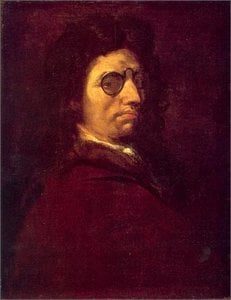
Luca Giordano

Italian Born in Naples Late Baroque Wikipedia in 23/32 languages

Luca Giordano

This transition introduces a new sense of light and glowing colour into his compositions. He replaces deep, murky tones with a luminosity that defines his mature period. He acted as a bridge between the heavy, dramatic High Baroque and the lighter, more playful Rococo period.

Where to see The physical presence of Giordano’s output remains scattered across the major repositories of Europe.

Key works · The 100 most famous works

47of 100

Pietro Lorenzetti

Italian Born in Siena Early Renaissance Wikipedia in 27/32 languages

Pietro Lorenzetti

While biographical details remain as elusive as the shadows in a twilight fresco —a common predicament for artists of his era—scholarly consensus points to formative influences from Duccio di Buoninsegna, Siena's celebrated maestro, and Simone Martini. Unlike the flatter, more decorative traditions of the high Middle Ages, Lorenzetti sought to pull the viewer into the sacred narrative. Sienese Excellence: The refinement of the Sienese school's characteristic use of color and light, blending it with structural weight.

Pupil of Giotto #5

Key works · The 100 most famous works

48of 100

Jan Gossaert

Flemish Born in Maubeuge Romanist Painting Wikipedia in 23/32 languages

Jan Gossaert

In the shifting landscape of the early sixteenth century, few artists bridged the gap between the meticulous traditions of the North and the burgeoning humanism of the South as masterfully as Jan Gossaert.

Key works · The 100 most famous works

49of 100

Piero di Cosimo

Italian Born in Florence Florentine Renaissance Wikipedia in 27/32 languages

Piero di Cosimo

Piero di Cosimo, born Piero di Lorenzo Battista around 1462 in Florence, Italy, stands as a singular figure within the vibrant tapestry of the Florentine Renaissance. Influences & Artistic Style: Cosimo’s style was profoundly impacted by Botticelli and Giovanni Battista Van Eyck—artists who championed both beauty and psychological depth. He is remembered not only for his individual masterpieces but also for shaping the broader trajectory of European art.

Pupil of Cosimo Rosselli #73 · Teacher of Andrea del Sarto #30, Fra Bartolomeo #77

Key works · The 100 most famous works

50of 100

Sebastiano del Piombo

Italian Born in Venice High Renaissance, Mannerism Wikipedia in 23/32 languages

Sebastiano del Piombo

This move placed him directly into the orbit of Raphael, whose workshop was at its zenith, and soon after, into the complex world surrounding Michelangelo. The two masters recognized a kindred spirit in each other’s pursuit of grandeur and anatomical precision; Michelangelo actively championed Sebastiano's work, urging him to compete with Raphael for prestigious commissions. The latter part of Sebastiano's life took an unexpected turn in 1531 when he was appointed piombatore, Keeper of the Seals for the Papacy.

Key works · The 100 most famous works

51of 100

Masolino da Panicale

Italian Born in Panicale Early Renaissance Wikipedia in 23/32 languages

Masolino da Panicale

Technical Pioneering: His early and influential experimentation with oil mediums to achieve greater luminosity. Collaborative Brilliance: The creation of a transformative artistic dialogue through his work alongside Masaccio in the Brancacci Chapel. As we look back upon his life and achievements, several key elements define his place in the pantheon of great masters: The Synthesis of Styles: His unique ability to blend Gothic decorative beauty with Renaissance structural innovation.

Key works · The 100 most famous works

53of 100

Gerard David

Netherlandish Born in Oudewater Early Netherlandish painting Wikipedia in 22/32 languages

Gerard David

It is believed he spent time in Haarlem absorbing these lessons before relocating to Bruges, a vibrant hub of artistic exchange attracting talent from across Europe. Here, David encountered the masterpieces of Jan van Eyck, Rogier van der Weyden, and Hans Memling, absorbing their techniques while forging his own distinct path.

Key works · The 100 most famous works

54of 100

Nicholas Hilliard

English Born in Exeter Elizabethan miniaturist Wikipedia in 19/32 languages

Nicholas Hilliard

A pivotal moment came with the creation of a “booke of portraitures” for Robert Dudley, Earl of Leicester, in 1571, which likely paved the way for his court appointment. Despite facing ongoing financial difficulties throughout his career, Hilliard continued to work until his death before January 7, 1619.

Key works · The 100 most famous works

55of 100

Jacopo Bellini

Italian Born in Venice Renaissance Wikipedia in 27/32 languages

Jacopo Bellini

Though much of his output remains captured in the intimate medium of ink and pen, those sketches serve as a blueprint for the Venetian Renaissance.

Teacher of Giovanni Bellini #20, Gentile Bellini #42

Key works · The 100 most famous works

56of 100

Il Sodoma

Italian Born in Vercelli High Renaissance & Mannerism Wikipedia in 25/32 languages

Il Sodoma

He did not merely follow the trends of his era; he helped shape the transition from the harmonious stability of the High Renaissance to the more experimental, distorted, and expressive language of Mannerism.

Key works · The 100 most famous works

57of 100

Cosimo Tura

Italian Born in Ferrara Early Renaissance Wikipedia in 24/32 languages

Cosimo Tura

Born around 1430 in the vibrant ducal city of Ferrara, Italy, Cosmè Tura emerged from humble beginnings – his father was a shoemaker named Domenico – to become one of the most distinctive and influential painters of the Early Renaissance. He influenced artists such as Giovanni Andrea Ghirardoni, who continued to develop the Ferrarese style after Tura’s death in 1495.

Key works · The 100 most famous works

58of 100

Orazio Gentileschi

Italian Born in Pisa Baroque, Caravaggism Wikipedia in 22/32 languages

Orazio Gentileschi

The revolutionary naturalism of Caravaggio burst onto the Roman art scene, challenging established conventions with its dramatic use of light and shadow – tenebrism – and unflinching realism. While retaining the dramatic intensity, Gentileschi softened the harshness of Caravaggio’s tenebrism, introducing a lighter palette and a more refined approach to detail.

Key works · The 100 most famous works

59of 100

François Clouet

French Born in Tours Renaissance portraiture Wikipedia in 21/32 languages

François Clouet

A pivotal moment arrived in 1541 when François inherited his father's estate, formally stepping into his artistic inheritance and assuming the responsibilities that came with it. Yet, François carved his own distinct path, blending Flemish naturalism with an emerging Italianate grace, and establishing himself as one of France’s most celebrated portraitists.

Key works · The 100 most famous works

60of 100

Domenico Veneziano

Italian Born in Venice Early Renaissance Wikipedia in 21/32 languages

Domenico Veneziano

Domenico Veneziano, a name that resonates with the soft glow of the Early Renaissance, remains one of the most captivating enigmas of the fifteenth century. His apprenticeship under the renowned Gentile da Fabriano in Florence during the early 1420s allowed him to absorb the intricate detail and rhythmic grace characteristic of the late Gothic tradition. The influence of Domenico Veneziano extended far beyond his own lifetime, leaving an indelible mark on the trajectory of Italian art.

Pupil of Masolino da Panicale #51, Masaccio #8, Donatello #38 · Teacher of Piero della Francesca #10

Key works · The 100 most famous works

61of 100

Michael Pacher

Tyrolean Born in Pfalzen Renaissance & Gothic Wikipedia in 18/32 languages

Michael Pacher

Here, he masterfully blurred the boundaries between painting and sculpture, creating a unified artistic experience. The monumental figures of the Church Fathers seem to emerge from their niches, imbued with a palpable sense of presence. By 1467, Pacher had established a thriving workshop in Bruneck, becoming a prominent figure in the Tyrolean art scene.

Key works · The 100 most famous works

62of 100

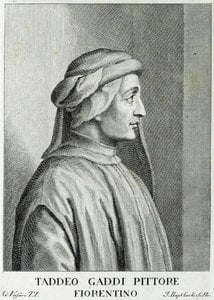
Taddeo Gaddi

Italian Born in Florence Early Renaissance Wikipedia in 23/32 languages

Taddeo Gaddi

As one of the most distinguished pupils of the legendary Giotto di Bondone, Gaddi did not merely inherit a style; he expanded the visual vocabulary of his era.

Pupil of Giotto #5 · Teacher of Agnolo Gaddi #82

Key works · The 100 most famous works

63of 100

Konrad Witz

German Born in Rottweil Late Gothic Realism Wikipedia in 18/32 languages

Konrad Witz

Technical Mastery: The seamless blending of late Gothic decorative elegance with early Renaissance naturalism and light manipulation. Though his life was relatively short, ending around 1446, the impact of Konrad Witz remains etched in the foundations of Western painting. Born around 1400 in the German region of Rottenburg am Neckar, Witz emerged as a visionary whose brushwork began to peel away the stylized abstractions of the Middle Ages to reveal the breathing, textured world beneath.

Key works · The 100 most famous works

64of 100

Palma Vecchio

Italian Born in Serina High Renaissance Wikipedia in 22/32 languages

Palma Vecchio

The initial stages of Palma’s career reveal a clear debt to Giovanni Bellini's refined technique and devotional style. He swiftly embraced Giorgione’s use of color, light, and composition, infusing his own paintings with a similar sense of lyrical beauty.

Key works · The 100 most famous works

65of 100

Francesco del Cossa

Italian Born in Ferrara Italian Renaissance Wikipedia in 17/32 languages

Francesco del Cossa

Specific frescoes attributed to del Cossa include the "Allegory of May – Triumph of Apollo," notable for its striking depiction of a multitude of naked toddlers arranged in a visually arresting formation, and the “ Allegory of April,” which features an early representation of the Three Graces, predating Botticelli’s famous version. His brief but impactful period in Bologna under the patronage of the Bentivoglio family further refined his style, leading to some of his most celebrated portraits.

Key works · The 100 most famous works

66of 100

Jean Fouquet

French Born in Tours Early Renaissance Wikipedia in 24/32 languages

Jean Fouquet

Jean Fouquet's historical significance lies in his ability to synthesize disparate artistic influences into a cohesive and uniquely French style. He laid the groundwork for subsequent generations of artists, establishing a new aesthetic that blended Gothic refinement with Renaissance naturalism.

Key works · The 100 most famous works

67of 100

Dieric Bouts

Dutch Born in Haarlem Early Netherlandish Wikipedia in 22/32 languages

Dieric Bouts

This work shows Christ performing the consecration of the Eucharistic host, with four servants dressed in Flemish attire. His other known works include the Justice Panels, which depict the life of the Holy Roman Emperor Otto III, and various devotional panels, such as the Virgin and Child.

Teacher of Quinten Metsys #37

Key works · The 100 most famous works

68of 100

Bartholomeus Spranger

Flemish Born in Antwerp Northern Mannerism Wikipedia in 18/32 languages

Bartholomeus Spranger

His paintings are distinguished by their smooth modeling, meticulous detail, and a subtle use of color. He skillfully blended Netherlandish realism with Italian mannerist influences, particularly the Roman tradition of depicting classical mythology. Crucially, his travels extended into Italy, where he spent eight months in Milan and three months in Parma, assisting Bernardino Gatti on the ambitious fresco project for the dome of Santa Maria della Steccata.

Key works · The 100 most famous works

69of 100

Luca Signorelli

Italian Born in Cortona Italian Renaissance Wikipedia in 27/32 languages

Luca Signorelli

In 1472, he is working in Arezzo, followed by a period in Città di Castello in 1474. His ability to render the human body in motion helped bridge the gap between the early Renaissance and the more complex compositions of the High Renaissance.

Pupil of Piero della Francesca #10, Andrea del Verrocchio #39

Key works · The 100 most famous works

70of 100

Sassetta

Italian Born in Siena Late Gothic, Sienese School Wikipedia in 17/32 languages

Sassetta

Through his delicate handling of light, his mastery of symbolic iconography, and his profound empathy for his subjects, Sassetta left an indelible mark on the history of Italian art, securing his place as one of the most important representatives of the Sienese Renaissance.

Key works · The 100 most famous works

71of 100

Giovanni Battista Cima Da Conegliano

Italian Born in Conegliano Venetian Renaissance Art Wikipedia in 19/32 languages

Giovanni Battista Cima Da Conegliano

He achieved this profound serenity through meticulous compositional planning, employing a technique known as “disposizione,” which prioritized balanced groupings of figures and harmonious spatial arrangements. Unlike many artists of his time who sought dramatic visual impact, Cima favored subtle nuances of color and light—creating canvases that radiate an aura of contemplative peace. Cima’s artistic output comprises a considerable number of Madonna and Child paintings, many adorned with saints—most notably “ Madonna and Child with Saints Francis and Clare ” (National Gallery London) and “ Sacra Conversazione or Rest on the Flight into Egypt,” currently housed in Venice's Santa Maria dei Carmini church.

Key works · The 100 most famous works

72of 100

Lucas Cranach the Younger

German Born in Lutherstadt Wittenberg Renaissance painting Wikipedia in 25/32 languages

Lucas Cranach the Younger

In the heart of the German Renaissance, a period defined by profound theological shifts and intellectual rebirth, Lucas Cranach the Younger emerged as a master of visual storytelling. As the son of the legendary Lucas Cranach the Elder, the younger Cranach stepped into a world where art and ideology were inextricably linked.

Pupil of Lucas Cranach the Elder #22

Key works · The 100 most famous works

73of 100

Cosimo Rosselli

Italian Born in Florence Early Renaissance Wikipedia in 24/32 languages

Cosimo Rosselli

He retained the linear precision and vibrant colors he had learned from Ghirlandaio but began to incorporate elements of Perugino’s more graceful and harmonious aesthetic. Notable works from this time include frescoes for the Santissima Annunziata church—a significant commission that allowed him to showcase his evolving style on a grand scale—and numerous altarpieces adorning chapels throughout Florence. His participation in the Sistine Chapel frescoes helped solidify Florence’s position as a leading center of artistic innovation, and his own works demonstrate his ability to synthesize diverse influences into a distinctive and refined style.

Key works · The 100 most famous works

74of 100

Carlo Crivelli

Italian Born in Venice Late Gothic, Venetian Gothic Wikipedia in 23/32 languages

Carlo Crivelli

Crivelli’s work is defined by a technical virtuosity that sought to bridge the gap between the sacred and the tangible. This combination of the highly decorative and the intensely realistic created a visual language that was uniquely his own, characterized by: A strong linear decorative sense. Even as the Renaissance progressed toward different ideals of perspective and proportion, Crivelli remained committed to his meticulous, highly detailed vision, ensuring his place as one of the most distinctive voices of his era.

Key works · The 100 most famous works

75of 100

Lorenzo Monaco

Italian Born in Siena Gothic, Early Renaissance Wikipedia in 22/32 languages

Lorenzo Monaco

Lorenzo Monaco, born Piero di Giovanni around 1370 in Siena, occupies a fascinating and pivotal position in the transition from the Gothic grace of the Trecento to the burgeoning Renaissance ideals of the Quattrocento. Though biographical details remain scarce, his artistic journey reveals a compelling story of adaptation, innovation, and deeply felt spirituality. He was not a revolutionary in the same vein as Masaccio, but his contribution lies in his ability to synthesize existing traditions into a harmonious and deeply personal style.

Teacher of Fra Angelico #12

Key works · The 100 most famous works

76of 100

Donato Bramante

Italian Born in Fermignano High Renaissance Wikipedia in 30/32 languages

Donato Bramante

As Bramante’s influence expanded toward Rome, he became a central figure in the development of the High Renaissance style. His talent for orchestration is also evident in the Tempietto, a small, freestanding chapel that serves as a masterpiece of proportion and a symbolic tribute to the site of Saint Peter’s martyrdom. This is perhaps most brilliantly realized in his work at Santa Maria presso San Satiro, where he employed architectural magic to dissolve the boundaries between reality and art, creating illusions that transcended physical limitations.

Key works · The 100 most famous works

77of 100

Fra Bartolomeo

Italian Born in Prato High Renaissance Wikipedia in 27/32 languages

Fra Bartolomeo

Born Baccio della Porta on March 28, 1472, in the Tuscan town of Savignano di Prato, Fra Bartolomeo’s early life was steeped in the vibrant artistic atmosphere of Renaissance Italy. The nickname “Baccio della Porta” itself—meaning “Kiss of the Gate”—hints at a humble beginning, his family dwelling near the Gate of San Pier Gattolini. In 1504, at the behest of his superiors within the monastery, Fra Bartolomeo was asked to resume painting, becoming head of the San Marco workshop.

Pupil of Piero di Cosimo #49, Cosimo Rosselli #73

Key works · The 100 most famous works

78of 100

Jacopo Bassano

Venetian Born in Bassano del Grappa Venetian Renaissance Wikipedia in 24/32 languages

Jacopo Bassano

His early works, primarily religious scenes executed in the 1530s and 40s, demonstrate a clear debt to Titian’s influence. Paintings like “Sheep and Lamb” or “ The Return of the Prodigal Son ” exemplify this shift, demonstrating Bassano’s ability to capture the essence of human experience within a naturalistic setting. He skillfully absorbed elements from these diverse sources, synthesizing them into a uniquely personal style that is both innovative and deeply rooted in Venetian tradition.

Key works · The 100 most famous works

79of 100

Filippo Brunelleschi

Italian Born in Florence Early Renaissance

Filippo Brunelleschi

His most celebrated triumph is undoubtedly the dome of Florence Cathedral—a feat that had baffled architects for decades. The sheer scale and complexity of the project demanded innovative solutions, and Brunelleschi delivered them in abundance. Filippo Brunelleschi, born in Florence in 1377, stands as a monumental figure bridging the medieval world and the burgeoning Renaissance.

Key works · The 100 most famous works

80of 100

Lorenzo Di Credi

Italian Born in Florence Venetian School Wikipedia in 22/32 languages

Lorenzo Di Credi

His figures are rendered with an almost sculptural quality, possessing a dignified stillness that invites quiet contemplation. Crucially, Cima's landscapes are not mere decorative backgrounds; they play a vital role in establishing the mood and atmosphere of his paintings. The influence of Bartolomeo Montagna, another Venetian painter known for his realistic depictions of the countryside, is also evident in Cima's early works, particularly Madonna of the Arbour.

Pupil of Andrea del Verrocchio #39

Key works · The 100 most famous works

81of 100

Francesco di Giorgio

Italian Born in Siena Renaissance Wikipedia in 19/32 languages

Francesco di Giorgio

In the vibrant tapestry of the Italian Quattrocento, few figures loom as large or as multifaceted as Francesco di Giorgio Martini. Martini’s artistic journey began under the watchful eye of Vecchietta, a master of the Sienese School whose style favored rhythmic, frieze-like compositions. The Polymathic Ideal: Serving as a definitive model for the Renaissance creator, where art, science, and intellect are inseparable.

Key works · The 100 most famous works

82of 100

Agnolo Gaddi

Italian Born in Florence Gothic, Early Renaissance Wikipedia in 20/32 languages

Agnolo Gaddi

The monumental figures, the emotional resonance, and the narrative clarity that characterized Giotto’s frescoes are all present in Agnolo’s initial paintings. This isn’t to say he abandoned the naturalism pioneered by Giotto; rather, he layered it with a sophisticated aesthetic sensibility that reflected the evolving tastes of Florentine society. He wasn’t merely an artist; he was the inheritor of a powerful lineage, the son of Taddeo Gaddi, himself a devoted and gifted pupil of the revolutionary Giotto di Bondone.

Pupil of Taddeo Gaddi #62

Key works · The 100 most famous works

83of 100

Jean Clouet

French Born in Brussels Renaissance portraiture Wikipedia in 20/32 languages

Jean Clouet

Jean Clouet's mastery lay not in flamboyant displays of color or dramatic compositions but in a quiet, understated elegance. His technique involved a meticulous layering of strokes, building up form with incredible precision. The rediscovery of Clouet's extensive collection of drawings in the 19th century—many held within the collections of Musée Condé in Chantilly—sparked renewed interest in his work and cemented his place as a pivotal figure in art history.

Key works · The 100 most famous works

84of 100

Bernardino Luini

Italian Born in Dumenza Renaissance, Mannerism Wikipedia in 20/32 languages

Bernardino Luini

Early works like the Adoration of the Magi (c. 1505) in San Pietro, Luino, already hint at this emerging style, showcasing a delicate handling of light and shadow and a growing mastery of composition. The influence of Bernardino Zenale’s Cantù Polyptych is also visible in works like St. Salome with the Head of John the Baptist, for example, continues to captivate audiences with its dramatic intensity and masterful execution, while Holy Family with Saints Anne and John the Baptist exemplifies his serene and harmonious compositions.

Key works · The 100 most famous works

85of 100

Andrea del Castagno

Italian Born in San Godenzo Early Renaissance Wikipedia in 24/32 languages

Andrea del Castagno

However, it was the Last Supper fresco at Sant’Apollonia in Florence, completed around 1447, that cemented his reputation as a master. Cosme Tura, Francesco del Cossa, and Ercole de’ Roberti all demonstrate a clear debt to Castagno's innovations, carrying forward his legacy of naturalistic representation and psychological depth.

Key works · The 100 most famous works

86of 100

Lorenzo Costa

Italian Renaissance Born in Ferrara Ferrara & Bologna Schools Wikipedia in 22/32 languages

Lorenzo Costa

As the Renaissance progressed, Costa’s influence rippled through the artistic communities of Ferrara and Bologna, leaving an indelible mark on the development of the Italian school.

Pupil of Benozzo Gozzoli #45

Key works · The 100 most famous works

87of 100

Geertgen tot Sint Jans

Dutch Born in Leiden Early Netherlandish painting Wikipedia in 20/32 languages

Geertgen tot Sint Jans

Geertgen tot Sint Jans distinguished himself through several key artistic innovations. He possessed an exceptional sensitivity to landscape, integrating it seamlessly into the narrative structure of his paintings. The tumultuous history of Haarlem, particularly the siege of 1573 during the Eighty Years' War, resulted in the destruction of numerous artworks, including a significant portion of his production.

Key works · The 100 most famous works

88of 100

Frans Floris

Flemish Born in Antwerp Romanism Wikipedia in 19/32 languages

Frans Floris

Known to history as Frans Floris the Elder, this Flemish Renaissance pioneer acted as a vital bridge between the Northern traditions of his homeland and the monumental grandeur of the Italian High Renaissance.

Key works · The 100 most famous works

89of 100

Paris Bordone

Italian Born in Treviso Mannerist Wikipedia in 18/32 languages

Paris Bordone

He stands as a vital bridge between the balanced harmony of the early Renaissance and the more stylized, expressive complexities of the Mannerist period. Versatility of Theme: An unparalleled ability to move seamlessly between the serene beauty of the Madonna with Sleeping Child and the dramatic intensity of historical allegories. In the vibrant, sun-drenched landscape of the sixteenth-century Venetian Renaissance, few figures possess a spirit as fiercely independent as Paris Bordone.

Key works · The 100 most famous works

90of 100

Hans Holbein The Elder

Born in Augsburg Renaissance portraiture Wikipedia in 19/32 languages

Hans Holbein The Elder

In 1526, Holbein embarked on his first journey to England, a trip that would dramatically alter the course of his career. This connection led to commissions from other members of the English court, including Henry VIII and various nobles. While his son, Hans Holbein the Younger, achieved even greater fame, the elder Holbein’s contributions were foundational to the development of Northern Renaissance portraiture and graphic art.

Key works · The 100 most famous works

91of 100

Francesco Francia

Italian Born in Bologna Siena painting style Wikipedia in 19/32 languages

Francesco Francia

Rimini & Gonzaga Patronage: Francia’s artistic career gained considerable momentum through his association with Federico I Gonzaga, Duke of Rimini. Recognizing Francia's talent, Gonzaga commissioned numerous paintings for Rimini Cathedral and Palazzo Ducale, securing Francia’s reputation as a court artist and cementing Rimini’s position as an epicenter of Renaissance art.

Key works · The 100 most famous works

92of 100

Joachim Patinir

Flemish Born in Bouvignes-sur-Meuse Renaissance Landscape Wikipedia in 18/32 languages

Joachim Patinir

While concrete details about his training are scarce, scholars suggest a possible apprenticeship under Gerard David in Bruges. A journey to Genoa in 1511 alongside David and Adrien Ysenbrandt likely broadened his artistic horizons, exposing him to different visual traditions and further refining his observational skills.

Key works · The 100 most famous works

94of 100

Bicci di Lorenzo

Italian Born in Florence Early Renaissance Wikipedia in 8/32 languages

Bicci di Lorenzo

In 1401, Florence held a contest to select an artist to create new bronze doors for the city’s Baptistery – a commission considered the most prestigious in the region. Ghiberti’s workshop became a vibrant hub for emerging talent, nurturing future masters like Donatello, Masolino, and Paolo Uccello – a testament to his generosity and influence as a mentor. A period spent in Rimini, assisting Carlo I Malatesta with frescoes during the outbreak of plague in 1400, further honed his sensibilities and exposed him to diverse artistic currents.

Key works · The 100 most famous works

97of 100

Maerten De Vos

Born in Antwerp Wikipedia in 13/32 languages

Maerten De Vos

He employed a sophisticated technique involving layered glazes that created a luminous effect and enhanced the richness of his palette. His figures are typically elongated and graceful, reflecting the influence of Italian Mannerism, yet they retain a distinctly Northern sensibility in their realistic rendering and attention to individual character. His early work also shows the impact of Jan van Scorel, another artist who brought Italian influences to Northern Europe.

Key works · The 100 most famous works

98of 100

Jan van Scorel

Dutch Born in Schoorl Romanist, Renaissance Wikipedia in 20/32 languages

Jan van Scorel

key aspects of van scorel's style: blending of italian and dutch influences. use of romanist styles in netherlandish painting. collaborations with prominent artists of the time. van scorel's work is a testament to the cultural exchange and artistic innovation of the renaissance period. his legacy continues to inspire art enthusiasts and scholars alike.

Pupil of Jan Gossaert #48

Key works · The 100 most famous works

99of 100

Francesco Melzi

Italian Born in Milan High Renaissance Wikipedia in 15/32 languages

Francesco Melzi

While capable as a painter himself—examples like his Purported Self-Portrait and Seven Caricatures demonstrate a refined hand and an understanding of Renaissance aesthetics—Francesco Melzi’s artistic output remains relatively limited when compared to the monumental achievements of Leonardo. Following Leonardo's death, Francesco diligently worked to complete unfinished paintings and plans left behind, ensuring their realization even after the artist’s passing.

Pupil of Leonardo da Vinci #1

Key works · The 100 most famous works

100of 100

Hans Burgkmair the Elder

German Born in Augsburg Italian Renaissance Wikipedia in 20/32 languages

Hans Burgkmair the Elder

Burgkmair’s artistic style is a fascinating blend of Northern European tradition and Italian Renaissance ideals. The influence of Giorgione, a Venetian painter known for his atmospheric landscapes and poetic compositions, is particularly evident in Burgkmair’s work.

Key works · The 100 most famous works

The paintings behind the names

Famous Renaissance works and the artists who made them

  1. Mona Lisa (La Gioconda) by Leonardo da Vinci

    Mona Lisa (La Gioconda)

    Leonardo da Vinci

    1519 · The Louvre, Paris

  2. Pietà by Michelangelo

    Pietà

    Michelangelo

    1499 · St. Peter's Basilica, Vatican City

  3. The Four Horsemen of the Apocalypse by Albrecht Dürer

    The Four Horsemen of the Apocalypse

    Albrecht Dürer

  4. School of Athens by Raphael

    School of Athens

    Raphael

    1511 · Apostolic Palace, Vatican City

  5. Madonna in Maest (Ognissanti Madonna) by Giotto

    Madonna in Maest (Ognissanti Madonna)

    Giotto

    1310

  6. The Venus of Urbino by Titian

    The Venus of Urbino

    Titian

    1538 · Galleria degli Uffizi, Florence

  7. The Birth Of Venus by Sandro Botticelli

    The Birth Of Venus

    Sandro Botticelli

    1485 · Galleria degli Uffizi, Florence

Through time

A Renaissance timeline in masterpieces

  1. 1285
  2. 1310
  3. 1409
  4. 1437
  5. 1456
  6. 1472
  7. 1480
  8. 1485
  9. 1500
  10. 1505
  11. 1509
  12. 1511
  13. 1519
  14. 1529

In figures

By the numbers

All of them, in order

List of the 100 famous Renaissance painters

  1. 1Leonardo da VinciLeonardo da VinciItalian · 1452–1519
  2. 2MichelangeloMichelangeloItalian · 1475–1564
  3. 3Albrecht DürerAlbrecht DürerGerman · 1471–1528
  4. 4RaphaelRaphaelItalian · 1483–1520
  5. 5GiottoGiotto1267–1337
  6. 6TitianTitianItalian · 1490–1576
  7. 7Sandro BotticelliSandro BotticelliItalian · 1445–1510
  8. 8MasaccioMasaccioItalian · 1401–1428
  9. 9Hieronymus BoschHieronymus Bosch1450–1516
  10. 10Piero della FrancescaPiero della FrancescaItalian · 1415–1492
  11. 11Pieter Brueghel the ElderPieter Brueghel the ElderFlemish · 1525–1569
  12. 12Fra AngelicoFra AngelicoItalian · 1395–1455
  13. 13Andrea MantegnaAndrea MantegnaItalian · 1431–1506
  14. 14GiorgioneGiorgioneItalian · 1478–1510
  15. 15Paolo UccelloPaolo UccelloItalian · 1397–1475
  16. 16Hans Holbein the YoungerHans Holbein the YoungerGerman · 1497–1543
  17. 17Duccio di BuoninsegnaDuccio di BuoninsegnaItalian · 1255–1319
  18. 18CimabueCimabue1240–1302
  19. 19Paolo VeronesePaolo VeroneseItalian · 1528–1588
  20. 20Giovanni BelliniGiovanni BelliniItalian · 1430–1516
  21. 21Domenico GhirlandaioDomenico GhirlandaioItalian · 1448–1494
  22. 22Lucas Cranach the ElderLucas Cranach the ElderGerman · 1472–1553
  23. 23Pietro PeruginoPietro PeruginoItalian · 1448–1523
  24. 24Vittore CarpaccioVittore CarpaccioItalian · 1465–1526
  25. 25Sofonisba AnguissolaSofonisba AnguissolaItalian · 1532–1625
  26. 26Filippo LippiFilippo LippiItalian · 1406–1469
  27. 27Antonio da CorreggioAntonio da CorreggioItalian · 1489–1534
  28. 28Matthias GrünewaldMatthias GrünewaldGerman · 1480–1528
  29. 29Pieter Brueghel The YoungerPieter Brueghel The YoungerFlemish · 1564–1638
  30. 30Andrea del SartoAndrea del SartoItalian · 1486–1530
  31. 31Albrecht AltdorferAlbrecht AltdorferGerman · 1480–1538
  32. 32Antonello Di Giovanni Di Antonio (Antonello Da Messina)Antonello Di Giovanni Di Antonio (Antonello Da Messina)Italian · 1430–1479
  33. 33Filippino LippiFilippino LippiItalian · 1457–1504
  34. 34PinturicchioPinturicchioItalian · 1454–1513
  35. 35Ambrogio LorenzettiAmbrogio LorenzettiItalian · 1290–1348
  36. 36Hugo van der GoesHugo van der GoesFlemish · 1440–1482
  37. 37Quinten MetsysQuinten MetsysFlemish · 1466–1530
  38. 38DonatelloDonatelloItalian · 1386–1466
  39. 39Andrea del VerrocchioAndrea del VerrocchioItalian · 1435–1488
  40. 40Lorenzo LottoLorenzo LottoItalian · 1480–1556
  41. 41Luca della RobbiaLuca della RobbiaItalian · 1399–1482
  42. 42Gentile BelliniGentile BelliniItalian · 1429–1507
  43. 43Antonio del PollaiuoloAntonio del PollaiuoloItalian · 1429–1498
  44. 44Hans Baldung GrienHans Baldung GrienGerman · 1485–1545
  45. 45Benozzo GozzoliBenozzo GozzoliItalian · 1420–1497
  46. 46Luca GiordanoLuca GiordanoItalian · 1634–1705
  47. 47Pietro LorenzettiPietro LorenzettiItalian · 1280–1348
  48. 48Jan GossaertJan GossaertFlemish · 1478–1532
  49. 49Piero di CosimoPiero di CosimoItalian · 1462–1522
  50. 50Sebastiano del PiomboSebastiano del PiomboItalian · 1485–1547
  51. 51Masolino da PanicaleMasolino da PanicaleItalian · 1383–1447
  52. 52Lucas van LeydenLucas van LeydenDutch · 1494–1533
  53. 53Gerard DavidGerard DavidNetherlandish · 1460–1523
  54. 54Nicholas HilliardNicholas HilliardEnglish · 1547–1619
  55. 55Jacopo BelliniJacopo BelliniItalian · 1400–1470
  56. 56Il SodomaIl SodomaItalian · 1477–1549
  57. 57Cosimo TuraCosimo TuraItalian · 1430–1495
  58. 58Orazio GentileschiOrazio GentileschiItalian · 1563–1639
  59. 59François ClouetFrançois ClouetFrench · 1510–1572
  60. 60Domenico VenezianoDomenico VenezianoItalian · 1410–1461
  61. 61Michael PacherMichael PacherTyrolean · 1435–1498
  62. 62Taddeo GaddiTaddeo GaddiItalian · 1300–1366
  63. 63Konrad WitzKonrad WitzGerman · 1400–1445
  64. 64Palma VecchioPalma VecchioItalian · 1480–1528
  65. 65Francesco del CossaFrancesco del CossaItalian · 1436–1477
  66. 66Jean FouquetJean FouquetFrench · 1420–1478
  67. 67Dieric BoutsDieric BoutsDutch · 1415–1475
  68. 68Bartholomeus SprangerBartholomeus SprangerFlemish · 1546–1611
  69. 69Luca SignorelliLuca SignorelliItalian · 1450–1523
  70. 70SassettaSassettaItalian · 1392–1450
  71. 71Giovanni Battista Cima Da ConeglianoGiovanni Battista Cima Da ConeglianoItalian · 1459–1517
  72. 72Lucas Cranach the YoungerLucas Cranach the YoungerGerman · 1515–1586
  73. 73Cosimo RosselliCosimo RosselliItalian · 1439–1507
  74. 74Carlo CrivelliCarlo CrivelliItalian · 1435–1495
  75. 75Lorenzo MonacoLorenzo MonacoItalian · 1370–1425
  76. 76Donato BramanteDonato BramanteItalian · 1444–1514
  77. 77Fra BartolomeoFra BartolomeoItalian · 1472–1517
  78. 78Jacopo BassanoJacopo BassanoVenetian · 1510–1592
  79. 79Filippo BrunelleschiFilippo BrunelleschiItalian · 1377–1446
  80. 80Lorenzo Di CrediLorenzo Di CrediItalian · 1459–1537
  81. 81Francesco di GiorgioFrancesco di GiorgioItalian · 1439–1501
  82. 82Agnolo GaddiAgnolo GaddiItalian · 1350–1396
  83. 83Jean ClouetJean ClouetFrench · 1480–1541
  84. 84Bernardino LuiniBernardino LuiniItalian · 1480–1532
  85. 85Andrea del CastagnoAndrea del CastagnoItalian · 1420–1457
  86. 86Lorenzo CostaLorenzo CostaItalian Renaissance · 1460–1535
  87. 87Geertgen tot Sint JansGeertgen tot Sint JansDutch · 1460–1490
  88. 88Frans FlorisFrans FlorisFlemish · 1517–1570
  89. 89Paris BordoneParis BordoneItalian · 1500–1571
  90. 90Hans Holbein The ElderHans Holbein The Elder1465–1524
  91. 91Francesco FranciaFrancesco FranciaItalian · 1447–1517
  92. 92Joachim PatinirJoachim PatinirFlemish · 1480–1524
  93. 93Joachim PatenierJoachim PatenierFlemish · 1481–1524
  94. 94Bicci di LorenzoBicci di LorenzoItalian · 1373–1452
  95. 95Antonis MorAntonis MorDutch · 1519–1575
  96. 96Moretto da BresciaMoretto da BresciaItalian · 1498–1554
  97. 97Maerten De VosMaerten De Vos1532–1603
  98. 98Jan van ScorelJan van ScorelDutch · 1495–1562
  99. 99Francesco MelziFrancesco MelziItalian · 1491–1570
  100. 100Hans Burgkmair the ElderHans Burgkmair the ElderGerman · 1473–1531

Your questions, answered

Frequently asked questions

Keep reading

Further reading on WahooArt.com

Other movements

Famous artists of other movements

Other periods

Famous artists of other periods

Famous paintings

Famous masterpieces by movement

More rankings

Explore more