Rococo painters, ranked

100 Famous Rococo Painters: The Definitive Ranking

The most famous Rococo painter is Jean-Antoine Watteau (1684–1721), known for The Country Dance and The Embarkation for Cythera. Next come Canaletto, Giovanni Battista Tiepolo, François Boucher and Jean-Honoré Fragonard. This ranking of the 100 most famous Rococo painters runs from François de Troy (born 1645) to Edouard Honoré Ave (born 1818), across 12 countries.

How this list is ranked. Artists whose works our catalogue files under Rococo, in the order of our fame ranking of artists. Artists without a Wikidata identifier born after 1955 are left out until verified. The Wikipedia figure next to each name is the number of our 32 languages in which Wikipedia has an article on the artist.

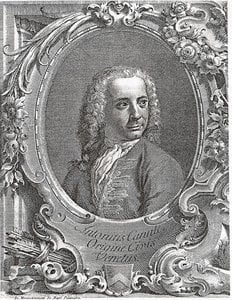
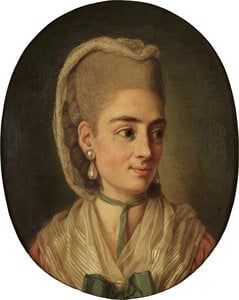
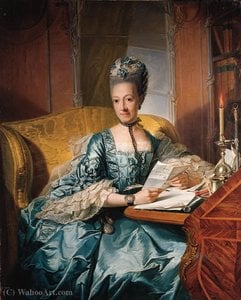
  1. The Country Dance by Jean-Antoine Watteau1Jean-Antoine Watteau
  2. The Stonemason's Yard by Canaletto2Canaletto
  3. The Adoration of the Magi by Giovanni Battista Tiepolo3Giovanni Battista Tiepolo

The essentials

Rococo at a glance

  • 100Artists
  • 1645–1818Years of birth
  • 12Countries of birth
  • 5Women
  • 1Living artists
  • 11,037Works in our catalogue
Cities with most births
Paris (17), Venice (13), Valenciennes (3), Amsterdam (3)
Museums holding the most key works
The Louvre (13), Hermitage Museum (12), Metropolitan Museum of Art (9), Nationalmuseum (8)

Ranked, with their masterpieces

The ranking: 100 Rococo Painters and their key works

1of 100

Jean-Antoine Watteau

French Born in Valenciennes Rococo Wikipedia in 31/32 languages

Jean-Antoine Watteau

He did not rely on the heavy, rigid lines of the previous era; instead, he favored a feathery brushstroke that suggested movement and air. This method allowed him to build a world that felt both present and fleeting, a quality that defined his unique approach to the canvas. He arrived at a moment when the heavy, dramatic shadows of the Baroque were beginning to wane, and he breathed new life into the medium by shifting its focus toward the Rococo.

Key works · The 100 most famous works

2of 100

Canaletto

Italian Born in Venice Vedute, topographical style Wikipedia in 30/32 languages

Canaletto

His first known signed and dated work, an Architectural Capriccio from 1723, appeared in a private collection in Milan. In 1725, he painted The Stonemason's Yard, a work that shows his early skill in capturing architectural detail. Across the Atlantic, the National Gallery of Art in Washington holds his 1742 work, View of the Church and the Doge's Palace from the Procuratie Vecchie.

Where to see His presence remains felt in the collections of major institutions across Europe and beyond.

Teacher of Bernardo Bellotto #10

Key works · The 100 most famous works

3of 100

Giovanni Battista Tiepolo

Italian Born in Venice Rococo and Baroque Wikipedia in 30/32 languages

Giovanni Battista Tiepolo

He drew heavily from the traditions of Veronese, particularly in his use of elegant costumes and grand architectural settings. He looked to the dramatic qualities of Tintoretto and the works of Sebastiano Ricci, Giovanni Battista Piazzetta, and Federico Bencovich. His ability to absorb the color language of Paolo Veronese was so deep that his contemporaries gave him the name Veroneseredivio.

Where to see To find his hand, one often looks to the very spaces he was commissioned to transform.

Key works · The 100 most famous works

4of 100

François Boucher

French Born in Paris Rococo Wikipedia in 30/32 languages

François Boucher

After securing the prestigious Grand Prix de Rome, the young artist set his sights on Italy. He arrived in Rome in 1728 to study at the French Academy, a period that would fundamentally shape his artistic sensibilities.

Where to see In Paris, the Louvre holds several of his canvases, preserving the spirit of the courtly life he so carefully rendered.

Pupil of François Lemoyne #24 · Teacher of Jean-Honoré Fragonard #5

Key works · The 100 most famous works

5of 100

Jean-Honoré Fragonard

French Born in Grasse Rococo Wikipedia in 28/32 languages

Jean-Honoré Fragonard

Fragonard does not labor over minute details; instead, he employs a loose, painterly technique that prioritizes atmosphere and emotion over rigid precision. His late Rococo manner leans heavily into hedonism, using dappled light and soft, creamy tones to build worlds of intimacy and veiled desire.

Where to see The physical traces of Fragonard’s brushwork remain scattered across major global institutions.

Pupil of Jean-Baptiste-Siméon Chardin #6, François Boucher #4

Key works · The 100 most famous works

6of 100

Jean-Baptiste-Siméon Chardin

French Born in Paris Naturalism Wikipedia in 27/32 languages

Jean-Baptiste-Siméon Chardin

Chardin’s presence in Paris was marked by a steady, quiet ascent through the city's artistic circles. For much of his career, he resided on the Left Bank near Saint-Sulpice, a location that anchored his life within the familiar rhythms of the neighborhood. By focusing on the tangible reality of a copper pot or a piece of fruit, he paved the way for the Realist movement, influencing painters like Gustave Courbet who sought to depict life without embellishment.

Where to see His presence is felt strongly in Paris, where the Musée du Louvre holds a significant portion of his output.

Teacher of Jean-Honoré Fragonard #5

Key works · The 100 most famous works

7of 100

Thomas Gainsborough

British Born in Sudbury Rococo, Romanticism Wikipedia in 29/32 languages

Thomas Gainsborough

The brush moved with a certain restless energy across his canvases, favoring quick brushstrokes that suggested form rather than laboriously defining it. He did not merely seek to record a face, but to capture the subtle interplay between human emotion and the splendor of the natural world.

Where to see To walk through the rooms of Gainsborough’s House in Sudbury is to step into the very environment that nurtured his early vision.

Key works · The 100 most famous works

8of 100

Joshua Reynolds

British Born in Plympton Grand Style Wikipedia in 31/32 languages

Joshua Reynolds

He returned to England with a clear vision for how British art could move beyond simple likenesses. He began to promote a method known as the 'Grand Style,' a way of painting that sought to improve upon reality. His works remain central to the study of this era, held in significant collections such as the National Gallery and the National Portrait Gallery Collection.

Key works · The 100 most famous works

10of 100

Bernardo Bellotto

Italian Born in Venice Veduta, urban landscape, printmaker Wikipedia in 27/32 languages

Bernardo Bellotto

The Ruins of the Old Kreuzkirche in Dresden (1765). Rio dei Mendicanti with the Scuola di San Marco (detail) (1738). This meticulous restoration effort was so successful that the historic centre of Warsaw was recognized as a UNESCO World Heritage Site in 1980.

Where to see In Dresden, the Gemäldegalerie holds a significant portion of his output, including views of the city that captured its architectural life before the ravages of war.

Pupil of Canaletto #2

Key works · The 100 most famous works

11of 100

Francesco Guardi

Italian Born in Venice Veduta, Venetian School Wikipedia in 27/32 languages

Francesco Guardi

However, while Canaletto prioritized topographical accuracy, Guardi gradually moved towards a more expressive and imaginative approach. The family legacy played a significant role; his sister Maria Cecilia’s marriage to Giovanni Battista Tiepolo further connected him to the leading artistic circles of the time, fostering a rich exchange of ideas and influences. This atmospheric quality is what particularly appealed to the French Impressionists, such as Claude Monet and Edgar Degas, who recognized in his work a kindred spirit—an artist who prioritized feeling and sensation over strict representation.

Key works · The 100 most famous works

12of 100

Pietro Longhi

Italian Born in Venice Venetian painting, Rococo Wikipedia in 18/32 languages

Pietro Longhi

While influenced by earlier Venetian masters like Giuseppe Maria Crespi, Longhi forged his own path, anticipating later developments in genre painting. He even served as Director of the Academy of Drawing and Carving from 1763, further solidifying his position within the Venetian art world.

Key works · The 100 most famous works

13of 100

Giovanni Domenico Tiepolo

Italian Born in Venice Rococo Wikipedia in 18/32 languages

Giovanni Domenico Tiepolo

As the son of the legendary Giovanni Battista Tiepolo, Giandomenico did not merely inherit a name; he inherited a visual language of light, movement, and theatricality.

Key works · The 100 most famous works

14of 100

Giovanni Battista Piazzetta

Italian Born in Venice Rococo Wikipedia in 16/32 languages

Giovanni Battista Piazzetta

Giovanni Battista Piazzetta, born in Venice on February 13th, either in 1682 or 1683 – records from the period are somewhat ambiguous – emerged into a city steeped in artistic tradition yet undergoing subtle shifts in taste. However, his path soon diverged towards painting, beginning studies with Antonio Molinari in 1697. The “Soothsayer,” now housed in the Gallerie dell’Accademia in Venice, exemplifies this perfectly.

Teacher of Johann Heinrich Tischbein #47

Key works · The 100 most famous works

15of 100

Nicolas Lancret

French Born in Paris Rococo Wikipedia in 16/32 languages

Nicolas Lancret

Lancret became renowned as a brilliant portrayer of everyday life within French society during the Regency of the Duke of Orleans and the early reign of King Louis XV. Notable Works: Le Déjeuner de Jambon (Chantilly, Musée Condé, 1735): A quintessential example of his genre scenes, depicting a convivial ham breakfast with lively figures. Lancret’s influence can be seen in later artists like François Boucher.

Key works · The 100 most famous works

16of 100

Joseph Vernet

French Born in Avignon Landscape, Seascape Wikipedia in 26/32 languages

Joseph Vernet

Beyond maritime scenes, Vernet also explored landscapes and hunting subjects, always maintaining a keen eye for detail and an understanding of animal anatomy—a skill honed in his youth.

Key works · The 100 most famous works

17of 100

Rosalba Carriera

Italian Born in Venice Rococo Wikipedia in 23/32 languages

Rosalba Carriera

In Vienna, she found another devoted patron in Holy Roman Emperor Charles VI, who acquired over 150 of her pastels.

Teacher of Gustaf Lundberg #50

Key works · The 100 most famous works

18of 100

Jean-Marc Nattier

French Born in Paris Rococo Wikipedia in 22/32 languages

Jean-Marc Nattier

However, it was the opportunity to study the works of Peter Paul Rubens at the Luxembourg Palace that proved particularly transformative. The Baroque master’s dynamic compositions, rich colors, and sensual depictions of the human form left an indelible mark on Nattier's style. Further guidance came from his uncle, Jean Jouvenet, a respected history painter who broadened his understanding of composition and narrative.

Teacher of Louis Tocqué #67

Key works · The 100 most famous works

19of 100

Maurice Quentin de La Tour

French Born in Saint-Quentin Rococo Wikipedia in 23/32 languages

Maurice Quentin de La Tour

Maurice Quentin de La Tour was born into a musical family; his father, François de La Tour, was a musician for the Duc du Maine. Early training included studies with Jacques Spoede and a brief period in Rheims. He elevated pastel portraiture to new heights, influencing subsequent generations of artists.

Key works · The 100 most famous works

20of 100

Alexander Roslin

Swedish Born in Malmö Sankt Petri församling Rococo Wikipedia in 21/32 languages

Alexander Roslin

The sale of his Portrait of Jeanne Sophie de Vignerot du Plessis, Countess of Egmont Pignatelli for US$3 million in 2006 underscores the continued demand for his paintings among collectors and art enthusiasts.

Key works · The 100 most famous works

21of 100

Johann Zoffany

Born in Frankfurt Wikipedia in 15/32 languages

Johann Zoffany

Zoffany quickly attracted the attention of King George III and Queen Charlotte, becoming a favored portraitist of the royal family. His ability to capture informal moments – such as Queen Charlotte and Her Two Eldest Children (1765) – distinguished him from more formal court painters.

Key works · The 100 most famous works

22of 100

Louis Michel van Loo

French Born in Toulon Rococo Wikipedia in 17/32 languages

Louis Michel van Loo

Van Loo’s artistic style is defined by its elegant compositions, refined brushwork, and flattering depictions of his subjects. Influenced by artists like Hyacinthe Rigaud, he developed a distinctive approach to portraiture that emphasized not only likeness but also the projection of power and social status. Even at this nascent stage, van Loo demonstrated exceptional talent, earning a prize from the prestigious Académie Royale de Peinture et de Sculpture in Paris in 1725 – a testament to his burgeoning skill and promise.

Pupil of Jean-Baptiste van Loo #53

Key works · The 100 most famous works

23of 100

Jean-Étienne Liotard

Swiss Born in Geneva Wikipedia in 20/32 languages

Jean-Étienne Liotard

In his treatise, Traité des principes et des règles de la peinture, he argued that the purpose of painting was to act as a mirror of nature. This philosophy guided his hand whether he was working in oil, printmaking, or his most characteristic medium, pastel.

Where to see The distribution of Liotard’s output across Europe and beyond allows for a varied study of his technical precision.

Key works · The 100 most famous works

24of 100

François Lemoyne

French Born in Paris Rococo Wikipedia in 14/32 languages

François Lemoyne

Mythological Scenes: Works like Hercules and Omphale demonstrate his ability to depict classical narratives with both dramatic intensity and sensual grace. Religious Paintings: The Transfiguration exemplifies his skill in rendering religious subjects with emotional depth and technical precision. Born in Paris in 1688, Lemoyne dedicated his life to reviving the grandeur of large-scale allegorical painting—a tradition that had somewhat waned since the era of Charles Le Brun, whom Lemoyne deeply admired and sought to emulate.

Teacher of Charles-Joseph Natoire #30, François Boucher #4

Key works · The 100 most famous works

25of 100

François de Troy

French Born in Toulouse Rococo, Baroque Wikipedia in 12/32 languages

François de Troy

These paintings weren't merely decorative; they offered a glimpse into the values and aspirations of the aristocracy, becoming highly sought-after status symbols in themselves. He wasn’t simply painting people; he was painting a lifestyle. He trained numerous students, including his son, Jean-François de Troy (the younger), as well as André Bouys and John Closterman, passing on his technical expertise and artistic sensibilities.

Key works · The 100 most famous works

26of 100

Jean-Baptiste Pater

French Born in Valenciennes Rococo Pastel Palette Wikipedia in 13/32 languages

Jean-Baptiste Pater

Jean-Baptiste Pater's contribution to French Rococo art is undeniable. His meticulous technique and evocative compositions continue to inspire admiration among art historians and enthusiasts alike—a testament to Pater’s enduring legacy as one of France's foremost painters of the eighteenth century.

Pupil of Jean-Antoine Watteau #1

Key works · The 100 most famous works

27of 100

Charles-André van Loo

French Born in Nice Rococo painting Wikipedia in 16/32 languages

Charles-André van Loo

Portrait of Marie Leszczynska, Queen of France – A notable royal portrait. Mademoiselle Clairon as Medea (small version) - A captivating Rococo portrait of 1760. Rivalry: Competed with François Boucher, another prominent Rococo artist.

Pupil of Jean-Baptiste van Loo #53 · Teacher of Johann Heinrich Tischbein #47

Key works · The 100 most famous works

28of 100

Francesco Zuccarelli

Italian Born in Pitigliano Rococo, Baroque Wikipedia in 15/32 languages

Francesco Zuccarelli

Apprenticeship: Zuccarelli began his artistic journey as an apprentice to Giovanni Maria Morandi and Pietro Nelli in Rome, focusing initially on portraiture.

Key works · The 100 most famous works

29of 100

Jacopo Amigoni

Italian Born in Naples Late Baroque & Rococo Wikipedia in 21/32 languages

Jacopo Amigoni

Amigoni’s style is characterized by its sumptuousness, technical brilliance, and a masterful command of color and light. He was particularly adept at rendering textures – from the folds of velvet robes to the shimmer of jewels – contributing significantly to the opulent feel of his works.

Key works · The 100 most famous works

30of 100

Charles-Joseph Natoire

French Born in Nîmes Rococo Wikipedia in 15/32 languages

Charles-Joseph Natoire

Charles-Joseph Natoire (1700–1777) stands as a pivotal figure in the artistic landscape of late Baroque and early Rococo France, embodying the refined sensibilities of his era.

Pupil of François Lemoyne #24 · Teacher of Jean Baptiste Perronneau #65

Key works · The 100 most famous works

31of 100

Franz Anton Maulbertsch

German/Austrian Born in Langenargen Rococo, Baroque Wikipedia in 16/32 languages

Franz Anton Maulbertsch

His apprenticeship under Paul Troger, a celebrated Austrian Baroque painter, instilled in him a sense of theatricality and dynamic composition – hallmarks of the era. He also meticulously examined the works of Sebastiano Ricci at Schönbrunn Palace in Vienna, further honing his skills and refining his aesthetic sensibilities. A particularly formative experience was his encounter with Giambattista Tiepolo around 1750 in Würzburg.

Key works · The 100 most famous works

32of 100

Charles Antoine Coypel

French Born in Paris Baroque Rococo Wikipedia in 11/32 languages

Charles Antoine Coypel

The historical significance of Charles Antoine Coypel lies in his role as an artistic mediator. Though his life was cut short in 1752, the impact of his work remains etched in the history of European painting. In the grand tapestry of French art history, few figures embody the delicate transition from the heavy grandeur of the Baroque to the lighthearted elegance of the Rococo as gracefully as Charles Antoine Coypel.

Key works · The 100 most famous works

33of 100

Adélaïde Labille-Guiard

French Born in Paris Rococo to Neoclassicism Wikipedia in 20/32 languages

Adélaïde Labille-Guiard

Adélaïde Labille-Guiard (1749–1803) stands as a remarkable figure in the history of French art, not merely for her exquisite portraits but also for her courageous challenge to the restrictive conventions that governed women’s roles within the artistic world. She defied societal expectations, navigated institutional barriers, and ultimately paved the way for future generations of female painters.

Pupil of Maurice Quentin de La Tour #19

Key works · The 100 most famous works

34of 100

Dmitry Levitzky

Ukrainian-Russian Born in Kyiv Classical Portraiture Wikipedia in 16/32 languages

Dmitry Levitzky

Dmitry Grigoryevich Levitsky, born in Kyiv in 1735, emerged from a family deeply rooted in the artistic traditions of Ukraine. Antropov’s influence proved significant; he imparted an objectivity that would become a hallmark of Levitsky’s mature style. Despite these challenges, Levitsky left behind an enduring legacy as one of Russia’s foremost portrait painters, alongside contemporaries like Fyodor Rokotov and Vladimir Borovikovsky.

Teacher of Vladimir Borovikovsky #42

Key works · The 100 most famous works

35of 100

Jean-Baptiste Pigalle

French Born in Tournus Baroque & Neoclassical

Jean-Baptiste Pigalle

He honed his skills in Lyon before moving to Paris, immersing himself in the study of live models at the Royal Academy – though his early efforts weren’t universally acclaimed, hinting at the independent spirit that would define his trajectory.

Key works · The 100 most famous works

36of 100

Anne Vallayer-Coster

French Born in Paris Rococo, Still Life Wikipedia in 14/32 languages

Anne Vallayer-Coster

Growing up amidst the vibrant activity of her father’s workshop – Joseph Vallayer was a goldsmith serving the royal family at Gobelins – instilled in her an early appreciation for meticulous craftsmanship and refined detail. The French Revolution brought upheaval to all aspects of French society, including the art world.

Key works · The 100 most famous works

37of 100

Louis Jean François Lagrenée

French Born in Paris Rococo, Neoclassical

Louis Jean François Lagrenée

Jean-Jacques leaned more towards history painting and a dramatic, theatrical approach, contributing significantly to the decorative schemes of the Louvre’s Galerie d'Apollon. Louis-Jean-François: Known for his archaeological explorations and refined mythological scenes. He passed away in Versailles in 1805, leaving behind a legacy as a versatile artist, dedicated antiquarian, and influential figure in French cultural life.

Key works · The 100 most famous works

38of 100

Giambattista Pittoni

Born in Venice Late Baroque, Rococo Wikipedia in 19/32 languages

Giambattista Pittoni

Some of his most notable subjects include: Religious Iconography: Works such as Saint Roch and St Elizabeth Distributing Alms demonstrate his ability to portray Christian compassion and resilience through dramatic lighting and poignant human interaction.

Pupil of Antonio Balestra #69

Key works · The 100 most famous works

39of 100

Gaspar van Wittel

Dutch Born in Amersfoort Veduta painting Wikipedia in 14/32 languages

Gaspar van Wittel

Van Wittel’s style evolved through collaboration and observation. His paintings stand apart from earlier topographical representations due to their atmospheric perspective, the play of light on surfaces, and the inclusion of bustling figures that animate the scenes. He worked alongside Abraham Genoels, possibly as a pupil, and later with Hendrik Frans van Lint, who would become a leading vedutista himself.

Key works · The 100 most famous works

40of 100

Fyodor Stepanovich Rokotov

Russian Born in Moscow Psychological Portrait

Fyodor Stepanovich Rokotov

Born into the humble circumstances of peasant serfdom within the Repnin estate, Rokotov’s ascent from the shadows of servitude to the heights of the Saint Petersburg Academy of Arts is nothing short of extraordinary.

Key works · The 100 most famous works

42of 100

Vladimir Borovikovsky

Born in Myrhorod Wikipedia in 14/32 languages

Vladimir Borovikovsky

The ideas of Prince Nikolay Lvov also profoundly shaped his artistic vision. Artistic Movement: His work bridges the Rococo and Romanticism movements, exhibiting elements of both styles. Influences: He was influenced by Dmitry Levitzky and Johann Baptist Lampi, receiving private lessons from both.

Pupil of Dmitry Levitzky #34

Key works · The 100 most famous works

43of 100

Antoine Pesne

French Born in Paris Rococo Wikipedia in 13/32 languages

Antoine Pesne

A particularly noteworthy portrait from this period is that of Pierre-Jean Mariette, a prominent collector whose extensive network proved invaluable for Pesne’s continued success and exposure. However, it was his second call to Prussian service, beginning in 1722 under Crown Prince Frederick (later Frederick the Great), that truly cemented his legacy. Numerous other portraits – including those of Frederick I and members of their families – adorn the walls of Berlin museums and Charlottenburg Palace, offering a fascinating glimpse into the lives of the Prussian aristocracy.

Key works · The 100 most famous works

44of 100

Allan Ramsay

Born in Edinburgh Wikipedia in 12/32 languages

Allan Ramsay

Ramsay’s artistic development took a significant turn with his travels to Rome and Naples, where he spent three years (1736-1738) working under the tutelage of Francesco Solimena and Imperiali (Francesco Fernandi). He absorbed the prevailing Rococo aesthetic while also developing an appreciation for Neoclassical ideals.

Key works · The 100 most famous works

45of 100

Elisabeth-Louise Vigée-Lebrun

Elisabeth-Louise Vigée-Lebrun

She traveled extensively throughout Europe – Italy, Austria, Russia, and England – continuing to paint portraits of the aristocracy and establishing new networks of patronage. Petersburg, and London, where she was elected as an honorary member of the Royal Academy of Arts. Though the political landscape had changed dramatically, she was welcomed back into society and continued to paint until her death in Paris on March 30, 1842.

Key works · The 100 most famous works

46of 100

Corrado Giaquinto

Italian Born in Molfetta Rococo Wikipedia in 11/32 languages

Corrado Giaquinto

Born in Molfetta, Italy, in 1703, his journey from a provincial apprentice to one of the most sought-after painters in Europe is a testament to a talent that could harmonize the monumental with the delicate.

Key works · The 100 most famous works

47of 100

Johann Heinrich Tischbein

German Born in Haina Rococo Wikipedia in 10/32 languages

Johann Heinrich Tischbein

The historical importance of Johann Heinrich Tischbein the Elder extends far beyond his individual achievements; he served as the cornerstone of a multi-generational artistic dynasty. By maintaining the role of gallery director in Kassel, he helped curate a visual legacy that would inspire his nephews and much of the next generation of German painters. His appointment as the court painter to William VIII, Landgrave of Hesse-Kassel, marked a pinnacle in his professional life.

Pupil of Charles-André van Loo #27, Giovanni Battista Piazzetta #14

Key works · The 100 most famous works

48of 100

Christian Wilhelm Ernst Dietrich

German Born in Weimar Imitation of Dutch & Italian masters Wikipedia in 11/32 languages

Christian Wilhelm Ernst Dietrich

He was an artist who found his voice through the voices of others, ensuring that the brilliance of the Dutch and Italian masters continued to shine brightly within the German courts.

Key works · The 100 most famous works

49of 100

Charles Amédée Philippe Van Loo

French Born in Rivoli Rococo, Portraiture Wikipedia in 13/32 languages

Charles Amédée Philippe Van Loo

Vanloo's artistic style was deeply rooted in the traditions of the Baroque and Roman art academies, but he also drew inspiration from the work of contemporary artists such as Nicolas Lancret and Jean-Honoré Fragonard. His compositions are often dynamic and asymmetrical, creating a sense of movement and energy. He skillfully blended these influences to create a distinctive Rococo style characterized by its elegance, grace, and theatricality.

Pupil of Jean-Baptiste van Loo #53

Key works · The 100 most famous works

50of 100

Gustaf Lundberg

Swedish Born in Stockholm City Rococo Pastelist Wikipedia in 14/32 languages

Gustaf Lundberg

His portfolio serves as a visual chronicle of the 18th-century elite, featuring breathtaking depictions of Louis XV and his queen, Maria Leszczyńska. His life’s work remains a testament to several key artistic achievements: The Elevation of Pastel: He helped transition pastel from a secondary medium to a primary vehicle for high-status portraiture. Immersed in the rigorous traditions of French academies, he studied under luminaries such as Hyacinthe Rigaud and Nicolas de Largillière, absorbing the grandiosity of classical portraiture.

Pupil of Rosalba Carriera #17

Key works · The 100 most famous works

53of 100

Jean-Baptiste van Loo

French Born in Aix-en-Provence Baroque, Rococo Wikipedia in 15/32 languages

Jean-Baptiste van Loo

His father, Louis-Abraham van Loo, himself the son of Jacob van Loo, instilled in him not only technical skill but also an appreciation for the power and prestige associated with portraiture.

Teacher of Charles-André van Loo #27

Key works · The 100 most famous works

54of 100

John Wollaston

English Rococo Painting

John Wollaston

His work bears an unmistakable resemblance to the portraits of Thomas Hudson and Allan Ramsay, capturing not just the likeness of his subjects but the very essence of their social standing. His journey across the Atlantic in 1749 marked a transformative chapter for both the artist and the colonies. While later giants like Benjamin West and Gilbert Stuart would command the spotlight of American portraiture, Wollaston’s true contribution lies in his role as a pioneer, introducing the delicate elegance and shimmering sophistication of the Rococo style to North America.

Key works · The 100 most famous works

55of 100

Carl Gustaf Pilo

Swedish Born in Runtuna Rococo Wikipedia in 12/32 languages

Carl Gustaf Pilo

Perhaps no single work encapsulates the grandeur and technical complexity of Pilo’s career more than his monumental, though unfinished, masterpiece, "Gustav III’s Coronation." This painting serves as a breathtaking window into the ceremonial splendor of the Swedish monarchy.

Key works · The 100 most famous works

56of 100

Anna Dorothea Therbusch

German Born in Berlin Rococo Wikipedia in 13/32 languages

Anna Dorothea Therbusch

Anna Dorothea Therbusch (1721-1782) stands as a remarkable figure in the annals of Rococo art history —a woman artist who defied societal expectations and achieved considerable renown during the Enlightenment. Born into a family steeped in artistic tradition, her father, Georg Lisiewski, was himself a celebrated Berlin portrait painter, establishing a lineage dedicated to visual representation. Her acceptance into the Académie royale de peinture et de sculpture marked a pivotal moment in her career, affording her access to influential mentors and fostering collaborations with fellow artists like Philippe Hackert.

Key works · The 100 most famous works

58of 100

Nathaniel Hone

Dutch Born in Dublin Rococo

Nathaniel Hone

Crucially, Watteau avoided direct representation, instead relying on suggestion and implication to convey mood and emotion. The Surprise (1717-1718), depicting a young woman startled by a lover’s arrival, exemplifies this approach, showcasing his ability to capture a moment of intense emotion with remarkable delicacy. Watteau’s artistic journey took him to Paris in 1705, where he began to establish himself as a portraitist.

Key works · The 100 most famous works

59of 100

Michele Marieschi

Italian Born in Venice Vedute Venice Wikipedia in 9/32 languages

Michele Marieschi

Born in Venice in 1710, Marieschi emerged from a lineage of craftsmanship, being the son of a woodcarver—a background that likely instilled in him a profound respect for structure, texture, and the physical essence of the objects he depicted. In the golden age of the Venetian Rococo, few artists captured the ephemeral magic of the Serenissima with as much vitality as Michele Giovanni Marieschi.

Key works · The 100 most famous works

60of 100

Antonio Corradini

Italian Born in Este Rococo

Antonio Corradini

He built upon the dramatic energy of the former while embracing the lightness, elegance, and playful sensuality of the latter. The ability to create such realistic illusions with marble solidified his place as one of the leading sculptors of his time. After leaving Vienna, Corradini spent his final years in Rome and Naples, continuing to refine his art until his death in 1752.

Key works · The 100 most famous works

61of 100

Royal-Polish And Electoral-Saxon Porcelain Manufactory

German Born in Meissen Hard-paste porcelain

Royal-Polish And Electoral-Saxon Porcelain Manufactory

The royal-polish and electoral-saxon porcelain manufactory, established in 1710 by Ehrenfried Walther von Tschirnhaus and Johann Friedrich Böttger, stands as a monumental achievement in European ceramics history—a testament to scientific innovation and artistic brilliance that continues to captivate collectors and connoisseurs worldwide.

Key works · The 100 most famous works

62of 100

Gerard van Spaendonck

Born in Tilburg Wikipedia in 12/32 languages

Gerard van Spaendonck

He contributed over fifty works to Les Vélins du Roi, a renowned collection of botanical watercolors commissioned by the French royal family. Fleurs Dessinees d'apres Nature (Flowers Drawn from Life): Published between 1799 and 1801, this series of twenty-four engraved plates served as a valuable resource for students of floral painting. Van Spaendonck died in Paris in 1822 and is buried in Père Lachaise Cemetery.

Key works · The 100 most famous works

64of 100

Jean Jacques Caffiéri

French Born in Paris Rococo

Jean Jacques Caffiéri

Caffiéri’s dedication to royal service extended beyond architectural embellishments; he undertook numerous commissions for Louis XV, producing portraits and sculptures that captured the spirit of the era. Notable Portraits: Caffiéri’s portraits demonstrate his ability to convey psychological depth and elegance—characteristics that define his artistic legacy. Notably, Caffiéri’s designs for Versailles, Fontainebleau, Marly, Compiegne, and Choisy exemplify the grandeur and elegance synonymous with Louis XV's court.

Key works · The 100 most famous works

65of 100

Jean Baptiste Perronneau

French Born in Paris Rococo Wikipedia in 12/32 languages

Jean Baptiste Perronneau

De La Tour was widely considered the master of French pastel portraiture, and his influence on Perronneau was profound. A pivotal moment illustrating this relationship occurred at the Salon of 1750.

Pupil of Charles-Joseph Natoire #30

Key works · The 100 most famous works

66of 100

Francis Hayman

English Born in Exeter Rococo, Portraiture Wikipedia in 10/32 languages

Francis Hayman

In the vibrant, shifting landscape of eighteenth-century British art, few figures possessed the versatile brilliance of Francis Hayman. Drawing inspiration from the opulent French masters such as François Boucher, Hayman embraced a palette of delicate pastels and fluid, rhythmic brushstrokes. Decorative Commissions: His work for the Vauxhall Pleasure Gardens demonstrated his skill in large-scale storytelling, where he used art to enhance the public's sensory experience of leisure and joy.

Key works · The 100 most famous works

67of 100

Louis Tocqué

French Born in Paris Portrait painting Wikipedia in 11/32 languages

Louis Tocqué

Nattier’s atelier became Tocqué’s formative environment, where he honed his skills under the tutelage of masters like Hyacinthe Rigaud and Nicolas Bertin. While Tocqué’s output was relatively modest compared to some of his contemporaries, his portraits—particularly those commissioned by royalty—remain valuable examples of 18th-century French art.

Pupil of Jean-Marc Nattier #18

Key works · The 100 most famous works

68of 100

Donato Creti

Italian Born in Cremona Rococo, Neoclassicism Wikipedia in 8/32 languages

Donato Creti

Pasinelli, a key figure connected to the Bolognese school descended from Guido Reni, instilled in him a rigorous academic foundation. This natural aptitude attracted patronage from Conte Alessandro Fava, a crucial benefactor who provided opportunities for study and creative exploration. Art historian Rudolf Wittkower aptly described Creti as the “Bolognese Marco Benefial,” recognizing his pivotal role in bridging the gap between the Rococo’s decorative tendencies and the emerging neoclassical style.

Key works · The 100 most famous works

69of 100

Antonio Balestra

Born in Verona Wikipedia in 11/32 languages

Antonio Balestra

He then traveled to Bologna and subsequently Rome, working in the workshop of the renowned Carlo Maratta. Roman Classicism: Working with Maratta exposed him to classical ideals and academic rigor.

Teacher of Giambattista Pittoni #38

Key works · The 100 most famous works

70of 100

Gaspare Traversi

Italian Born in Naples Rococo Wikipedia in 11/32 languages

Gaspare Traversi

Gaspare Traversi (1722-1770) stands as a singular figure in the vibrant artistic landscape of Naples during the Rococo era, yet his stylistic affinities extend far beyond the confines of Campania. Notable Commissions & Collaborations: Traversi secured prestigious commissions throughout Italy, notably in Parma where he collaborated with Giovanni Lorenzo Berti on a monumental portrait depicting Saint Margaret of Cortona. Despite lacking pupils, Gaspare Traversi exerted a considerable influence on subsequent generations of Neapolitan artists, notably Lorenzo de Caro and Giuseppe Bonito.

Key works · The 100 most famous works

71of 100

Georg Desmarées

Swedish-German Born in Stockholm City Rococo, Portraiture Wikipedia in 9/32 languages

Georg Desmarées

His early works, heavily influenced by his uncle Meytens and the French masters, exhibited a meticulous attention to detail and a restrained elegance. As he matured, de Marées increasingly embraced the Rococo aesthetic, evident in his use of brighter colors, more fluid brushwork, and a generally lighter, more decorative approach. Other notable works include portraits of members of the Elector’s family, such as The Countess Holstein (Lenbachhaus, Munich) and The Princess Portia (Staatsgalerie, Stuttgart).

Key works · The 100 most famous works

72of 100

Jean-Baptiste Pillement

French Born in Lyon Rococo & Neoclassical Wikipedia in 8/32 languages

Jean-Baptiste Pillement

This approach allowed him to evoke the atmospheric depth of masters like Claude Lorrain, yet he infused these classical foundations with a uniquely whimsical energy. His compositions were never static; they pulsed with a rhythmic vitality, often characterized by: Intricate Botanical Detail: A profound focus on flora that felt both scientifically inspired and mythically heightened. His stylistic evolution was deeply shaped by the explorations of artists such as Nicolas Pocock and Gaspar Pérégrine Rigaud.

Key works · The 100 most famous works

73of 100

Cornelis Troost

Dutch Born in Amsterdam Rococo genre scenes Wikipedia in 8/32 languages

Cornelis Troost

The significance of Cornelis Troost lies in his ability to act as a visual historian for a period of transition.

Key works · The 100 most famous works

74of 100

Jacques De Lajoue

French Born in Paris Neoclassical Painting Wikipedia in 8/32 languages

Jacques De Lajoue

These works were not mere depictions of existing structures but were instead monumental visions of palaces, temples, and manicured gardens designed to evoke a sense of mathematical harmony and sublime order. While his name may not resonate with the same immediate thunder as contemporaries like Boucher or Watteau, Lajoue occupied a unique niche in the French canon, serving as an artist who could bridge the gap between the rigid grandeur of classical structure and the delicate, emotive spirit of the Rococo.

Key works · The 100 most famous works

75of 100

Richard Cosway

British Born in Tiverton Regency portrait miniatures Wikipedia in 10/32 languages

Richard Cosway

The Witts Family Group, for example, is a masterpiece of composition and character study.

Key works · The 100 most famous works

76of 100

Philippe Mercier

French Born in Berlin Rococo Wikipedia in 7/32 languages

Philippe Mercier

Unlike the often-opulent and overtly theatrical depictions found in French court painting, Mercier favored scenes that were more intimate and relatable. The emphasis on domesticity, coupled with his masterful use of pastel shades and delicate brushwork, created an aesthetic that resonated deeply with the British public. While his popularity waned somewhat after the death of Frederick, Prince of Wales in 1751, Mercier’s legacy endures as a key figure in shaping the visual identity of 18th-century Britain.

Key works · The 100 most famous works

77of 100

Per Krafft the Elder

Swedish Born in Arboga Rococo Wikipedia in 7/32 languages

Per Krafft the Elder

Beyond his individual achievements, Per the Elder Krafft’s historical significance is cemented by the artistic legacy he left within his own family. His children, Per Krafft the Younger and the miniaturist Wilhelmina Krafft, both studied at the Royal Swedish Academy of Fine Arts, carrying forward the technical excellence and emotive depth instilled by their father.

Key works · The 100 most famous works

78of 100

Johann Georg Pinzel

Ukrainian, Czech Born in Buchach Baroque, Rococo

Johann Georg Pinzel

Settling in Buchach, Pinsel quickly established himself as a favored artist within Potocki's circle. This synergy is particularly evident in projects like the Buchach Town Hall (1750s) and the Trinitarian Church (1756-1757), where architecture and sculpture coalesce into a unified expression of Baroque grandeur. Despite his prolific output, Pinsel’s life ended relatively early, between September 16, 1761, and October 24, 1762, likely in Buchach.

Key works · The 100 most famous works

79of 100

Alessandro Longhi

Born in Venice Wikipedia in 10/32 languages

Alessandro Longhi

Longhi specialized in portraiture, particularly depictions of Venetian nobles and prominent figures. His portraits often feature elaborate robes and emblems of office, reflecting his subjects’ positions and power – a characteristic noted in comparison to artists like Sebastiano Bombelli. While deeply influenced by his father's realistic approach, Alessandro Longhi also demonstrated an appreciation for other masters.

Key works · The 100 most famous works

80of 100

Giuseppe Bonito

Italian Born in Castellammare di Stabia Rococo Wikipedia in 11/32 languages

Giuseppe Bonito

Born in 1707 in Castellammare di Stabia, Bonito emerged from a period of profound artistic transition, where the dramatic weight of the Baroque was beginning to soften into the playful elegance of the Rococo. Though some of his works were historically subject to attribution disputes—often being confused with those of his contemporary, Gaspare Traversi —modern scholarship has helped to reclaim Bonito’s distinct identity.

Key works · The 100 most famous works

81of 100

Christophe Huet

French Born in Pontoise Idyllic Scenes Wikipedia in 4/32 languages

Christophe Huet

His paintings weren’t about grand statements or dramatic narratives; they were about creating a harmonious atmosphere—a sense of refined pleasure and understated elegance. This aesthetic aligns perfectly with the Rococo movement's emphasis on lightness, grace, and intimacy. His nephew, Jean-Baptiste Huet I, also achieved considerable success as a landscape and portrait painter, often working in similar styles.

Key works · The 100 most famous works

82of 100

Louis de Silvestre

French Born in Sceaux Baroque, Rococo Wikipedia in 7/32 languages

Louis de Silvestre

These monumental paintings showcase Silvestre's ability to seamlessly blend classical mythology with Baroque aesthetics. The “ Arion playing the Lyre ” is a particularly striking example, capturing the drama and emotion of the myth in a visually stunning composition. He represents a crucial link between the Baroque traditions of France and the emerging Rococo style, embodying a synthesis of classical learning and aristocratic patronage.

Key works · The 100 most famous works

83of 100

Luis Paret Y Alcázar

Spanish Born in Madrid Rococo Wikipedia in 8/32 languages

Luis Paret Y Alcázar

In the vibrant, sun-drenched tapestry of 18th-century Spain, few artists captured the delicate interplay of light and social elegance as masterfully as Luis Paret y Alcázar. Paret’s artistic foundation was laid within the prestigious halls of the Academia Real de San Fernando. His influence traveled across oceans, notably shaping the trajectory of Puerto Rican art through his pupil, José Campeche.

Key works · The 100 most famous works

84of 100

Johann Salomon Wahl

German, Danish Born in Chemnitz Wikipedia in 5/32 languages

Johann Salomon Wahl

He did not begin his formal training until much later, entering a period of study that lasted from 1705 to 1711. Hoyer held the position of court painter in Leipzig, a role that likely shaped the technical precision Wahl would later bring to his own subjects.

Key works · The 100 most famous works

85of 100

Giuseppe Nogari

Italian Born in Venice Rococo Wikipedia in 8/32 languages

Giuseppe Nogari

His talent attracted the attention of powerful international patrons, most notably the German nobility residing in Venice, such as Sigismund Streit and Johann Matthias von der Schulenburg.

Key works · The 100 most famous works

86of 100

Jean Ranc

French Born in Montpellier Baroque/Neoclassical Wikipedia in 8/32 languages

Jean Ranc

Ranc’s artistic style closely mirrored that of Hyacinthe Rigaud, characterized by a refined Rococo aesthetic infused with subtle realism. He secured commissions from prominent figures of Parisian society, including François Verdier and Carlos III de España, demonstrating his ability to adapt to diverse artistic tastes. Jean Ranc's contribution to 18th-century portraiture lies in his embodiment of the Rigaudian style—a synthesis of Baroque grandeur and Rococo delicacy that solidified its position as a dominant aesthetic during Philip V’s reign.

Key works · The 100 most famous works

87of 100

Nathaniel Hone the Elder

Irish Born in Dublin Barbizon landscapes & Rococo portraiture Wikipedia in 4/32 languages

Nathaniel Hone the Elder

He skillfully blended illusionistic techniques with tonal gradations, creating images that resonate with emotional depth. ‘ The Honourable Mrs Curzon’ (1778): This miniature showcases Hone's exceptional skill in capturing the subtleties of facial expression and posture—a hallmark of Rococo portraiture. Nathaniel Hone I exerted considerable influence on subsequent generations of artists, particularly those exploring the Barbizon landscape style.

Key works · The 100 most famous works

88of 100

Jean Raoux

French Born in Montpellier Symbolist Art Wikipedia in 7/32 languages

Jean Raoux

His career unfolded against a backdrop of shifting tastes—a transition from the grandeur of the Baroque to the more intimate sensibilities of the Rococo —and he deftly navigated these currents, leaving behind a body of work that continues to intrigue and delight. He spent three formative years in Italy, specifically Venice, undertaking decorative commissions for the palace of Giustiniani Solini. Following a stay in England in 1720, Raoux spent much of his later life decorating rooms within the Temple complex in Paris.

Key works · The 100 most famous works

89of 100

Edouard Honoré Ave

French Born in Paris Neoclassical/Romantic

Edouard Honoré Ave

Ave’s career was marked by active engagement with the prestigious artistic institutions of France. As a participant in the Société des artistes français, he was part of the vital cultural dialogue that defined the Parisian art scene. In the vibrant heart of nineteenth-century Paris, a period defined by both industrial progress and a profound reverence for classical beauty, Édouard Honoré Ave (1818–1890) emerged as a master of the decorative arts.

Key works · The 100 most famous works

90of 100

Francesco Zugno

Italian Born in Venice Rococo Wikipedia in 6/32 languages

Francesco Zugno

Within the luminous and often overwhelming splendor of eighteenth-century Venice, the name Francesco Zugno emerges as a vital, if somewhat enigmatic, thread in the tapestry of the Rococo era. His early years were shaped by the prestigious traditions of his ancestors, including the fifteenth-century painter Giambattista Zugno, and he received formal training at the Academy of Painting and Sculpture of Venice.

Key works · The 100 most famous works

91of 100

Joseph Boze

French Born in Martigues Portraiture Wikipedia in 7/32 languages

Joseph Boze

Notably, he survived the Reign of Terror thanks to his unwavering loyalty and diplomatic connections, demonstrating an astute awareness of political realities. Among his most celebrated commissions were portraits of Jean-Paul Marat—a revolutionary icon—and Charles Eugène Gabriel de la Croix, Marquis de Castries—a military leader who played a crucial role in restoring the monarchy. His work represents a pivotal moment in French art history —a testament to artistic excellence amidst political turmoil.

Pupil of Maurice Quentin de La Tour #19

Key works · The 100 most famous works

92of 100

Louis Joseph Watteau

French Born in Valenciennes Fêtes galantes Wikipedia in 6/32 languages

Louis Joseph Watteau

Recognizing his son's prodigious talent early on, Jean secured him an apprenticeship with Antoine Goujon, a sculptor renowned for his monumental works at Versailles—a connection that would prove invaluable to Watteau’s artistic development. He subsequently studied under Nicolas Frémiet, further honing his skills in drawing and etching, disciplines that would serve as crucial tools throughout his career. His innovative techniques—particularly his atmospheric perspective and luminous color palettes—inspired painters across Europe, including Jean-Honoré Fragonard and François Boucher, who embraced fêtes galantes as their primary expressive medium.

Key works · The 100 most famous works

93of 100

Jacobus Buys

Dutch Born in Amsterdam Rococo Wikipedia in 5/32 languages

Jacobus Buys

However, he wasn’t simply replicating past styles; he synthesized these influences with the prevailing Rococo aesthetic sweeping across Europe. Buys’s ability to seamlessly blend these influences—the Dutch tradition of realism with the French Rococo's emphasis on elegance and ornamentation—is what sets him apart. The influence of earlier Dutch masters is subtly present in Buys's work, particularly in his meticulous attention to detail and the use of light and shadow reminiscent of the Golden Age painters.

Key works · The 100 most famous works

94of 100

Jeremiah Theus

Swiss Born in Chur Rococo Wikipedia in 5/32 languages

Jeremiah Theus

Notable Commissions: Theus undertook numerous commissions throughout his career, demonstrating versatility and responsiveness to client needs. Teaching & Artistic Legacy: Recognizing the importance of fostering artistic talent, Theus opened an evening drawing school in 1744—a pioneering initiative that nurtured aspiring artists within Charleston’s intellectual circles. Jeremiah Theus' contribution to American art history extends beyond his individual achievements; he represents a crucial link between European artistic traditions and the nascent cultural identity of the United States.

Key works · The 100 most famous works

95of 100

Vigilius Eriksen

Danish Born in Copenhagen Rococo Wikipedia in 7/32 languages

Vigilius Eriksen

From his beginnings in Copenhagen to the heights of the Russian imperial court and his eventual return to Denmark as a royal portraitist for Christian VI, he remained a central figure in the visual identity of the era's most powerful figures.

Key works · The 100 most famous works

96of 100

Georg David Matthieu

German Born in Berlin Rococo Wikipedia in 6/32 languages

Georg David Matthieu

Matthieu utilizes specific elements to communicate status: The inclusion of books and maps to suggest intellectual pursuit and territorial dominion. His friendship with Jakob Philipp Hackert likely brings broader European influences into his practice, particularly through shared study trips to Italy.

Key works · The 100 most famous works

97of 100

Robert Tournières

Born in Ifs Wikipedia in 6/32 languages

Robert Tournières

He skillfully blended elements of Dutch intimacy – particularly evident in his genre scenes – with the emerging lightness and elegance that would come to define the Rococo style. While not considered among the most powerful painters of his era, critics acknowledged his careful technique and refined execution. This influence is visible in his attention to light, shadow, and the intimate portrayal of everyday life.

Key works · The 100 most famous works

98of 100

Jose Del Castillo

Spanish Born in Madrid Neoclassical Wikipedia in 7/32 languages

Jose Del Castillo

Illustrative Mastery: Notable contributions to literature, including exquisite drawings for the 1780 edition of Don Quixote, where his line work breathed new life into Cervantes' legendary characters.

Pupil of Corrado Giaquinto #46

Key works · The 100 most famous works

99of 100

Agostino Brunias

Italian Born in Rome Vérité ethnographique Wikipedia in 2/32 languages

Agostino Brunias

Leaving behind the grand estates and classical landscapes of England, Brunias immersed himself in the bustling markets, verdant plantations, and diverse communities of colonial Dominica. He meticulously depicted clothing styles, social interactions, and the vibrant cultural tapestry woven from African, European, and Caribbean influences. After returning to England around 1773 or 1775, Brunias exhibited his West Indian works at the Royal Academy, further solidifying his reputation as a unique and compelling artist.

Key works · The 100 most famous works

100of 100

Domenico Duprà

Italian Born in Turin Rococo Wikipedia in 6/32 languages

Domenico Duprà

To reflect upon the breadth of his contributions, one might consider the following pillars of his career: Stylistic Synthesis: The seamless blending of Roman classical training with the light, decorative elegance of French Rococo portraiture. Ultimately, Giorgio Domenico Duprà remains a visionary of the Rococo movement. Courtly Service: A distinguished career serving the House of Braganza in Portugal, the Stuart family in Rome, and the House of Savoy in Italy.

Key works · The 100 most famous works

The paintings behind the names

Famous Rococo works and the artists who made them

  1. The Country Dance by Jean-Antoine Watteau

    The Country Dance

    Jean-Antoine Watteau

  2. The Stonemason's Yard by Canaletto

    The Stonemason's Yard

    Canaletto

    1726 · National Gallery, London

  3. The Adoration of the Magi by Giovanni Battista Tiepolo

    The Adoration of the Magi

    Giovanni Battista Tiepolo

    1750 · Metropolitan Museum of Art, new york

  4. The Triumph of Venus by François Boucher

    The Triumph of Venus

    François Boucher

  5. The Swing by Jean-Honoré Fragonard

    The Swing

    Jean-Honoré Fragonard

    1750 · Thyssen-Bornemisza Museum, Madrid

  6. The Ray by Jean-Baptiste-Siméon Chardin

    The Ray

    Jean-Baptiste-Siméon Chardin

    1728

  7. Conversation in a Park by Thomas Gainsborough

    Conversation in a Park

    Thomas Gainsborough

    1740 · The Louvre, Paris

Through time

A Rococo timeline in masterpieces

  1. 1678
  2. 1720
  3. 1725
  4. 1726
  5. 1728
  6. 1729
  7. 1735
  8. 1736
  9. 1740
  10. 1741
  11. 1743
  12. 1744
  13. 1748
  14. 1748

In figures

By the numbers

All of them, in order

List of the 100 famous Rococo painters

  1. 1Jean-Antoine WatteauJean-Antoine WatteauFrench · 1684–1721
  2. 2CanalettoCanalettoItalian · 1697–1768
  3. 3Giovanni Battista TiepoloGiovanni Battista TiepoloItalian · 1696–1770
  4. 4François BoucherFrançois BoucherFrench · 1703–1770
  5. 5Jean-Honoré FragonardJean-Honoré FragonardFrench · 1732–1806
  6. 6Jean-Baptiste-Siméon ChardinJean-Baptiste-Siméon ChardinFrench · 1699–1779
  7. 7Thomas GainsboroughThomas GainsboroughBritish · 1727–1788
  8. 8Joshua ReynoldsJoshua ReynoldsBritish · 1723–1792
  9. 9Jean-Baptiste GreuzeJean-Baptiste GreuzeFrench · 1725–1805
  10. 10Bernardo BellottoBernardo BellottoItalian · 1722–1780
  11. 11Francesco GuardiFrancesco GuardiItalian · 1712–1793
  12. 12Pietro LonghiPietro LonghiItalian · 1701–1785
  13. 13Giovanni Domenico TiepoloGiovanni Domenico TiepoloItalian · 1727–1804
  14. 14Giovanni Battista PiazzettaGiovanni Battista PiazzettaItalian · 1683–1754
  15. 15Nicolas LancretNicolas LancretFrench · 1689–1743
  16. 16Joseph VernetJoseph VernetFrench · 1714–1789
  17. 17Rosalba CarrieraRosalba CarrieraItalian · 1675–1757
  18. 18Jean-Marc NattierJean-Marc NattierFrench · 1685–1766
  19. 19Maurice Quentin de La TourMaurice Quentin de La TourFrench · 1704–1788
  20. 20Alexander RoslinAlexander RoslinSwedish · 1718–1793
  21. 21Johann ZoffanyJohann Zoffany1733–1810
  22. 22Louis Michel van LooLouis Michel van LooFrench · 1707–1771
  23. 23Jean-Étienne LiotardJean-Étienne LiotardSwiss · 1702–1789
  24. 24François LemoyneFrançois LemoyneFrench · 1688–1737
  25. 25François de TroyFrançois de TroyFrench · 1645–1730
  26. 26Jean-Baptiste PaterJean-Baptiste PaterFrench · 1695–1736
  27. 27Charles-André van LooCharles-André van LooFrench · 1705–1765
  28. 28Francesco ZuccarelliFrancesco ZuccarelliItalian · 1702–1788
  29. 29Jacopo AmigoniJacopo AmigoniItalian · 1682–1752
  30. 30Charles-Joseph NatoireCharles-Joseph NatoireFrench · 1700–1777
  31. 31Franz Anton MaulbertschFranz Anton MaulbertschGerman/Austrian · 1724–1796
  32. 32Charles Antoine CoypelCharles Antoine CoypelFrench · 1694–1752
  33. 33Adélaïde Labille-GuiardAdélaïde Labille-GuiardFrench · 1749–1803
  34. 34Dmitry LevitzkyDmitry LevitzkyUkrainian-Russian · 1735–1822
  35. 35Jean-Baptiste PigalleJean-Baptiste PigalleFrench · 1725–1805
  36. 36Anne Vallayer-CosterAnne Vallayer-CosterFrench · 1744–1818
  37. 37Louis Jean François LagrenéeLouis Jean François LagrenéeFrench · 1756–1827
  38. 38Giambattista PittoniGiambattista Pittoni1687–1767
  39. 39Gaspar van WittelGaspar van WittelDutch · 1653–1736
  40. 40Fyodor Stepanovich RokotovFyodor Stepanovich RokotovRussian · 1730–1808
  41. 41François Hubert DrouaisFrançois Hubert Drouais1727–1775
  42. 42Vladimir BorovikovskyVladimir Borovikovsky1757–1825
  43. 43Antoine PesneAntoine PesneFrench · 1683–1757
  44. 44Allan RamsayAllan Ramsay1713–1784
  45. 45Elisabeth-Louise Vigée-LebrunElisabeth-Louise Vigée-Lebrun
  46. 46Corrado GiaquintoCorrado GiaquintoItalian · 1703–1766
  47. 47Johann Heinrich TischbeinJohann Heinrich TischbeinGerman · 1722–1789
  48. 48Christian Wilhelm Ernst DietrichChristian Wilhelm Ernst DietrichGerman · 1712–1774
  49. 49Charles Amédée Philippe Van LooCharles Amédée Philippe Van LooFrench · 1719–1795
  50. 50Gustaf LundbergGustaf LundbergSwedish · 1695–1786
  51. 51Louis-Jean-François LagrenéeLouis-Jean-François LagrenéeEnglish · 1725–1805
  52. 52Jacob de WitJacob de WitDutch · 1695–1754
  53. 53Jean-Baptiste van LooJean-Baptiste van LooFrench · 1684–1745
  54. 54John WollastonJohn WollastonEnglish · 1742–1775
  55. 55Carl Gustaf PiloCarl Gustaf PiloSwedish · 1711–1793
  56. 56Anna Dorothea TherbuschAnna Dorothea TherbuschGerman · 1721–1782
  57. 57Johann Georg PlatzerJohann Georg PlatzerAustrian · 1704–1761
  58. 58Nathaniel HoneNathaniel HoneDutch · 1718–1784
  59. 59Michele MarieschiMichele MarieschiItalian · 1710–1743
  60. 60Antonio CorradiniAntonio CorradiniItalian · 1668–1752
  61. 61Royal-Polish And Electoral-Saxon Porcelain ManufactoryRoyal-Polish And Electoral-Saxon Porcelain ManufactoryGerman · born 1710
  62. 62Gerard van SpaendonckGerard van Spaendonck1746–1822
  63. 63Joseph HighmoreJoseph HighmoreBritish · 1692–1780
  64. 64Jean Jacques CaffiériJean Jacques CaffiériFrench · 1678–1755
  65. 65Jean Baptiste PerronneauJean Baptiste PerronneauFrench · 1715–1783
  66. 66Francis HaymanFrancis HaymanEnglish · 1708–1776
  67. 67Louis TocquéLouis TocquéFrench · 1696–1772
  68. 68Donato CretiDonato CretiItalian · 1671–1749
  69. 69Antonio BalestraAntonio Balestra1666–1740
  70. 70Gaspare TraversiGaspare TraversiItalian · 1722–1770
  71. 71Georg DesmaréesGeorg DesmaréesSwedish-German · 1697–1776
  72. 72Jean-Baptiste PillementJean-Baptiste PillementFrench · 1728–1808
  73. 73Cornelis TroostCornelis TroostDutch · 1696–1750
  74. 74Jacques De LajoueJacques De LajoueFrench · 1686–1761
  75. 75Richard CoswayRichard CoswayBritish · 1742–1821
  76. 76Philippe MercierPhilippe MercierFrench · 1689–1760
  77. 77Per Krafft the ElderPer Krafft the ElderSwedish · 1724–1793
  78. 78Johann Georg PinzelJohann Georg PinzelUkrainian, Czech · 1715–1761
  79. 79Alessandro LonghiAlessandro Longhi1733–1813
  80. 80Giuseppe BonitoGiuseppe BonitoItalian · 1707–1789
  81. 81Christophe HuetChristophe HuetFrench · 1700–1759
  82. 82Louis de SilvestreLouis de SilvestreFrench · 1675–1760
  83. 83Luis Paret Y AlcázarLuis Paret Y AlcázarSpanish · 1746–1799
  84. 84Johann Salomon WahlJohann Salomon WahlGerman, Danish · 1689–1765
  85. 85Giuseppe NogariGiuseppe NogariItalian · 1699–1766
  86. 86Jean RancJean RancFrench · 1674–1735
  87. 87Nathaniel Hone the ElderNathaniel Hone the ElderIrish · 1718–1784
  88. 88Jean RaouxJean RaouxFrench · 1677–1734
  89. 89Edouard Honoré AveEdouard Honoré AveFrench · 1818–1890
  90. 90Francesco ZugnoFrancesco ZugnoItalian · 1708–1787
  91. 91Joseph BozeJoseph BozeFrench · 1745–1826
  92. 92Louis Joseph WatteauLouis Joseph WatteauFrench · 1731–1798
  93. 93Jacobus BuysJacobus BuysDutch · 1724–1801
  94. 94Jeremiah TheusJeremiah TheusSwiss · 1716–1774
  95. 95Vigilius EriksenVigilius EriksenDanish · 1722–1782
  96. 96Georg David MatthieuGeorg David MatthieuGerman · 1737–1778
  97. 97Robert TournièresRobert Tournières1667–1752
  98. 98Jose Del CastilloJose Del CastilloSpanish · 1737–1793
  99. 99Agostino BruniasAgostino BruniasItalian · 1730–1796
  100. 100Domenico DupràDomenico DupràItalian · 1689–1770

Your questions, answered

Frequently asked questions

Keep reading

Further reading on WahooArt.com

Other movements

Famous artists of other movements

Other periods

Famous artists of other periods

Famous paintings

Famous masterpieces by movement

More rankings

Explore more