x
Anteprima in scala realeAnteprima in scala reale Anteprima ARAnteprima AR Acquista il dipinto realizzato a mano Acquista il dipinto realizzato a manoAcquista immagine Acquista immagine InviaInvia
Dettagli operaDettagli opera Aggiungi ai preferiti Aggiungi ai preferiti Scarica immagineScarica immagine SimiliSimili RadiografiaRadiografia SlideshowSlideshow


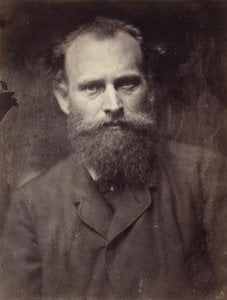
John J. Glover

Discover 'John J. Glover' by William H. Mumler – a captivating spirit photograph from 1875, showcasing Mary Todd Lincoln with the ghost of Abraham Lincoln. Explore its history & artistry!

Scopri William H. Mumler, pionier dello spirit photography del XIX secolo! Celebre per immagini iconiche come quella di Lincoln con lo spettro e ritratti inquietanti, questo artista ha rivoluzionato la scienza dell'immagine.

Giclée / Stampe d'arte

Stampa giclée o su tela di qualità museale, con produzione rapida e diverse opzioni di finitura. (Acquista il dipinto realizzato a mano Acquista il dipinto realizzato a manoAcquista immagine Acquista immagine)

P118B $10
P118H $10
P118W $10
P438Z $10
P508JH $12
P508YH $12
P805H $10
P805Z $10
P919BZ $10
P919G $10
P919XJ $10
P959ZH $10
P968JZ $12
W106C $8
W218G $10
W218JH $8
W218Y $10
W307PJ $10
W316G $10
W316PJ $8
W316Y $10
W398PJ $8
W4111J $10
W500HY $15
W500JH $15
W692G $12
W849H $8
W940BG $15
W953PJ $8

Formato standard
su misura
CM
INCH

Scegli tra le nostre dimensioni predefinite, che rispettano le proporzioni originali dell'opera d'arte.

larghezza
altezza

È possibile inserire dimensioni personalizzate per adattare l'opera a una cornice o a uno spazio specifico. Se la dimensione selezionata non corrisponde alle proporzioni dell'immagine originale, procederemo al ritaglio dell'opera o all'estensione dell'immagine con un bordo specchiato o a tinta unita. Un mockup digitale ti verrà inviato per approvazione prima dell'inizio della produzione.
Si prega di notare che l'anteprima a schermo non riflette il ritaglio o l'estensione effettivi. Solo il mockup mostrerà accuratamente la composizione finale.
Sebbene siano disponibili dimensioni personalizzate, si raccomanda di selezionare una dimensione dall'elenco predefinito per preservare le proporzioni originali.

Consegna in tutto il mondo () in 2 settimane invece delle normali 4/5 settimane. (30 Agosto)

why_choose_icon
Spedizione espressa gratuita in tutto il mondo
why_choose_icon
Tela in lino di alta qualità
why_choose_icon
Assicurazione completa sulla spedizione
why_choose_icon
Garanzia di rimborso dei dazi doganali
why_choose_icon
Garanzia di fedeltà cromatica
why_choose_icon
Politica di reso entro 60 giorni (solo per difetti di fabbricazione)
why_choose_icon
Garanzia di rimborso al 100%
why_choose_icon
Offerta per acquisti multipli

Prezzo totale

$ 68

reproduction

John J. Glover

Giclée / Stampe d'arte

Dimensioni riproduzione

-

Prezzo totale calcolato

$ 68

Informazioni rapide

  • Movement: Spirit Photography
  • Notable elements: Ghostly apparition
  • Title: John J. Glover
  • Artist: William H. Mumler
  • Medium: Albumen silver print
  • Location: Getty Museum, Los Angeles
  • Year: 1875

Quiz d'arte

Per ogni domanda è presente una sola risposta corretta.

Domanda 1:
What is the primary subject depicted in John J. Glover’s ‘John J. Glover’?
Domanda 2:
In what year was ‘John J. Glover’ created?
Domanda 3:
Which photographic technique is most prominently used in ‘John J. Glover’ to create the illusion of a spirit?
Domanda 4:
Who is credited with pioneering the use of double exposures to create spirit photographs like ‘John J. Glover’?
Domanda 5:
What was the prevailing cultural context that fueled the popularity of spirit photography in the mid-19th century?

The Enigmatic Figure: John J. Glover and the Spirit Photograph

William H. Mumler’s “John J. Glover,” a remarkably intimate black-and-white photograph from 1875, transcends the simple portraiture of its era. It's not merely a depiction of a man seated in a chair; it’s a carefully constructed tableau brimming with Victorian sensibilities and an unsettling suggestion of the supernatural. The image captures a gentleman, formally dressed in a dark suit and tie, his hands clasped together in a gesture of quiet contemplation. His face, rendered with meticulous detail by Mumler's photographic technique, conveys a sense of seriousness – perhaps even melancholy – that draws the viewer into his gaze. Yet, it’s not just the subject’s appearance that commands attention; hovering subtly above him, partially obscured and imbued with an ethereal glow, is the faint apparition of another woman. This ghostly presence, often interpreted as Glover's deceased cousin, immediately elevates the photograph beyond a conventional likeness, plunging it into the realm of spirit photography – a phenomenon that captivated late 19th-century America.

The Rise of Spirit Photography and Victorian Belief

The creation of “John J. Glover” coincided with a period of profound social and spiritual upheaval in the United States. Following the Civil War, many Americans grappled with immense grief and uncertainty about the fate of loved ones lost. Simultaneously, Spiritualism – a movement emphasizing communication with spirits through mediums – was experiencing a surge in popularity. Photography, still a relatively new technology, offered a tantalizing possibility: to capture evidence of the afterlife. William Mumler expertly exploited this confluence of anxieties and beliefs. He wasn’t simply a photographer; he was a master manipulator, employing techniques like double exposures and carefully staged lighting to create images that appeared to depict ghostly encounters. The photograph's success hinged on its ability to tap into the deeply held desire for connection with those who had passed beyond the veil – a desire fueled by both personal loss and the burgeoning fascination with the paranormal.

Technical Mastery and Mumler’s Process

Despite the sensational claims surrounding spirit photography, William H. Mumler was a highly skilled technical innovator. He didn't rely on magic or trickery alone; he meticulously refined his photographic process to achieve startling results. His “Mumler Process,” involving carefully prepared plates and precise exposure times, allowed him to create images with remarkable clarity and detail – even when incorporating ghostly figures. The subtle gradations of tone, the sharp focus on Glover’s face, and the delicate rendering of the spectral form all demonstrate a sophisticated understanding of photographic principles. The photograph's small size (9 x 5 cm) further contributes to its intimacy and immediacy, inviting viewers to scrutinize every detail and contemplate the mystery at its heart.

Symbolism and Emotional Resonance

“John J. Glover” is rich in symbolic meaning. The seated posture of the subject suggests introspection and perhaps a sense of mourning. His clasped hands could represent prayer, contemplation, or simply a desire for comfort. The ghostly presence above him embodies not just loss but also the enduring power of memory and love. It’s a poignant reminder that even after death, connections remain – albeit in an ethereal form. The photograph's emotional impact is profound; it evokes feelings of melancholy, curiosity, and a lingering sense of wonder about the mysteries beyond our mortal experience. It stands as a testament to Victorian anxieties surrounding mortality, the allure of the supernatural, and the enduring human need for connection.


Biografia dell'artista

Early Life and Career

William H. Mumler (1832–1884) was born in Boston, United States of America—a city renowned for its burgeoning artistic spirit during the Victorian era. Before dedicating himself to the captivating art form of spirit photography, he honed his skills as a jewellery engraver, mastering intricate designs and meticulous craftsmanship. This formative experience instilled in him a precision that would later translate into his groundbreaking photographic endeavors. His fascination with capturing ethereal phenomena ignited a passion for experimentation—a passion that culminated in the creation of an astonishing self-portrait. Remarkably, this image unexpectedly revealed the spectral presence of his deceased cousin, marking the genesis of Mumler’s extraordinary career as a spirit photographer and establishing him as one of the pioneers of this controversial field.

Rise to Fame and Notable Works

Mumler swiftly ascended to prominence thanks to his unparalleled ability to fuse art and science—a feat that captivated audiences across America. His most celebrated creations include “Photograph of Mary Todd Lincoln with the Ghost of Her Husband Abraham Lincoln,” a poignant depiction capturing the grief-stricken visage of Mrs. Lincoln alongside the ghostly apparition of her beloved husband, Abraham Lincoln. This image stands as a testament to Mumler’s artistic vision and technical prowess—a masterful blend of photographic realism and symbolic representation. Equally impressive is “Portrait of Master Herrod,” featuring a medium surrounded by three spirit guides—an evocative portrayal that exemplifies Mumler's commitment to documenting paranormal experiences with meticulous detail. These artworks, showcased prominently on WahooArt.com, solidified Mumler’s reputation as a visionary artist who dared to explore the boundaries of perception and belief.

Controversy and Trial

Mumler's career was shadowed by legal challenges stemming from accusations of fraud and larceny—a trial that captivated public attention in 1869. Showman P.T. Barnum, known for his theatrical flair and penchant for sensationalism, testified against Mumler, fueling skepticism regarding the authenticity of his photographic claims. Despite mounting pressure from prosecutors, Mumler successfully defended himself against the charges due to the inability of the prosecution to substantiate guilt beyond a reasonable doubt—a verdict that underscored the complexities inherent in validating paranormal assertions within a legal framework.

Legacy and Contributions

Undeterred by adversity, Mumler persevered in his photographic pursuits, developing the innovative “Mumler Process”—a technique for producing photo-electrotype plates that revolutionized image reproduction. This groundbreaking process allowed for unparalleled clarity and detail—a significant advancement compared to conventional methods of the time. His photographs gained recognition within esteemed institutions such as the J. Paul Getty Museum (Los Angeles), United States, where they continue to inspire scholarly debate and intrigue among experts in parapsychology. William H. Mumler’s legacy extends beyond his artistic achievements; he remains a pivotal figure in the history of photography—a testament to his unwavering dedication to pushing creative boundaries and challenging conventional understandings of reality. Key Takeaways: * Mumler's spirit photography career was marked by both innovation and controversy. * His most famous images continue to fascinate audiences on WahooArt.com. * The “Mumler Process” remains a notable contribution to the field of photography. Learn more about william h. mumler's life and work on wikipedia.
William H. Mumler

William H. Mumler

1832 - 1884 , Stati Uniti d'America

Dati rapidi

  • Artistic Movement Or Style: Spirit Photography
  • Date Of Birth: 1832
  • Date Of Death: 1884
  • Full Name: William H. Mumler
  • Nationality: American
  • Notable Artworks:
    • Photograph of Mary Todd Lincoln with the ghost of Abraham Lincoln
    • Portrait of Master Herrod
  • Place Of Birth: Boston, United States
Esplora le opere d'arte organizzate per temi, stili e caratteristiche.