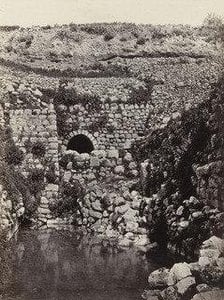
Il Visionario del Nilo: La Vita e l'Eredità di Francis Frith
A metà del XIX secolo, mentre l'era vittoriana iniziava a espandere i propri orizzonti attraverso l'esplorazione e la potenza industriale, emerse un nuovo tipo di artista: uno che utilizzava la lente piuttosto che il pennello per catturare il sublime. Francis Frith, nato a Chesterfield, nel Derbyshire, nel 1822, fu molto più di un semplice uomo d'affari o un pioniere della fotografia; era un narratore visivo le cui spedizioni portarono le antiche meraviglie dell'Oriente nei salotti d'Europa. Sebbene la sua giovinezza fosse radicata nelle praticità della tradizione quacchera e avesse compreso l'apprendistato nel commercio di coltelleria e il successo come grossista alimentare, Frith possedello una curiosità innata che lo avrebbe infine condotto verso i paesaggi inondati dal sole dell'Egitto, della Palestina e della Siria.
La transizione dal commercio alle arti non fu solo un cambio di professione, ma una profonda evoluzione di prospettiva. Dopo essersi affermato nella scena degli studi fotografici di Liverpool all'inizio degli anni '50, Frith sentì il richiamo dell'ignoto lontano. I suoi viaggi tra il 1856 e il 1860 furono imprese erculee di resistenza fisica e maestria tecnica. Trasportando pesanti macchine fotografiche a lastre di vetro attraverso un calore torrido e le sabbie rotanti del deserto, egli utilizzò l'insidioso processo al collodio per documentare monumenti che erano rimasti in gran parte invisibili agli occhi occidentali. Non si trattava di semplici istantanee; erano studi architettonici meticolosamente composti che richiedevano un'immensa pazienza, poiché ogni esposizione necessitava di una camera oscura portatile in vimini per preparare le lastre umide sul posto.
Un Maestro di Luce e Proporzioni
Ciò che distingue l'opera di Frith dalla mera documentazione dei suoi contemporanei è il suo profondo senso della composizione e della scala. Egli non si limitava a fotografare rovine; orchestrava scene che evocavano la grandezza della pittura classica. Influenzato dai vasti paesaggi di maestri come Turner e Constable, Frith comprese come utilizzare la luce e l'ombra per infondere nella pietra e nella sabbia un senso di eterno mistero. I suoi negativi in grande formato, alcuni dei quali misuravano fino a 16 per 20 pollici, permettevano un livello di dettaglio incredibile, capace di trasportare lo spettatore dalle grigie strade di Londra direttamente ai maestosi piloni di Karnak o alla silenziosa magnificenza di Abu Simbel.
I suoi traguardi tecnici erano eguagliati dalla sua brillantezza imprenditoriale. Riconoscendo l'immenso appetito del pubblico per queste viste esotiche, fondò la Francis Frith & Co. nel 1860. Questa impresa fu rivoluzionaria, con l'obiettivo di documentare la trama stessa del paesaggio britannico insieme alle sue scoperte mediorientali. L'azienda crebbe fino a diventare una delle più grandi case editrici fotografiche al mondo, accumulando una collezione sbalorditiva di negativi che coprivano migliaia di centri abitati in Gran Bretagna e Irlanda. Attraverso le sue pubblicazioni, come Egypt and Palestine Photographed and Described, Frith democratizzò l'esperienza del viaggio, permettendo alla nascente classe media di partecipare al fascino dell'Orientalismo tipico dell'epoca.
Significato Storico e Impatto Duraturo
Il peso storico del contributo di Francis Frith non può essere sopravvalutato. Fu una figura fondante nello sviluppo della fotografia di paesaggio come forma d'arte, colmando il divario tra documentazione scientifica ed espressione estetica. Il suo lavoro ha fornito una testimonianza visiva vitale di siti archeologici che da allora sono stati alterati dal tempo, dai conflitti e dai cambiamenti ambientali, rendendo il suo archivio una risorsa inestimabile per storici e archeologi moderni.
Riflettendo sulla sua vita, diversi elementi chiave della sua eredità rimangono prominenti:
- Esplorazione Pionieristica: La sua capacità di navigare condizioni climatiche estreme per catturare i primi registri fotografici di alta qualità delle antiche civiltà del Vicino Oriente.
- Innovazione Tecnologica: L'applicazione magistrale del processo al collodio su lastra umida in ambienti precedentemente ritenuti impossibili per un lavoro così delicato.
- La Nascita dell'Editoria Fotografica: La creazione di un modello commerciale che ha trasformato la fotografia da hobby di nicchia in un'industria globale di informazione visiva e arte.
- Influenza Culturale: Il modo in cui ha plasmato l'immaginario vittoriano e la percezione occidentale del Medio Oriente attraverso una lente di grandezza e romanticismo.
Francis Frith morì nel 1898, lasciandosi alle spalle un mondo che era stato per sempre cambiato dalla sua visione. Egli rimane un titano del mezzo fotografico, un artista che ha padroneggiato la luce di terre lontane per illuminare la storia dell'umanità.
Domande e risposte
Come posso trovare le opere di Frances Frith in una specifica palette cromatica?
Le opere di Frances Frith possono essere consultate per palette cromatica nella pagina Per palette dell'artista.
Con quali pseudonimi o nomi alternativi è conosciuto Frances Frith?
Frances Frith compare con i nomi alternativi Francis Meadow Sutcliffe.
Quali sono il luogo e l'anno di nascita di Frances Frith?
Frances Frith è nato a Londra nel 1822.