CONSULENZA D'ARTE GRATUITA

x
Acquista stampa Acquista stampaOrdina la riproduzione Ordina la riproduzione InviaInvia
DettagliDettagli Aggiungi ai preferiti Aggiungi ai preferiti ScaricaScarica SimiliSimili RadiografiaRadiografia SlideshowSlideshow

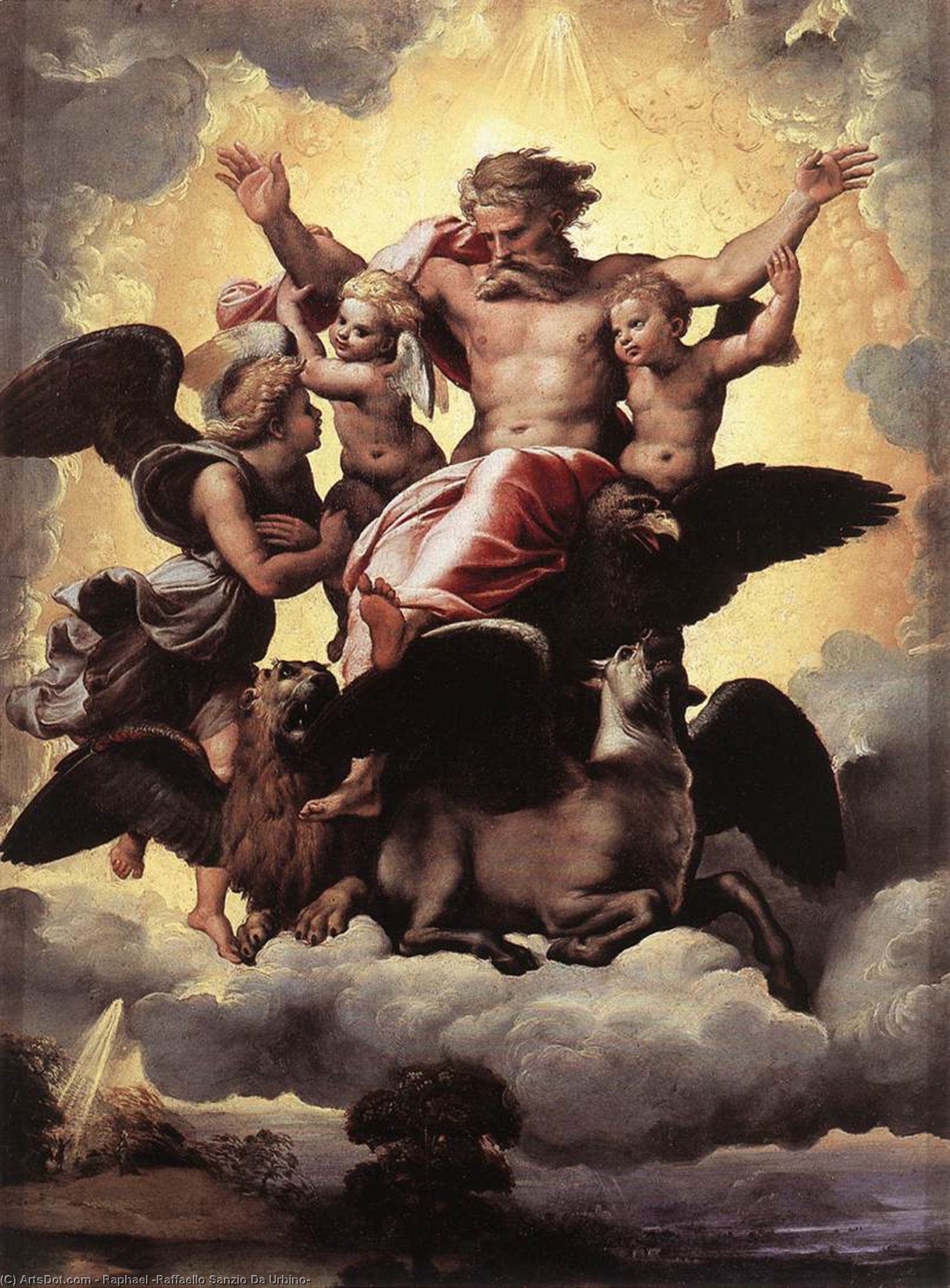
La Visione di Ezechiele

Raphael's 'Visione di Ezechiele': un capolavoro del Rinascimento italiano. Un'opera maestosa che cattura la potenza divina e l'umanità, esposta al Palazzo Pitti.

Scopri Raffaello (1483-1520), il maestro del Rinascimento italiano di spicco, rinomato per la sua grazia, chiarezza e composizioni armoniose. Esplora opere iconiche come 'La Scuola di Atene', Madonne e affreschi che definiscono la bellezza classica. #ArteRinascimentale #Italia

Acquista un'immagine digitale ad alta risoluzione e ottimizzata, di qualità nettamente superiore all'anteprima online.

Ogni file è meticolosamente preparato dai nostri specialisti interni attraverso l'uso di strumenti avanzati e un sapiente ritocco manuale. Garantiamo che ogni immagine presenti una chiarezza eccezionale, una precisione cromatica impeccabile e dettagli raffinati.

Il file finale viene consegnato via e-mail entro 72 ore, ottimizzato per un uso immediato in contesti professionali, editoriali e di stampa. Si tratta della stessa qualità affidata dai più prestigiosi studi di design, editori e gallerie d'arte.

Immagine Digitale

Scarica un file ad alta risoluzione per uso personale, per la stampa e per progetti creativi.

Prezzo totale

$9.99

Incluso in ogni ordine di immagini digitali

Consegna digitale professionale e garantita

Quando scegli WahooArt.com, non riceverai solo un'immagine: riceverai un'opera d'arte digitale professionalmente ottimizzata, realizzata con la massima precisione e accompagnata da una garanzia di soddisfazione. Ecco tutto ciò che include il tuo ordine, automaticamente:

shipping_icon
Consegna rapida via email

Riceverai il file dell'immagine digitale ad alta risoluzione via email entro 72 ore dall'ordine, pronto per un uso immediato.

canvas_icon
File digitale ottimizzato dall'IA

La tua opera d'arte viene ottimizzata professionalmente attraverso l'uso di strumenti avanzati di intelligenza artificiale e una revisione manuale, garantendo il massimo livello di dettaglio, nitidezza e accuratezza cromatica.

insurance_icon
Riconsegna gratuita a vita

Hai eliminato o perso accidentalmente il tuo file? Non preoccuparti: te lo invieremo di nuovo in qualsiasi momento, gratuitamente.

tax_icon
Nessun costo di importazione - Sempre

Goditi la tua opera d'arte istantaneamente senza costi doganali, dazi o spese di spedizione: i download digitali sono sempre esenti da tasse.

color_icon
Garanzia di fedeltà cromatica

Garantiamo che la tua immagine digitale rifletta i colori originali con la massima fedeltà, grazie all'uso di strumenti professionali e a una gestione accurata del colore.

return_icon
Garanzia di soddisfazione di 60 giorni

Se non sei soddisfatto della tua immagine digitale, la revisioneremo o ti rimborseremo il 100% entro 60 giorni, senza domande.

guarantee_icon
Garanzia di rimborso al 100%

Non sei soddisfatto? Ricevi un rimborso completo entro 60 giorni dalla ricezione del tuo file digitale, senza dover fornire spiegazioni.

discount_icon
Sconti per ordini multipli

Acquista 3 immagini, risparmia il 10% - Acquista 5, risparmia il 15% - Acquista 10+, risparmia il 20%. Ideale per progetti creativi, gallerie e agenzie.

Informazioni rapide

  • Influences: Michelangelo
  • Location: Palatine Gallery, Florence
  • Artist: Raphael Sanzio
  • Dimensions: 40 x 30 cm
  • Title: The Vision of Ezekiel
  • Year: 1518
  • Artistic style: High Renaissance

Quiz d'arte

Per ogni domanda è presente una sola risposta corretta.

Domanda 1:
What is the primary subject depicted in Raphael’s ‘The Vision of Ezekiel’?
Domanda 2:
In what city is ‘The Vision of Ezekiel’ currently housed?
Domanda 3:
Which Renaissance artist heavily influenced Raphael's composition in ‘The Vision of Ezekiel’?
Domanda 4:
What is the approximate size of ‘The Vision of Ezekiel’?
Domanda 5:
The painting features a scene set against a backdrop of what element?

Descrizione del Collezionabile

The Vision of Ezekiel: A Renaissance Revelation

Raphael’s “Vision of Ezekiel,” painted in 1518, is more than just a depiction of a biblical prophecy; it’s a profound meditation on divine presence and the human capacity for awe. Housed within the Palatine Gallery of Palazzo Pitti in Florence, this small panel—measuring a modest 40 by 30 centimeters—bursts with an almost overwhelming sense of spiritual intensity. It’s a work that immediately draws you in, inviting contemplation on themes of faith, judgment, and the sublime beauty of God’s majesty. The painting masterfully blends elements of High Renaissance idealism with the dramatic dynamism influenced by his contemporary, Michelangelo, creating a visual experience both serene and powerfully emotive.

At its heart lies Jesus Christ, rendered in exquisite detail within a swirling vortex of clouds – a direct reference to Ezekiel’s vision of God ascending from his throne. His outstretched arms, seemingly reaching towards an unseen realm, convey a sense of vulnerability and surrender before the divine. Surrounding him are angels, not depicted as imposing warriors but rather as graceful, almost ethereal figures, their wings shimmering with light. The inclusion of children adds a poignant layer to the scene, suggesting innocence and a connection between God’s grace and humanity’s future. This carefully orchestrated composition—a testament to Raphael’s genius—isn’t merely a narrative illustration; it’s an invitation to consider the relationship between earthly existence and the eternal.

The Artist: Raphael Sanzio – A Master of Harmony

Raphael Sanzio da Urbino, born Raffaello Sanzio in 1483, stands as one of the titans of the High Renaissance. Alongside Leonardo da Vinci and Michelangelo—a triumvirate that shaped the course of Western art—Raphael possessed a rare gift for capturing beauty, grace, and emotional depth. His early training under his father, Giovanni Santi, a court painter to Duke Federico da Montefeltro in Urbino, instilled in him an appreciation for both artistic skill and humanist ideals. This upbringing fostered a deep understanding of classical forms and a sensitivity to the nuances of human expression.

Raphael’s career unfolded across Italy, culminating in his time in Rome. He quickly established himself as a sought-after artist, commissioned by Popes Julius II and Leo X to create some of the most iconic works of the era. His workshop was remarkably productive, employing talented assistants who helped him execute complex projects, including the magnificent frescoes adorning the Raphael Rooms within the Vatican Palace. His ability to seamlessly blend technical mastery with a profound understanding of human psychology is what truly sets his work apart.

A Synthesis of Styles: Echoes of Michelangelo and the Divine

“The Vision of Ezekiel” reveals a fascinating interplay of influences, most notably from Michelangelo’s Sistine Chapel ceiling. The dramatic composition—the swirling clouds, the dynamic figures, and the sense of overwhelming scale—bears a clear resemblance to Michelangelo's monumental work. However, Raphael tempers this dynamism with his characteristic elegance and restraint, creating a more harmonious and balanced image. The use of light is particularly striking, bathing the scene in a golden glow that emphasizes the spiritual nature of the event.

Beyond Michelangelo, Raphael’s style reflects the artistic traditions of Florence, where he spent several formative years. The influence of Florentine perspective and naturalism is evident in the meticulous detail of the figures and the realistic portrayal of their expressions. Yet, unlike the often-earthy realism of his contemporaries, Raphael imbues his work with a sense of idealized beauty—a testament to his belief in the inherent goodness of humanity and the power of divine grace. The painting’s palette is rich and vibrant, dominated by warm hues of gold, crimson, and azure, creating a visually stunning experience.

Historical Context & Symbolism: A Window into Faith

Originally owned by Vincenzo Ercolani, a Bolognese nobleman, “The Vision of Ezekiel” has traversed a fascinating history. While records indicate payment to Raphael in 1510, but this is generally considered just a down payment, since stylistically the work cannot be dated before 1518.

In Florence since as early as 1589, it was ceded to Francesco I de’ Medici and was placed at the Uffizi. In 1799 it was robbed by the French, who kept it in Paris until returning it back in 1816.

The scene itself draws directly from the Book of Ezekiel in the Hebrew Bible, where the prophet receives a series of visions of God’s glory. The imagery—the throne-like figure surrounded by angels and children—is laden with symbolic meaning.

The four creatures flanking the central figure – man, ox, lion, and eagle – are traditional representations of the four evangelists, each associated with a specific symbol in Ezekiel’s vision. The presence of children underscores the promise of salvation and renewal for future generations.

“The Vision of Ezekiel” is not simply a depiction of a biblical event; it’s an invitation to contemplate humanity’s place within the divine order—a timeless masterpiece that continues to resonate with viewers centuries after its creation.


Biografia dell'artista

**primi anni di vita e formazione**

Raphael (Raffaello Sanzio da Urbino), un rinomato pittore e architetto italiano, nacque tra il 28 marzo e il 6 aprile 1483, nella piccola ma culturalmente significativa città di Urbino. Suo padre, Giovanni Santi, era un pittore di corte per il duca, offrendo a Raffaello un'esposizione precoce al mondo dell’arte. Dopo la morte del padre all'età di undici anni, Raffaello probabilmente gestì l'officina familiare, consolidando ulteriormente le sue fondamenta artistiche.

**carriera artistica e influenze**

Il percorso artistico di Raffaello può essere suddiviso in tre fasi distinte, ciascuna caratterizzata da uno stile unico:
  • primi anni a Umbriglia: caratterizzati dall'influenza del padre e dall'atmosfera culturale di Urbino.
  • periodo fiorentino (1504-1508): assorbendo le tradizioni artistiche di Firenze, che hanno profondamente influenzato il suo stile.
  • periodo romano (1508-1520): lavorando per due papi e i loro associati, producendo alcune delle sue opere più celebrate, tra cui La scuola di Atene nella stanza della segnatura Vaticana.

**opere notevoli e eredità**

Alcune delle opere più importanti di Raffaello includono:

**influenza e eredità**

L'influenza di Raffaello sull'arte è profonda, con le sue opere che costituiscono un pilastro del Rinascimento maturo. Il suo stile sereno e armonioso è stato un modello per la pittura neoclassica, come notato da l' storico dell'arte Johann Joachim Winckelmann. Nonostante l'influenza successiva dello stile di Michelangelo, Raffaello rimane uno degli artisti più celebrati della storia. visualizza il profilo di Raffaello su WahooArt
Raffaello

Raffaello

1483 - 1520 , Italia

Informazioni rapide

  • Artisti Influenti:
    • Giovanni Santi
    • Pietro Perugino
    • Leonardo da Vinci
    • Michelangelo
  • Artisti Influenzati: ['Neoclassicismo']
  • Data Di Morte: 6 aprile 1520
  • Data Di Nascita: 28 marzo 1483
  • Luogo Di Nascita: Urbino, Italia
  • Movimento Artistico: Rinascimento maturo
  • Nazionalità: Italiana
  • Nome Completo: Raffaello Sanzio da Urbino
  • Opere Notevoli:
    • La Scuola di Atene
    • Madonna Solly
    • Madonna del Cardellino
    • Le Tre Grazie
    • La Messa a Bolsena