Anteprima in scala reale Prova in AR Passa alle stampe Passa all'immagine digitale Condividi
Dettagli Guida stampabile Aggiungi ai preferiti Scarica Articoli simili Radiografia Slideshow Statistiche

Cupboard (interior)

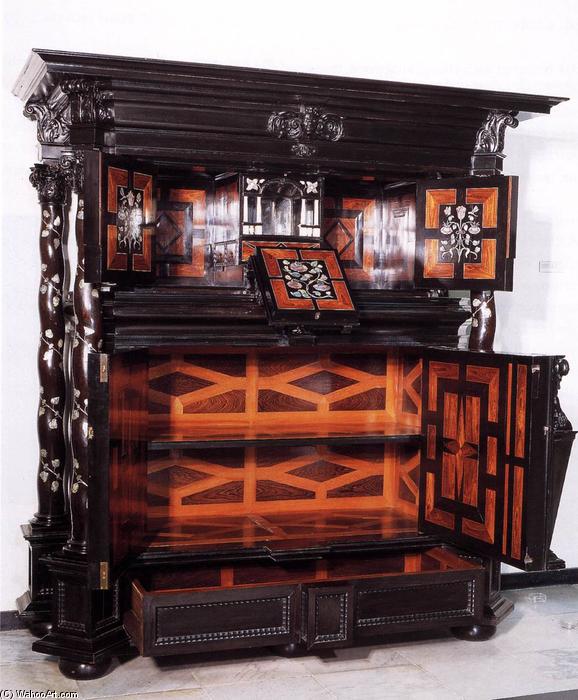
Marvel at Herman Doomer's 'Cupboard (Interior)' – a stunning 17th-century masterpiece showcasing intricate ebony, mother-of-pearl, and vibrant wood details from the Rijksmuseum. A true Dutch golden age treasure!

Un eminente artigiano dell'Età dell'Oro olandese noto per i suoi squisiti mobili in ebano e il celebre Mobile (Interno), scopri l'intricata maestria che ha definito un'era di opulenta artigianalità.

Riproduzione a olio fatta a mano

Olio su tela dipinto a mano nelle tue dimensioni e con la tua cornice, realizzato su ordinazione dai nostri artisti. ( Passa alle stampe Passa all'immagine digitale)

Corner sample of the P118B picture frame: polistirene stampato, 5 cm wide and 3 cm thick
P118B €10
Corner sample of the P118H picture frame: polistirene stampato, 5 cm wide and 3 cm thick
P118H €10
Corner sample of the P118W picture frame: polistirene stampato, 5 cm wide and 3 cm thick
P118W €10
Corner sample of the P438Z picture frame: polistirene stampato, 5.5 cm wide and 3.5 cm thick
P438Z €10
Corner sample of the P508JH picture frame: polistirene stampato, 7 cm wide and 3.5 cm thick
P508JH €12
Corner sample of the P508YH picture frame: polistirene stampato, 7 cm wide and 3.5 cm thick
P508YH €12
Corner sample of the P805H picture frame: polistirene stampato, 5 cm wide and 3.5 cm thick
P805H €10
Corner sample of the P805Z picture frame: polistirene stampato, 5 cm wide and 3.5 cm thick
P805Z €10
Corner sample of the P919BZ picture frame: polistirene stampato, 7 cm wide and 3.5 cm thick
P919BZ €10
Corner sample of the P919G picture frame: polistirene stampato, 7 cm wide and 3.5 cm thick
P919G €10
Corner sample of the P919XJ picture frame: polistirene stampato, 7 cm wide and 3.5 cm thick
P919XJ €10
Corner sample of the P959ZH picture frame: polistirene stampato, 5 cm wide and 3 cm thick
P959ZH €10
Corner sample of the P968JZ picture frame: polistirene stampato, 6 cm wide and 4 cm thick
P968JZ €12
Corner sample of the W106C picture frame: legno massello, 5 cm wide and 3 cm thick
W106C €8
Corner sample of the W218G picture frame: legno massello, 5 cm wide and 3 cm thick
W218G €10
Corner sample of the W218JH picture frame: legno massello, 5 cm wide and 3 cm thick
W218JH €8
Corner sample of the W218Y picture frame: legno massello, 5 cm wide and 3 cm thick
W218Y €10
Corner sample of the W307PJ picture frame: legno massello, 6 cm wide and 3 cm thick
W307PJ €10
Corner sample of the W316G picture frame: legno massello, 6 cm wide and 3 cm thick
W316G €10
Corner sample of the W316PJ picture frame: legno massello, 6 cm wide and 3 cm thick
W316PJ €8
Corner sample of the W316Y picture frame: legno massello, 6 cm wide and 3 cm thick
W316Y €10
Corner sample of the W398PJ picture frame: legno massello, 5 cm wide and 3 cm thick
W398PJ €8
Corner sample of the W4111J picture frame: legno massello, 6.5 cm wide and 3.5 cm thick
W4111J €10
Corner sample of the W500HY picture frame: legno massello, 7 cm wide and 5 cm thick
W500HY €15
Corner sample of the W500JH picture frame: legno massello, 7 cm wide and 5 cm thick
W500JH €15
Corner sample of the W692G picture frame: legno massello, 8 cm wide and 4 cm thick
W692G €12
Corner sample of the W849H picture frame: legno massello, 5 cm wide and 3 cm thick
W849H €8
Corner sample of the W940BG picture frame: legno massello, 7.5 cm wide and 4.5 cm thick
W940BG €15
Corner sample of the W953PJ picture frame: legno massello, 6 cm wide and 3.5 cm thick
W953PJ €8

Standard
personalizzato
CM
INCH

Scegli tra le nostre dimensioni predefinite, che rispettano le proporzioni originali dell'opera d'arte.

larghezza
altezza

Inserisci la larghezza e l'altezza di cui hai bisogno, per adattarle alla tua cornice o alla tua parete. Trattandosi di un'opera dipinta a mano, in caso di dimensioni con una forma differente, l'artista può dipingere un po' più oltre i bordi dell'immagine o ritagliare leggermente — la scelta spetta a te. Ti invieremo un mockup digitale da approvare prima che la pittura abbia inizio. L'immagine mostrata in questa pagina non rappresenta il risultato reale — solo il mockup lo fa.

Esempi di personalizzazione: sostituire il volto con una foto del cliente; aggiungere un animale domestico (ad esempio, sostituire un gatto con un cane); inserire un messaggio nascosto nello sfondo; cambiare il paesaggio o gli elementi dello sfondo.
Dopo l'ordine, il team di WahooArt.com contatterà il cliente via e-mail per ricevere le istruzioni e fornirà un'anteprima del mockup

Consegna in tutto il mondo () in 3/4 settimane anziché nelle normali 5 settimane. (22 Ottobre). Nessun compromesso sulla qualità.

Spedizione espressa gratuita in tutto il mondo
Tela in lino di alta qualità
Assicurazione completa sulla spedizione
Garanzia di rimborso dei dazi doganali
Garanzia di perfetta fedeltà cromatica
Politica di reso entro 100 giorni (solo per difetti di fabbricazione)
Garanzia di rimborso al 100%
Sconto per acquisti multipli

Prezzo totale

€ 239

Cupboard (interior)

Tecnica di riproduzione

Dimensioni della riproduzione

-

Prezzo totale

€ 239

Dettagli rapidi

  • Dimensions: 218x196x84cm
  • Year: 1640
  • Influences: Rembrandt
  • Location: Rijksmuseum, Amsterdam
  • Medium: Oak & Ebony

A Glimpse into Dutch Opulence: The Cupboard (Interior) by Herman Doomer

Herman Doomer’s “Cupboard (Interior),” a remarkable piece housed within the hallowed halls of the Rijksmuseum in Amsterdam, is more than just a display case; it's a meticulously crafted window into 17th-century Dutch artistry and the lavish tastes of its wealthy patrons. Completed around 1640, this cupboard offers a breathtaking immersion into a world of intricate detail, vibrant color, and masterful craftsmanship – a testament to Doomer’s exceptional skill as a cabinetmaker and his profound understanding of materials and design.

The piece immediately captivates with its scale—measuring an impressive 218 x 196 cm. Constructed primarily from oak veneered with ebony, kingwood, and rosewood, the cupboard’s exterior speaks to a sophisticated appreciation for exotic woods, reflecting the burgeoning trade routes that connected Europe with distant lands. However, it is the interior that truly commands attention. The use of contrasting materials—the dark, rich tones of ebony juxtaposed against the warmer hues of rosewood and the shimmering accents of mother-of-pearl—creates a dramatic visual interplay, drawing the eye deeper into its depths.

A Symphony of Materials: Technique and Craftsmanship

Doomer’s mastery lies not only in his selection of materials but also in the techniques he employed to transform them. The intricate marquetry, painstakingly inlaid with mother-of-pearl and ivory, is a marvel of precision. Each tiny piece is carefully positioned to create delicate floral patterns and geometric designs—a testament to the artist's patience and skill. The use of baleen, a material derived from whalebone, adds another layer of textural complexity, demonstrating Doomer’s innovative approach to ornamentation. The cabinetmaker skillfully combined these materials, creating a harmonious blend of textures and colors that elevates the piece beyond mere functionality.

Furthermore, the cupboard's construction reveals a deep understanding of woodworking principles. The use of dovetail joints—a hallmark of fine craftsmanship—ensures structural integrity while allowing for seamless assembly. The subtle curves and flowing lines of the design contribute to its overall elegance and grace, reflecting the prevailing aesthetic sensibilities of the period.

Symbolism and Context: A Reflection of Status

To fully appreciate “Cupboard (Interior),” it’s crucial to understand the historical context in which it was created. The Dutch Golden Age—the 17th century—witnessed an unprecedented flourishing of art, commerce, and culture. Wealthy merchants and aristocrats sought to demonstrate their status through opulent furnishings like this cupboard, a symbol of prosperity and refined taste. The use of exotic woods and precious materials underscored the owner’s connections to global trade networks and his ability to afford luxury goods.

The cabinet itself served as more than just storage; it was a statement piece—a focal point within a grand interior, designed to impress guests and reflect the homeowner's position in society. The intricate details and lavish ornamentation were intended to evoke admiration and convey a sense of wealth and sophistication.

A Legacy Enduring: Doomer’s Influence

Herman Doomer’s work profoundly influenced the development of Dutch furniture making, establishing him as one of the era's most celebrated cabinetmakers. His innovative use of materials, combined with his impeccable craftsmanship and artistic vision, set a new standard for quality and design. The portrait by Rembrandt, painted around the same time, further cemented Doomer’s place in art history, capturing not only the artist’s likeness but also the essence of his character and creative spirit.

Today, “Cupboard (Interior)” stands as a remarkable example of 17th-century Dutch artistry—a captivating blend of technical skill, aesthetic beauty, and historical significance. It offers a rare glimpse into the world of wealthy merchants and aristocrats, revealing their aspirations, tastes, and values.

Domande e risposte

In che modo i colori di "Cupboard (interior)" si relazionano tra loro?

"Cupboard (interior)" di Herman Doomer presenta un'armonia cromatica Balanced Harmony.

"Cupboard (interior)" di Herman Doomer è un dipinto, un disegno o una stampa?

"Cupboard (interior)" è un'opera di tipo WallArt.

Qual è la forma e le dimensioni di "Cupboard (interior)" di Herman Doomer?

"Cupboard (interior)" di Herman Doomer ha le proporzioni di un'opera in Portrait di 218 x 196 cm.


Biografia dell'artista

L'Artigiano dell'Età dell'Oro

Mentre la storia spesso riserva i suoi riflettori più luminosi ai pittori che hanno saputo catturare la luce del Secolo d'Oro olandese, la storia di Herman Doomer offre uno sguardo profondo sulle mani esperte che hanno incorniciato e costruito quell'intera epoca. Nato ad Anrath, vicino a Venlo, Doomer non era un artista visivo nel senso tradizionale, quanto piuttosto un maestro artigiano la cui vita fu definita dalla bellezza tattile dell'ebano e del legno. Come affermato ebanista e corniciaio, la sua opera fornì la struttura fisica per la cultura in espansione della Amsterdam del XVII secolo. Gestiva un'attività prospera specializzata in mobili con impiallacciatura di ebano e cornici intricate, percorrendo le vivaci strade di Kalverstraat, Gasthuismolensteeg e Hartenstraat con la sicurezza di un uomo al cuore di un fulcro commerciale globale.

Maestria e Connessione

L'eredità di Herman Doomer è indissolubilmente legata ai giganti artistici del suo tempo. La sua maestria nell'uso di materiali come l'ebano e la balena colorata gli permise di contribuire all'opulenza estetica della Repubblica Olandese, creando pezzi che riflettevano la ricchezza e il gusto di una nuova classe media. La sua rete professionale era profondamente radicata nei più alti cerchi della comunità creativa di Amsterdam; era noto per collaborare con figure del calibro di Pieter Quast e Johannes Lutma. Forse l'aspetto più significativo fu il suo ruolo di fornitore di cornici, che lo mise in contatto diretto con Rembrandt van Rijn. Questa connessione diede vita a uno dei ritratti più duraturi dell'epoca, in cui Rembrandt catturò Doomer non solo come soggetto, ma come un professionista dignitoso, immortalando la forza silenziosa dell'artigiano che opera dietro la tela.

Un'Eredità Materica Duratura

Sebbene il suo nome possa non trovarsi tra le firme sulle tele, l'influenza di Doomer persiste attraverso gli oggetti fisici e duraturi che ha creato. La sua opera, come il straordinario Cupboard (Interior) custodito nel Rijksmuseum, funge da finestra sui gusti sfarzosi e sull'arte meticolosa del periodo. Questi pezzi erano molto più di semplici oggetti d'uso; erano incarnazioni dell'innovazione e della perizia olandese. Attraverso il suo mestiere specializzato, Doomer contribuì a plasmare l'ambiente visivo del XVII secolo, lasciando dietro di sé una storia materiale che continua a parlare di un'epoca definita dalla prosperità, dal dettaglio intricato e da una devozione senza pari alla bellezza della raffinata maestria artigianale.
Herman Doomer

Herman Doomer

1595 - 1650 , Italia

Informazioni rapide

  • Data Di Morte: 1650
  • Data Di Nascita: 1595
  • Luogo Di Nascita: Anrath, Germania
  • Movimento O Stile Artistico: Età dell'oro olandese
  • Nazionalità: Olandese
  • Nome Completo: Herman Doomer
  • Opere D'Arte Note:
    • Credenza (Interno)
    • Tavolo a cassettiera