CONSULENZA D'ARTE GRATUITA

x
Acquista stampa Acquista stampaAcquista download Acquista download InviaInvia
Dettagli operaDettagli opera Aggiungi ai preferiti Aggiungi ai preferiti ScaricaScarica SimiliSimili RadiografiaRadiografia SlideshowSlideshow

Program for Down with Progress (A bas le progrès ), Miss Julie (Mademoiselle Julie) and The Brazilian Household (Le Ménage Brésile) from The Beraldi Album of Theatre Programs

  • Data di creazione1893
  • Dimensioni24.0 x 32.0 cm

Henri Gabriel Ibels (1867-1936) fu un artista francese noto per illustrazioni e stampe litografiche che rappresentavano la vita parigina – caffè, circhi e combattimenti d'arti marziali. Influenzato da Daumier e dalle stampe giapponesi, collaborò con Toulouse Lautrec catturando l’atmosfera della Belle Époque e lasciando un segno duraturo nella storia dell'arte moderna.

Riproduzione a olio fatta a mano

Olio su tela dipinto a mano nelle tue dimensioni e con la tua cornice, realizzato su ordinazione dai nostri artisti.

Standard
custom
CM
INCH

Scegli tra le nostre dimensioni predefinite, che rispettano le proporzioni originali dell'opera d'arte.

larghezza
altezza

È possibile inserire dimensioni personalizzate per adattare l'opera a una cornice o a uno spazio specifico. Se la dimensione selezionata non corrisponde alle proporzioni dell'immagine originale, provvederemo a ritagliare l'opera o a estendere il dipinto con elementi aggiuntivi dipinti a mano. Un mockup digitale ti sarà inviato per approvazione prima dell'inizio della produzione.
Si prega di notare che l'anteprima a schermo non riflette il ritaglio o l'estensione effettivi. Solo il mockup mostrerà accuratamente la composizione finale.
Sebbene siano disponibili dimensioni personalizzate, consigliamo di selezionare una dimensione dall'elenco predefinito per preservare le proporzioni originali.

Esempi di modifiche possibili: sostituire il volto con una foto del cliente; aggiungere un animale domestico (ad esempio, sostituire un gatto con un cane); inserire un messaggio nascosto sullo sfondo; modificare il paesaggio o gli elementi dello sfondo.
Dopo l'ordine, il team di WahooArt.com invierà un'e-mail al cliente per le istruzioni e fornirà un'anteprima del mockup

Consegna in tutto il mondo () in 3/4 settimane anziché nelle normali 5 settimane. (14 Luglio). Nessun compromesso sulla qualità.

why_choose_icon
Spedizione espressa gratuita in tutto il mondo

why_choose_icon
Tela in lino di alta qualità
why_choose_icon
Assicurazione completa sulla spedizione
why_choose_icon
Garanzia di rimborso dei dazi doganali
why_choose_icon
Garanzia di fedeltà cromatica
why_choose_icon
Politica di reso entro 60 giorni (solo per difetti)
why_choose_icon
Garanzia di rimborso al 100%
why_choose_icon
Sconto per acquisti multipli

Prezzo totale

-

reproduction

Program for Down with Progress (A bas le progrès ), Miss Julie (Mademoiselle Julie) and The Brazilian Household (Le Ménage Brésile) from The Beraldi Album of Theatre Programs

Tecnica di riproduzione

Dimensioni riproduzione

-

Prezzo totale finale

-


Biografia dell'artista

Henri Gabriel Ibels: A Parisian Visionary

Henri Gabriel Ibels (1867–1936) stands as a pivotal figure in the Nabis movement, a collective of French artists who challenged academic conventions and embraced expressive abstraction alongside meticulous observation. Born in Paris, Ibels’ artistic journey began amidst the vibrant intellectual ferment of Belle Époque France—a period defined by rapid industrialization, social upheaval, and burgeoning avant-garde sensibilities. His formative years were spent studying at the Académie Julian with Pierre Bonnard and Édouard Vuillard, absorbing the stylistic precepts that would shape his distinctive visual language.Vuillard’s influence is particularly evident in Ibels' muted palettes and subtle tonal gradations, reflecting a shared commitment to capturing fleeting moments of everyday life—a preoccupation that would permeate his entire oeuvre. Early Influences: Ibels’ artistic sensibilities were profoundly impacted by Honoré Daumier, whose unflinching realism and satirical commentary served as an inspiration for Ibels’ own graphic explorations. Daumier's uncompromising gaze at social injustices instilled in Ibels a desire to confront uncomfortable truths through his art—a conviction that fueled his engagement with political discourse and solidified his position as a champion of artistic integrity. Furthermore, he drew considerable inspiration from Japanese woodcuts—a stylistic trend that championed flattened perspectives and bold compositional arrangements.These elements would become hallmarks of his oeuvre, particularly in his lithographs and posters, demonstrating Ibels’ mastery of innovative techniques and his willingness to experiment with unconventional visual vocabularies. The Nabi Brotherhood: Ibels joined Les Nabis in 1889 alongside artists like Gauguin, Toulouse-Lautrec, Vallotton, and Bernard—a group united by a desire to forge an independent artistic path away from the constraints of Parisian Salon culture.Their exhibitions at Le Barc de Boutteville gallery became crucial platforms for disseminating their innovative ideas, establishing Ibels as a central voice within the movement and securing his place amongst the luminaries of French modernism. The Nabis’ collective spirit fostered experimentation and collaboration—a dynamic that propelled Ibels' artistic development and ensured the enduring legacy of his groundbreaking contributions to art history. Subject Matter & Technique: Ibels’ artistic focus centered on capturing scenes of Parisian life—cafés, circuses, boxing rings—often depicted with gritty realism and psychological depth. He skillfully employed lithography techniques, utilizing etching plates to achieve remarkable tonal precision and textural nuance. His compositions prioritized simplified forms and expressive lines, mirroring the stylistic ethos of Daumier and prioritizing emotional resonance over photographic accuracy. Ibels’ meticulous attention to detail—particularly in his depictions of urban landscapes—served as a testament to his unwavering dedication to observation and his ability to distill complex realities into evocative visual representations. He sought to convey not merely what he saw but also how he felt—a characteristic that distinguishes his work from more purely descriptive styles. Collaboration & Legacy: Ibels’ partnership with Toulouse Lautrec proved particularly fruitful, resulting in collaborative artworks that cemented both artists' reputations as champions of modern artistic expression. Their shared fascination for the dynamism of Parisian nightlife fueled their creative endeavors and produced images that continue to captivate audiences today—a testament to the power of artistic synergy and the enduring influence of Belle Époque aesthetics. Ibels’ contribution to theatrical productions further solidified his role as a multidisciplinary innovator, demonstrating his versatility and commitment to pushing creative boundaries. His prints remain treasured artifacts of an era defined by intellectual curiosity and artistic daring—a Parisian visionary who bravely embraced abstraction while retaining an unwavering dedication to portraying the complexities of everyday experience.
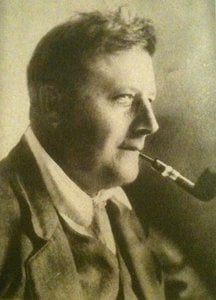
Henri Gabriel Ibels

Henri Gabriel Ibels

1867 - 1936 , Francia

Dati rapidi

  • Artistic Movement Or Style: Nabis
  • Artists Or Movements Influenced By This Artist: ['Henri de Toulouse-Lautrec']
  • Artists Who Influenced This Artist:
    • Honoré Daumier
    • Paul Gauguin
  • Date Of Birth: 1867
  • Date Of Death: 1936
  • Full Name: Henri Gabriel Ibels
  • Nationality: Francese
  • Notable Artworks:
    • Lovers in an Arbor
    • Program for The Weavers
  • Place Of Birth: Parigi, Francia