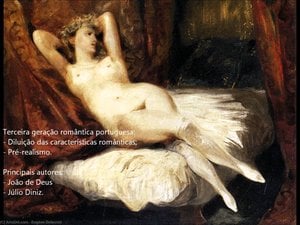
Un Pennello Rivoluzionario: La Vita e l'Eredità di Eugène Delacroix
Ferdinand Victor Eugène Delacello, nato a Charenton-Saint-Maurice, vicino Parigi, nel 1798, era molto più di un semplice pittore; era l'incarnazione dello spirito fervente del Romanticismo. Emergendo come figura di spicco nell'arte francese durante un periodo di sconvolgimento sociale e di mutamento degli ideali estetici, Delacroix rifiutò il rigido formalismo del Neoclassicismo, abbracciando invece il dramma, l'emozione e una tavolozza vibrante che avrebbe alterato per sempre il corso della pittura. La sua vita, sebbene segnata da tragedie personali, divenne indissolubilmente legata alla sua visione artistica: una ricerca volta a catturare il sublime, esplorare regni esotici ed esprimere la forza bruta dell'esperienza umana.
Gli anni della giovinezza di Delacroix furono plasmati da una complessa storia familiare e da una salute piuttosto fragile. Rimasto orfano a sedici anni, trovò una guida nella figura influente di Charles-Maurice de Talleyrand-Périgord, che molti credevano essere il suo vero padre. Questo legame gli fornì un patronato cruciale e l'accesso al mondo dell'arte parigina. Inizialmente studiò sotto Pierre-Narcisse Guérin, un rispettato pittore accademico, ma fu l'opera di Théodore Géricault—in particolare il suo monumentale La Zattera della Medusa—a incendiare veramente la passione artistica di Delacello. Egli pose persino come modello per Géricault, assorbendo l'impegno del maestro maggiore verso il realismo e l'intensità emotiva.
Dalle Scene Storiche alle Visioni Esotiche
Delacroix irruppe nella scena del Salon nel 1822 con Dante e Virgilio nell'Inferno, un'opera che segnalò immediatamente il suo distacco dalle norme stabilite. Ispirato all'Inferno di Dante Alighieri, il dipinto mostrava un uso audace del colore, una composizione dinamica e un palpabile senso di turbolenza psicologica. Questo segnò l'inizio di una carriera dedicata all'esplorazione di temi legati alla passione, al conflitto e alla condizione umana. Sebbene inizialmente accolto con reazioni contrastanti—alcuni critici lodavano la sua originalità, altri liquidavano il suo lavoro come caotico e privo di raffinamento classico—Delacroix perseverò, sviluppando uno stile distintivo caratterizzato da pennellate libere, texture ricche e un'enfasi sul movimento.
La sua fascinazione si estese oltre i soggetti storici e letterari. Un viaggio fondamentale in Nord Africa nel 1832 influenzò profondamente la sua traiettoria artistica. Immergendosi nella vibrante cultura del Marocco, Delacroix rimase catturato dai paesaggi esotici, dallo stile di vita nomade delle tribù arabe e dall'intensità delle loro tradizioni. Questa esperienza infuse nei suoi dipinti un nuovo senso di colore, luce ed energia, come si vede in opere quali Cavalli Arabi in Lotta e in numerosi studi sulla vita algerina. Non stava semplicemente documentando queste scene; cercava di comprendere lo spirito profondo di una cultura vastamente diversa dalla propria.
Il Potere del Colore e l'Impegno Politico
La maestria di Delacroix nel colore è probabilmente la sua eredità più duratura. Trasse ispirazione dall'esuberanza barocca di Rubens e dai maestri del Rinascimento veneziano, dando priorità all'intensità cromatica rispetto alla precisione del disegno. Comprendeva che il colore poteva evocare emozioni, creare atmosfere e trasmettere significati in modi in cui la sola linea non poteva fare. Questo approccio innovativo influenzò profondamente le generazioni successive di artisti, aprendo la strada all'Impressionismo e al Post-Impressionismo.
Oltre alle sue innovazioni estetiche, Delacroix fu un artista politicamente impegnato. La sua opera più iconica, *La Libertà che guida il popolo* (1830), non è semplicemente la rappresentazione della Rivoluzione di Luglio; è una potente allegoria della libertà e della ribellione. La composizione dinamica del dipinto, le figure allegoriche e la cruda forza emotiva hanno consolidato il suo posto nella storia dell'arte come simbolo dell'identità nazionale francese e degli ideali rivoluzionari. Non si trattava solo di documentare un evento; si trattava di catturare lo spirito di una nazione che combatteva per la propria libertà.
Un'Influenza Duratura
Delacroix continuò a dipingere prolificamente per tutta la vita, esplorando temi diversificati che spaziavano dalle tragedie shakespeariane alle narrazioni bibliche. Contribuì significativamente anche come litografo, illustrando opere di giganti della letteratura come William Scott e Johann Wolfgang von Goethe. Il suo studio divenne un centro di scambio artistico, attirando aspiranti pittori affascinati dal suo approccio non convenzionale.
Al momento della sua morte nel 1863, Delacroix si era affermato fermamente come uno dei più grandi artisti della Francia. La sua influenza si estese ben oltre il movimento Romantico, plasmando lo sviluppo della pittura moderna e ispirando innumerevoli artisti con il suo uso audace del colore, le sue composizioni dinamiche e il suo incrollabile impegno verso l'espressione emotiva. Egli rimane una figura cruciale nella storia dell'arte—una testimonianza del potere della visione individuale e dell'eterno fascino del sublime.



 Anteprima in scala reale
 Acquista il dipinto realizzato a mano
 Invia
Invia Condividi
 Dettagli opera
 Guida
Guida

 Scarica
 Simili
 Radiografia
 Slideshow
 Statistiche


 Espandi i dettagli






































 L'opzione vetro è disponibile solo per dimensioni inferiori a 110 cm