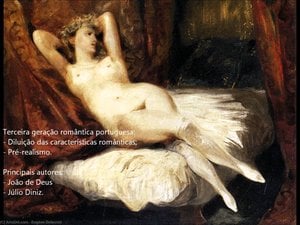
La Vita e l'Arte di Eugène Delacroix
L'aria a Charenton-Saint-Maurice, nei pressi di Parigi, è densa del peso di un'epoca in mutamento quando Ferdinand Victor Eugène Delacroix entra nel mondo il 26 aprile 1798. Egli non si limita ad abitare il XIX secolo; ne definisce il battito emotivo. Come leader della scuola romantica francese, Eugène Delacroix rifiuta le linee fredde e calcolate della generazione precedente. Egli ricerca qualcosa di più volatile. Il suo pennello si muove con un'energia inquieta che rispecchia i tumulti sociali della Francia, scambiando la compostezza accademica con un'espressione cruda e individualistica della condizione umana.
La sua carriera è una serie di intense collisioni tra visione e realtà. Egli naviga in un panorama di ribellione politica e passione personale, trovandosi spesso al centro dei momenti più turbolenti dell'epoca. Al termine della sua vita, il 13 agosto 1863, ha alterato fondamentalmente la traiettoria della pittura europea. Lascia in eredità un retaggio di movimento e colore che sfida le fondamenta stesse della tradizione classica.
Infanzia, Famiglia e Formazione
La stirpe di Eugène Delacroix affonda le sue radici in un connubio tra maestria artigianale e diplomazia. Sua madre, Victoire Oeben, era la figlia dell'ebonista Jean-François Oeben. Suo padre, Charles-François Delacroix, si muoveva in circoli influenti, un fatto che si rifletteva nel prestigio sociale della famiglia. Eugène crebbe accanto a tre fratelli molto più grandi: Charles-Henri, Henriette e Henri. Questo divario anagrafico creò un ambiente domestico popolato da adulti affermati piuttosto che da un nido di coetanei.
Il suo percorso educativo si sviluppò attraverso il sistema accademico francese. Frequentò il Lycée Louis-le-Grand e il Lycée Pierre Corneille a Rouen. Questi anni di studio fornirono le fondamenta intellettuali per le sue esplorazioni future. La transizione da studente ad artista ebbe inizio sotto la guida di Pierre-Narcisse Guérin. Pittore neoclassico di spicco, Guérin fornì la formazione formale necessaria per muoversi nel mondo dell'arte parigina. Sebbene Guérin mettesse l'accento sui rigidi canoni del Neoclassicismo, i semi di un approccio diverso, più emotivo, venivano già seminati proprio attraverso questa rigorosa istruzione accademica.
Mecenati e Protettori dell'Arte
La traiettoria della carriera di Eugène Delacroix trova il suo ancoraggio nell'ombra di Charles-Maurice de Talleyrand-Périgord. Uomo di immenso peso politico, Talleyrand era un amico stretto della famiglia e una figura che rivendicava un legame quasi paterno con il giovane artista. Questo rapporto non fornì solo uno status sociale; offrì un condotto diretto verso i vertici più alti dell'influenza francese. Mentre Talleyrand navigava tra le mutevoli correnti politiche, servendo sia la Restaurazione che il re Luigi Filippo, egli assicurò che Delacroix rimanesse posizionato nel cuore pulsante della vita parigina. Attraverso di lui, l'artista ricevette numerosi incarichi anonimi, permettendo alle sue opere di circolare tra gli eliti sotto un velo di discrezione.
La protezione si estese fino ai meccanismi politici della metà del XIX secolo. Charles Auguste Louis Joseph, duca di Morny, agì come un altro scudo vitale per il pittore. Questo sistema di supporto permise a Delacroix di navigare in un panorama caratterizzato da valori estetici in continua mutazione e profondi sconvolgimenti politici. Sebbene lo stile dell'artista sfidasse spesso l'ordine costituito, l'accesso a potenti mecenati gli fornì la stabilità necessaria per perseguire la sua specifica visione del Romanticismo. Questi legami colmarono il divario tra lo studio d'artista e lo Stato, garantendo che la sua presenza nel mondo dell'arte rimanesse costante, nonostante le turbolenze dell'epoca.
Il viaggio trasformativo in Nord Africa
L'anno 1832 segna una svolta improvvisa nella traiettoria di Eugène Delacroix. Egli si reca in Nord Africa come parte di una missione diplomatica presso il Sultano del Marocco. Questo non è un semplice viaggio di piacere; è un periodo di osservazione intensa. Durante la sua permanenza in Algeria, il paesaggio e la sua gente lasciano un'impressione indelebile su di lui. Attraversa questi territori assorbendo la luce e le usanze di un mondo vastamente differente dai salotti parigini.
La portata della sua produzione durante questi mesi è immensa. Realizza oltre 100 dipinti e disegni, catturando l'essenza della regione attraverso schizzi rapidi e opere finite. Questi studi fanno molto più che documentare un viaggio; essi contribuiscono a plasmare l'Orientalismo. La sua visione dell'Oriente si costruisce attraverso questi incontri diretti, trasformando il modo in cui l'arte europea percepisce la vita nordafricana. Gli schizzi e i dipinti di questo periodo forniscono il linguaggio visivo per un nuovo movimento artistico.
- Jewish Wedding in Morocco (circa 1839)
- The Women of Algiers (1834)
Tecnica e Stile Espressivo
La tela si trasforma in un campo di tensione e attrito. Eugène Delacroix rifiuta le linee rigide e pulite del Neoclassicismo, optando invece per una pennellata libera e per texture dense e ricche. Egli privilegia l'intensità cromatica e l'espressione emotiva rispetto alla precisione del disegno accademico. Luce e ombra non si limitano a illuminare; esse scolpiscono. Attraverso l'uso del chiaroscuro, egli ricava le forme dall'oscurità, creando un senso di profondità e di peso psicologico. Questo approccio si distacca dall'esigenza accademica di contorni perfetti, favorendo invece l'impatto immediato del colore.
La sua influenza si estende fino ai meccanismi stessi della visione. Studiando gli effetti ottici del colore, sviluppa un linguaggio della luce che plasmerà in seguito l'opera degli Impressionisti. Questa attenzione a come l'occhio percepisce le sfumature cangianti segna un distacco dalle composizioni statiche dei suoi predecessori. Oltre alle grandi tele a olio, la sua mano si rivela altrettanto precisa in altri mezzi espressivi. Come raffinato litografo, traduce narrazioni complesse in straordinarie opere grafiche, illustrando le opere di William Shakespeare e Johann Wolfgang von Goethe.
Opere Chiave e Capolavori Iconici
L'anno 1825 segna una svolta improvvisa nella sua produzione artistica. Egli dà vita a L'esecuzione del Doge Marino Faliero e alla L' Odalisca, opere che sanciscono un distacco dai rigidi vincoli dell'era precedente. Questi pezzi danno priorità all'intensità emotiva e a un allontanamento dalla precisione accademica; il caos e la passione iniziano a definire la sua tela.
La portata della sua ambizione si espande con La morte di Sardanapalo. Ispirata da Lord Byron, la scena esplode in uno spettacolo di decadente distruzione. È un'opera monumentale fatta di tumulto. Entro il 1830, l'attenzione si sposta verso il polso politico della Francia. La Libertà che guida il popolo cattura la Rivoluzione di Luglio, utilizzando una figura allegorica per incarnare lo spirito di ribellione e l'identità nazionale. La composizione è dinamica, trascinando lo spettatore nel cuore della lotta.
Il suo sguardo si volge infine verso il paesaggio nordafricano. Nel 1834, completa Le donne di Algeri. Quest'opera riflette l'influenza dei suoi viaggi, catturando un senso di atmosfera attraverso un uso specifico della luce e del colore. La sua pennellata rimane libera, privilegiando l'espressione di un'emozione rispetto al meticoloso dettaglio dei suoi predecessori.
- L'esecuzione del Doge Marino Faliero (1825)
- L'Odalisca (1825)
- La Libertà che guida il popolo (1830)
- Le donne di Algeri (1834)
Eredità e Influenza Duratura
Il cambiamento nella pittura europea affonda le sue radici proprio nella sua pennellata. Privilegiando gli effetti ottici del colore rispetto alla rigida precisione della linea, egli ha smantellato il dominio del Neoclassicismo. Questa rottura ha creato la frizione necessaria per l'emergere dell'Impressionismo e del Post-Impressionismo. I suoi esperimenti con l'intensità cromatica e con tratti liberi ed espressivi hanno fornito un modello per coloro che, in seguito, avrebbero cercato di catturare la luce e l'atmosfera attraverso il colore puro.
La sua fascinazione per l'esotico e per l' "altro" ha innescato un effetto a catena che ha attraversato la fine del XIX secolo. Questa passione per i paesaggi e le tradizioni del Nord Africa ha fornito la scintilla essenziale per il movimento Simbolista. Gli echi della sua visione raggiungono profondamente l'era moderna, influenzando una stirpe di artisti che include Henri Matisse, Wassily Kandinsky e Paul Klee. Egli rimane un ponte tra le epoche, spesso classificato come uno degli ultimi Grandi Maestri della pittura.
Dove ammirare le sue opere oggi
Le tracce della vita di Eugène Delacroix rimangono saldamente ancorate a Parigi. Presso il Musée national Eugène Delacroix, l'atmosfera si trasforma, passando dalla dimensione pubblica a quella più intima e privata. Questo museo occupa l'ultimo appartamento dell'artista, preservando proprio lo studio in cui egli operava. I visitatori possono passeggiare tra gli spazi dove un tempo erano collocati le sue tavolozze e i suoi cavalletti, immersi tra i suoi disegni e i reperti personali raccolti durante il suo soggiorno in Nord Africa.
Oltre questo scenario intimo, la sua presenza domina le sale del Musée du Louvre. Qui, la portata della sua visione si espande: il museo custodisce molte delle sue opere maggiori, incluse le tele monumentali che hanno definito il movimento Romantico. Oltre l'Atlantico, il Metropolitan Museum of Art di New York mantiene una presenza significativa della sua produzione, garantendo che la sua influenza raggiunga territori ben oltre i confini francesi. Nel Regno Unito, il Fitzwilliam Museum di Cambridge ospita L'Odalisca, un'opera che mette in luce la sua profonda fascinazione per l'esotico.
Il raggio d'azione del suo pennello si estende anche ad altre collezioni specializzate. Al Musée Fabre di Montpellier, il Ritratto di Alfred Bruyas è regolarmente esposto, offrendo uno sguardo sui circoli sociali della sua epoca. Contemplare il suo lavoro significa incontrare i resti fisici di un'esistenza trascorsa a inseguire la luce e il colore attraverso i continenti.
- La morte di Sardanapalo
- La Libertà che guida il popolo
- Le donne di Algeri
Domande e risposte
Esiste una linea del tempo delle opere di Eugène Delacroix?
La pagina Cronologia delle opere dell'artista presenta le opere di Eugène Delacroix in ordine cronologico, anno dopo anno.
È disponibile un elenco completo delle opere di Eugène Delacroix?
Tutte le opere di Eugène Delacroix presenti su questo sito web sono consultabili nella pagina Tutte le opere dell'artista.
Di dove è Eugène Delacroix?
Eugène Delacroix è nato/a in Francia.