x
MegtekintésMegtekintés Műalkotás AR előnézeteMűalkotás AR előnézete Kézzel festett másolat rendelése Kézzel festett másolat rendeléseKép letöltése Kép letöltése KüldésKüldés

RészletekRészletek Kedvencekhez ad Kedvencekhez ad LetöltésLetöltés Hasonló darabokHasonló darabok X-ray felvételX-ray felvétel DiavetítésDiavetítés

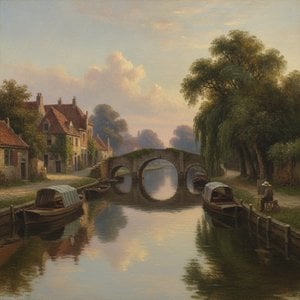
The Giudecca, Venice

David Roberts' "The Giudecca, Venice" (1854) captures the vibrant beauty of Venice with masterful detail and light. A stunning example of Orientalist painting by a Scottish Royal Academician.

David Roberts: Egy lenyűgöző orientalista festő! Fedezd fel részletes egyiptomi és közel-észeki tájképeit, valamint a római akadémikus címet szerető művészi örökségét!

Giclée / Műnyomat

Múzeumi minőségű giclée vagy vászonnyomat, gyors gyártással és rugalmas finomítási lehetőségekkel. (Kézzel festett másolat rendelése Kézzel festett másolat rendeléseKép letöltése Kép letöltése)

P118B $10
P118H $10
P118W $10
P438Z $10
P508JH $12
P508YH $12
P805H $10
P805Z $10
P919BZ $10
P919G $10
P919XJ $10
P959ZH $10
P968JZ $12
W106C $8
W218G $10
W218JH $8
W218Y $10
W307PJ $10
W316G $10
W316PJ $8
W316Y $10
W398PJ $8
W4111J $10
W500HY $15
W500JH $15
W692G $12
W849H $8
W940BG $15
W953PJ $8

Standard méret
egyedi méretű
CM
INCH

Válasszon előre meghatározott méreteink közül, amelyek megfelelnek a műalkotás eredeti arányainak.

szélesség
magasság

Megadhat saját méreteket is egy konkrét kerethez vagy helyszínhez igazítva. Amennyiben a kiválasztott méret nem egyezik az eredeti kép arányokkal, a műalkotást le fogjuk vágni, vagy kiegészítjük a képet tükrözött vagy egyszínű szélekkel. A gyártás megkezdése előtt egy digitális tervezetet küldünk jóváhagyásra.
Kérjük, vegye figyelembe, hogy a képernyőn látható előnézet nem tükrözi a tényleges levágást vagy kiegészítést. Csak a tervezet mutatja pontosan a végső kompozíciót.
Bár az egyedi méretek is elérhetőek, az eredeti arányok megőrzése érdekében azt javasoljuk, hogy válasszon a előre meghatározott listából származó méretet.

Világszerte történő kiszállítás területére mindössze 2 hét alatt, a szokásos 4-5 hét helyett. (4 szeptember)

why_choose_icon
Ingyenes globális expressz szállítás
why_choose_icon
Prémium minőségű len vászon
why_choose_icon
Teljes körű szállítási biztosítás
why_choose_icon
Vámvisszatérítési Garancia
why_choose_icon
Hiteles színpontosság garancia
why_choose_icon
60 napos visszaküldési lehetőség (csak hibás termékek esetén)
why_choose_icon
100% pénzvisszatérítési garancia
why_choose_icon
Több darab vásárlása esetén kedvezmény

Összesített ár

$ 68

reproduction

The Giudecca, Venice

Giclée / Műnyomat

Reprodukció mérete

-

Összesített ár

$ 68

Gyors információk

  • Dimensions: 56 x 130 cm
  • Notable elements: Detailed Venetian scene
  • Medium: Oil on canvas
  • Artist: David Roberts
  • Influences:
    • David Octavius Hill
    • Robert Adamson
  • Title: The Giudecca, Venice
  • Artistic style: Orientalist

Művészeti kvíz

Minden kérdésre csak egy helyes válasz létezik.

Kérdés 1:
What is the primary subject depicted in David Roberts’ ‘The Giudecca, Venice’?
Kérdés 2:
In what year was ‘The Giudecca, Venice’ painted by David Roberts?
Kérdés 3:
David Roberts was known for his work in which artistic style?
Kérdés 4:
Which of the following best describes David Roberts’ background before becoming a prominent painter?
Kérdés 5:
The painting ‘The Giudecca, Venice’ is considered part of which broader artistic movement?

A Glimpse of Venetian Grandeur: The Giudecca, Venice by David Roberts

David Roberts’s “The Giudecca, Venice” isn't merely a depiction of a cityscape; it’s a carefully constructed tableau of light, atmosphere, and the enduring spirit of a city steeped in history. Painted in 1854, during his prolific period documenting the Near East and Europe, this work offers a remarkably intimate view of Venice from across the lagoon – a moment suspended between the bustling activity of the water and the dignified solidity of the island’s architecture. Roberts, a Scottish painter celebrated for his meticulous Orientalist scenes and pioneering lithographs, masterfully captures the unique character of Venice, imbuing it with a sense of both timeless beauty and vibrant life.

The painting immediately draws the eye to the shimmering expanse of the lagoon, rendered in layers of delicate blues and greens. The water isn’t simply a backdrop; it's an active participant in the scene, reflecting the light and subtly distorting the shapes of the buildings along the Giudecca peninsula. Roberts’s brushwork is remarkably controlled – precise yet fluid – creating a sense of depth and movement that belies the static nature of a painted image. Notice how he uses broken color to suggest the play of sunlight on the water's surface, mimicking the dappled effect of light filtering through the Venetian mist.

The Painter’s Eye: Technique and Style

Roberts was known for his exceptional technical skill, honed initially through an apprenticeship as a house painter. This foundational experience instilled in him a deep understanding of color mixing, perspective, and the application of paint – qualities that are evident throughout “The Giudecca.” He employed a technique often described as ‘plein air’ painting, working directly from observation to capture the fleeting effects of light and atmosphere. His palette is rich and nuanced, favoring subtle gradations of color rather than bold contrasts. The buildings themselves are rendered with remarkable detail – the weathered facades, the intricate window frames, and the delicate tracery of the arches all testify to Roberts’s meticulous attention to detail.

The painting's style leans towards Luminism, a movement emphasizing the effects of light and atmosphere. Roberts skillfully uses highlights and shadows to create a sense of volume and depth, drawing the viewer into the scene. The composition is carefully balanced, with the buildings arranged in a harmonious sequence that guides the eye across the canvas. There’s an almost photographic quality to the image – a testament to Roberts's keen observational skills and his ability to translate what he saw onto the canvas.

A Window into Victorian Venice

“The Giudecca, Venice” was created during a period of significant change in Europe. The Industrial Revolution was transforming society, while the rise of photography challenged traditional artistic practices. Roberts’s work reflects this dynamic environment – he embraced new techniques and approaches while remaining firmly rooted in the traditions of academic painting. His travels to the Middle East had profoundly influenced his artistic vision, imbuing his paintings with a sense of exoticism and cultural awareness.

The painting offers a valuable glimpse into Venice as it existed during the mid-19th century – a city grappling with the challenges of modernity while clinging fiercely to its rich history and traditions. The presence of numerous boats, including gondolas, speaks to the vital role that water played in Venetian life. The scene is alive with activity—merchants, laborers, and residents going about their daily routines. It’s a vibrant portrait of a city at the crossroads of East and West.

Symbolism and Emotional Resonance

Beyond its technical brilliance, “The Giudecca, Venice” possesses a subtle emotional resonance. The painting evokes a sense of nostalgia for a bygone era – a time when Venice was a powerful maritime republic and a center of trade and culture. There’s also an underlying feeling of melancholy—a recognition that this once-great city is now facing the challenges of tourism and environmental degradation. Yet, despite these concerns, Roberts's painting celebrates the enduring beauty and spirit of Venice, capturing its essence with remarkable clarity and grace.

Reproductions of “The Giudecca, Venice” offer a stunning way to bring this iconic image into your home or office. WahooArt’s high-quality reproductions faithfully capture the painting's rich colors and intricate details, allowing you to appreciate Roberts’s artistry for generations to come.


A művész életrajza

David Roberts: A Life in Art

David Roberts (1796-1864) was a Scottish painter celebrated for his detailed Orientalist scenes and meticulous lithographs. His work provides invaluable visual documentation of the Middle East during the 19th century, bridging artistic representation with historical record. He remains an influential figure in Victorian art history, embodying both technical prowess and a profound engagement with distant cultures.

Early Life and Career

Born on October 24, 1796, in Stockbridge near Edinburgh, Roberts’s formative years instilled within him a dedication to craftsmanship. At the age of ten, he commenced an apprenticeship under Gavin Beugo, honing his skills as a house painter and decorator – experience that would prove invaluable later in his artistic endeavors. This practical grounding complemented his evening art studies, fostering a balanced approach to artistic development. His initial professional commissions included redecorating Scone Palace in 1815, demonstrating early aptitude for transforming spaces through visual artistry. Subsequently, he transitioned into scene painting for James Bannister’s circus, refining his ability to create immersive environments and capturing the dynamism of theatrical productions. These formative experiences established a solid foundation for his burgeoning career as a respected Orientalist painter.

Artistic Journey and Influences

Roberts' artistic trajectory was propelled by an expanding curiosity about diverse cultures and landscapes. While initially focused on theatrical scenery – a skill honed during his circus work – he gradually pursued independent artistic explorations, driven by a desire to transcend conventional boundaries. His voyage to Spain in 1832 served as a catalyst for heightened attention to architectural detail and exotic locales, shaping his visual sensibilities. However, it was his extensive expeditions into Egypt and the Near East (1838-1840) that truly cemented his artistic legacy. These journeys yielded a wealth of sketches and observations – meticulously documented – which he subsequently translated into his most celebrated works. Notably, Roberts wasn’t significantly influenced by any singular artist; rather, his style emerged from careful observation and unwavering technical mastery—a testament to his dedication to capturing the essence of his subjects with unparalleled accuracy.

Notable Works and Achievements

Roberts achieved lasting renown primarily through The Holy Land, Syria, Idumea, Arabia, Egypt, and Nubia – a series of breathtaking lithograph prints that captivated audiences across Europe. These images powerfully conveyed the grandeur of ancient sites—Jerusalem, Damascus, Petra—and the vibrant tapestry of daily life in the region. The meticulous detail with which Roberts rendered architectural facades, costumes, and landscapes established him as a pioneer in documenting historical environments. Furthermore, he was elected as a Royal Academician in 1841 – an honor reflecting his profound contribution to British art and scholarship. His lithographs stand as enduring records of a bygone era, continuing to inspire admiration for their artistic merit and historical significance.

Artistic Style and Characteristics

Roberts’s distinctive artistic style is characterized by several key elements:
  • Orientalism: He embraced the Romantic movement's fascination with “the Orient,” portraying scenes from Egypt and Persia with remarkable sensitivity and precision.
  • Technical Mastery: Roberts possessed exceptional skill in rendering textures, light, and perspective—techniques honed through years of experience as a painter and decorator.
  • Landscape Painting: His canvases frequently depicted expansive vistas—mountains, deserts, rivers—infused with atmospheric effects that conveyed both beauty and grandeur.
Roberts’s legacy extends beyond his individual artworks; he fundamentally reshaped European perceptions of the Middle East through his lithographs, fostering a deeper understanding of its history and culture. He remains an exemplar of Victorian artistic excellence – a painter who seamlessly blended observation, technique, and imagination to create images that endure as testaments to both artistic vision and historical record.
David Roberts (festő)

David Roberts (festő)

1796 - 1864 , Egyesült Királyság

A művészről röviden

  • Artistic Movement Or Style: Orientalism
  • Artists Who Influenced This Artist:
    • Jenaro Pérez Villaamil
    • Alexander Nasmyth
  • Country: United Kingdom
  • Date Of Birth: October 24, 1796
  • Date Of Death: 1864
  • Full Name: David Roberts
  • Nationality: Scottish
  • Notable Artworks: ['The Holy Land, Syria, Idumea, Arabia, Egypt, and Nubia']
  • Place Of Birth: Stockbridge
Fedezze fel a műalkotásokat témák, stílusok és jellemzők szerint csoportosítva.