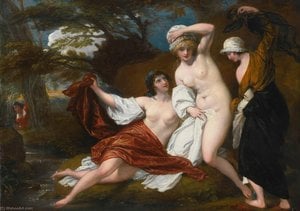
Oil On CanvasWallArtRomanticism
 183219th Century
 173.0 x 126.0 cm
 Tretyakovin kansallismuseo
Museolaatuisia giclée- tai kankaitaulun tulosteita nopealla tuotannolla ja joustavilla viimeistelyvaihtoehdoilla. ( Tilaa käsinmaalattu jäljennös Siirry digitaaliseen kuvaan)





























Valitse valmiista mitoistamme sellaiset, jotka vastaavat teoksen alkuperäisiä mittasuhteita.

Voit syöttää omat mitat sopiaksesi tiettyyn kehykseen tai tilaan. Jos valittu koko ei vastaa alkuperäisen kuvan mittasuhteita, rajaamme teosta tai laajennamme kuvaa peilatulla tai yhtenäisellä reunalla. Digitaalinen mallikuva lähetetään hyväksyttäväksi ennen tuotannon aloittamista.
Huomaathan, että näytöllä näkyvä esikatselu ei vastaa lopullista rajausta tai laajennusta. Vain mallikuva näyttää lopullisen sommittelun tarkasti.
Vaikka räätälöityjä kokoja on saatavilla, suosittelemme valitsemaan mitat valmiista listasta alkuperäisten mittasuhteiden säilyttämiseksi.
Maailmanlaajuinen toimitus () 2 viikossa tavallisen 4–5 viikon sijaan. (22 syyskuu)


Bathsheba
Replikaatin koko
In the quiet, luminous depths of Karl Pavlovich Bryullov’s 1832 masterpiece, Bathsheba, we find ourselves transported to a moment where time itself seems to hold its breath. This monumental canvas is far more than a mere biblical illustration; it is a profound psychological study wrapped in the velvet textures of the Romantic era. The scene captures the biblical Bathsheba in a state of private contemplation, seated as she tends to her hair, her reflection caught in the subtle glow of a mirror. Beside her, the presence of King David, kneeling in a gesture that blurs the line between devotion and desire, introduces a tension that vibrates through the composition. Bryullov does not simply paint a story; he invites the viewer into a sacred, almost voyeuristic space where the boundaries between the divine and the human are beautifully blurred.
The emotional resonance of the work lies in its ability to balance grandeur with vulnerability. As one gazes upon the delicate rendering of Bathsheba’s features, there is an undeniable sense of the ephemeral—a fleeting moment of beauty caught before the inevitable storm of consequence. For the discerning collector or interior designer, this painting offers a centerpiece of immense narrative weight. It possesses the rare ability to anchor a room, providing a focal point that encourages long periods of reflection and conversation. The interplay between the figures suggests an unspoken dialogue, making the artwork feel alive, as if the characters might continue their silent communion the moment we turn away.
Technically, Bathsheba stands as a testament to Bryullov’s extraordinary command over light and shadow. Drawing inspiration from the dramatic chiaroscuro of Caravaggio, the artist employs a masterful manipulation of illumination to sculpt the figures from the darkness. A soft, ethereal light seems to emanate from within the scene, catching the sheen of silk, the luster of skin, and the intricate details of the royal attire. This technique does not merely illuminate the subject; it imbues the atmosphere with a palpable, heavy air of mystery and importance.
Moving away from the rigid, polished surfaces of Neoclassicism, Bryullov embraces a more textured, emotive brushstroke that is characteristic of the Romantic movement. He prioritizes the feeling of the atmosphere over clinical perfection, allowing the paint to convey the warmth of skin and the weight of fabric. This tactile quality makes the reproduction of such a work incredibly impactful in a physical space; the play of light across the textured surfaces of a high-quality hand-painted piece can bring a sense of classical luxury and historical depth to any modern or traditional interior. To possess this work is to hold a fragment of 19th-century artistic fervor, rendered with a precision that honors the soul of the original masterpiece.
For those seeking to curate an environment of sophistication and intellectual depth, Bryullov’s work offers unparalleled inspiration. The painting serves as a bridge between eras, blending the anatomical realism of the Renaissance with the emotional turbulence of the Romantic period. Its palette—rich, deep, and harmoniously balanced—complements a wide array of decor styles, from the opulent grandeur of a classical estate to the moody, dramatic accents of contemporary luxury design.
Investing in a reproduction of Bathsheba is an investment in storytelling. It is a piece that demands attention not through loudness, but through its quiet, commanding presence. Whether placed in a private study, a grand salon, or a curated gallery wall, this artwork brings with it the legacy of Saint Petersburg’s finest Romantic master, offering every viewer a window into a world of beauty, longing, and the eternal complexities of the human heart.

Karl Pavlovich Bryullov (syntynyt Karl Briullo) syntyi 23. joulukuuta 1799 Pietarissa, Venäjällä. Hänen isänsä, Pavel Ivanovich Briullo, oli hugenottitaustainen akateemikko, puunveistäjä ja kaivertaja, joka kylvi nuoren Karlin sydämeen syvän rakkauden taiteeseen. Bryullovin taiteellinen matka alkoi isänsä ohjauksessa, ennen kuin hän vuonna 1809 aloitti viralliset opintonsa Pietarin keisarillisessa taidekoulussa.
Vaikka Bryullov sai koulutuksensa klassisissa raameissa, hän ei koskaan täysin alistunut niiden jäykkiin sääntöihin. Jo nuorena hänessä tuntui voimakas vetovoima Italiaa kohtaan, ja hänen taiteellista kehitystään muovasivat merkittävästi italialaisen renessanssin mestarit. Hänen teoksissaan näkyvät vaikutteet muun muassa Rafaelilta, Michelangelolta ja Caravaggiolta, erityisesti valon ja varjon dramaattisessa käytössä sekä anatomisen tarkkuuden mestarillisessa toteutuksessa.
Bryullovin suuri läpimurto tapahtui teoksessa ”Pompeijien viimeinen päivä” (1830–1833), monumentaalisessa historiallisessa maalauksessa, joka nosti hänet kansainväliseen kuuluisuuteen. Teos, joka kuvaa Vezuvion tulivuoren kaaottista purkausta, sai valtavasti ylistystä sen dramaattisen sommittelun, emotionaalisen voiman ja teknisen loistokkuuden vuoksi. Se herätti suurta ihailua aikansa suurten nimien, kuten Pushkinin ja Gogolin, keskuudessa.
Pompeijien viimeisen päivän menestyksen jälkeen Bryullov palasi Venäjälle voittajana ja sai vuonna 1836 arvostetun viran keisarillisessa taideakatemialla. Hän toimi siellä professorina vuoteen 1848 asti, vaikuttaen merkittävästi kokonaiseen sukupolveen venäläisiä taiteilijoita.
Karl Pavlovich Bryullovia pidetään venäläisen romantiikan keskeisenä hahmona. Hänen työnsä merkitsi käännekohtaa venäläisessä taiteessa kohti syvempää emotionaalista ilmaisua ja dramaattista tarinankerrontaa. Hän loi sillan uusklassisen muodollisuuden ja nousevan romanttisen liikkeen välille, vaikuttaen myöhempiin taiteilijasukupolviin, kuten Gavriil Goreloviin.
Bryullovin perintö ulottuu kauas hänen maalaustensa ulkopuolelle; hän oli arvostettu opettaja ja taiteellisen innovaation puolustaja. Hänen panoksensa vakiinnutti hänen paikkansa yhtenä venäjän historian suurimmista visuaalisista taiteilijoista, jättäen pysyvän jäljen kansakunnan kulttuuriperintöön. Hän kuoli 23. kesäkuuta 1852 Rooman lähellä ja hänet on haudattu Cimitero Acattolico -hautausmaalle.

1799 - 1852 , Venäjä

Master the nuances of Giclée printing with our expert guide. Discover how pigment-based inks and museum-grade substrates create fade-resistant, high-fidelity art reproductions designed for discerning collectors seeking unparalleled quality and longevity.
Transform your digital artistry into a prestigious global brand with WahooArt’s premium Giclée prints. Experience museum-quality archival excellence and seamless on-demand fulfillment designed for the modern creative entrepreneur seeking to build a lasting artistic legacy.

 Katso seinällä
 Lähetä
 Jaa
Jaa
 Tarkemmat tiedot
 Opas
Opas

 Lataa kuva
 Samanlaisia kohteita
 Röntgenkuvaus
 Diaesitys
 Tilastot
 Lue lisää







 Lasivaihtoehto on saatavilla vain alle 110 cm kokoisille teoksille