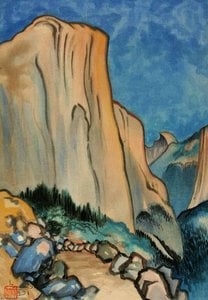
Elämää siltojen rakentajana: Chiura Obatan taide
Chiura Obatan matka oli poikkeuksellisen sinnikkyyden ja taiteellisen synteesin kertomus, todistus kulttuurivaihdon voimasta ja luovuuden kestävästä hengestä jopa vastoinkäymisten keskellä. Syntynyt Zoroku Satona vuonna 1885 Japanin Okayaman prefektuurissa, hänen varhaisvuotensa olivat syvällä perinteissä. Seitsemänvuotiaana hänet adoptoidun isoveljensä Rokuichi, itse taiteilijan, toimesta, mikä käynnisti muodollisen taidekasvatuksen sumi-e-tekniikan hienovaraisuuteen – japanilaiseen mustetaitoon. Tämä perusta ei opettanut hänelle vain teknistä taitoa, vaan myös syvää kunnioitusta luontoa kohtaan ja filosofista lähestymänmistapaa taiteeseen, joka sävytti hänen koko uransa. Vaikka veli ohjasi hänet aluksi kohti sotilasuraa, Obatan sielu janooi taiteellista vapautta, mikä johti hänet neljäntoistavuotiaana lähtemään kotoa ja jatkamaan opintoja Tokiossa mestareiden, kuten Tanryo Muratan, Kogyo Terasakin ja Gaho Hashimoton, alaisuudessa. Nämä vuodet olivat ratkaisevia; ne altistivat hänet paitsi japanilaisen estetiikan vivahteille, myös kasvaville länsimaisille vaikutteille, jotka myöhemmin muovasivat hänen ainutlaatuista tyyliään. Vuonna 1903 nuori Obata aloitti uuden luvun muuttaessaan Yhdysvaltoihin pyrkimyksenä opiskella amerikkalaista taidetta ennen matkan jatkamista Eurooppaan – polku, joka lopulta johti hänet asettumaan ja kukoistamaan San Franciscon kaupunkiin.Illustraatiosta maisemamaalaukseen: Kalifornialaisen äänen löytäminen
Obatan varhaisvuodet Amerikassa leimautuivat käytännön välttämättömyydestä. Hän elätti aluksi itsensä kuvittamalla japanilaisia sanomalehtiä, kuten *The New World* ja *The Japanese American*, ja dokumentoi jopa vuoden 1906 San Franciscon maanjäristyksen tuhoja luonnostelujensa avulla. Samanaikaisesti hän hioi suunnittelutaitojaan työskennellessään tunnettujen tavaratalojen, kuten Gump’sin ja Emporiumin, palveluksessa. Kuitenkin vuonna 1927 tehty merkittävä luonnostelumatka Yosemiten ja Sierra Nevadan vuoristoon sytytti todella hänen taiteellisen intohimonsa ja määritti hänen uransa suunnan. Kalifornian majesteettiset maisemat vangitsivat hänet ja inspiroivat elinikäiseen omistautumiseen niiden suuruuden tallentamiseksi kankaalle ja puupiirroksiin. Tänä aikana perustettiin myös San Franciscossa East West Art Society, järjestö, jonka hän oli mukana perustamassa edistämään kulttuurien välistä vuoropuhelua taiteilijoiden välillä – heijastus hänen omasta roolistaan siltana kahden maailman välillä. Hänen paluumatkansa Japaniin vuonna 1928 johti kuuluisan ”World Landscape Series” -kokoelman syntyyn, joka koostui kolmekymmentäviidestä upeasti yksityiskohtaisesta väripuupiirroksesta esittäen Kalifornian näkymiä, erityisesti Yosemiten kansallispuiston alueita. Nämä Takamizawa Print Works -painossa äärimmäisellä käsityötaidolla valmistetut vedokset saivat tunnustusta Tokiossa ja vakiinnuttava Obatan taiteilijana, joka kykeni saumattomasti yhdistämään japanilaiset tekniikat länsimaiseen aiheistoon.Opetus ja internointi: Taide vastarintana
Vuosina 1932–1954 Chiura Obata omisti itsensä opetukselle toimien opettajana Kalifornian yliopistossa, Berkeleyssä. Hän jätti pysyvän jäljen sukupolvien opiskelijoihin välittäen paitsi teknisiä taitoja, myös taidefilosofiaa, joka juurtui havainnointiin, kurinalaisuuteen ja syvään yhteyteen luontoon. Tämän vakauden kauden keskeytti traagisesti toinen maailmansota ja japanilaistaustaiset amerikkalaiset joutuivat internointileireille. Pearl Harborin hyökkäyksen jälkeen Obata ja hänen perheensä vangittiin epäoikeudenmukaisesti ensin Tanforanin pidätuskeskukseen ja myöhemmin Utahin Topaz Relocation Centeriin. Silti, jopa näiden leirien rajojen sisällä, Obatan henki pysyi murtumattomana. Osoittaen poikkeuksellista sinnikkyyttä, hän perusti Topaziin taidekoulu tarjoten luovan venttiilin kanssakulkijoilleen ja opettaen yli kaksikymmentä eri aihetta jopa 95 opiskelijalle viikoittain. Tämä teko ei ollut pelkkä toivon ele; se oli vastarinnan teko – voimakas kulttuurisen identiteetin puolustaminen ja periksiantamaton tarve itseilmaisulle sortoa vastaan. UC Berkeleysn kaltaisten organisaatioiden tuki auttoi ylläpitämään tätä merkittävää aloitetta, korostaen taiteen merkitystä jopa kansallisen kriisin aikana.Perintö ja kestävä vaikutus
Vapautumisensa jälkeen internointileiriltä Obata jatkoi taiteellista uraansa uudella voimalla. Hänen työnsä saavutti laajemman tunnustuksen näyttelyiden ja julkaisujen kautta, vahvistaen hänen mainettaan merkittävänä hahmona Kalifornian taidehistoriassa. Hänestä tuli Yhdysvaltain kansalainen vuonna 1954, ja hän jatkoi maalaamista, opettamista sekä Japanin-matkojen järjestämistä jakaen tietotaitonsa ja intohimonsa molempia kulttuureita kohtaan. Chiura Obatan historiallinen merkitys ei piile ainoastaan hänen teostensa kauneudessa, vaan myös hänen roolissaan kulttuurilähettiläänä ja taiteellisen ilmaisun puolustajana. Hänen taiteensa yhdistää ainutlaatuisesti japanilaiset perinteet länsimaisiin vaikutteisiin heijastaen hänen henkilökohtaisia kokemuksiaan ja kurottaen kuilujen yli. Hän dokumentoi Kalifornian erämaan loistoa tarjoten arvokkaan visuaalisen tallenteen sen luonnonkauneudesta. Hänen perustamansa taidekoulu internointileirin sisällä seisoo voimakkaana toivon ja sinnikkyyden symbolina, osoittaen taiteen muuntavan voiman vaikeina aikoina. Obatan panos amerikkalaiselle taiteelle, hänen omistautumisensa opetukselle ja järkähtämätön sitoutumisensa taiteelliseen ilmaisuun ovat jättäneet pysyvän perinnön, joka inspiroi taiteilijoita ja yleisöä vielä sukupolvien päästä. Hänen työnsä resonoi edelleen tänä päivänä muistuttaen meitä kulttuurisen ymmärryksen tärkeydestä, luovuuden voimasta ja ihmissydämen murtumattomasta hengestä.Kysymykset ja vastaukset
Mistä Chiura Obata on kotoisin?
Chiura Obata on syntynyt Japani.
Mistä voin nähdä Chiura Obata'n teokset aikajärjestyksessä?
Chiura Obata:n teoksista on saatavilla aikajana: taiteilijan Teosten aikajana -sivulla teokset on järjestetty luomisjärjestykseen.
Missä kaupungissa ja maassa Chiura Obata on syntynyt?
Chiura Obata on syntynyt Okayama, Japani.