

Käsinmaalattu öljyväri kankaalle haluamassasi koossa ja kehyksissä, taiteilijoidemme valmistamana tilauksesta. ( Vaihda tulosteeseen Siirry digitaaliseen kuvaan)





























Valitse valmiista mitoistamme sellaiset, jotka vastaavat teoksen alkuperäisiä mittasuhteita.

Kirjoita tarvitsemasi leveys ja korkeus, jotta teos sopii kehyskehyksiisi tai seinällesi. Koska kyseessä on käsinmaalattu teos, taiteilija voi maalata hieman enemmän kuvan ympärille tai rajata sitä hieman, jos haluat eri muotoisen koon — valinta on sinun. Lähetämme sinulle digitaalisen mallikuvan hyväksyttäväksi ennen kuin maalaus alkaa. Tällä sivulla näkyvä kuva ei vastaa lopullista tulosta — vain mallikuva näyttää sen.
Maailmanlaajuinen toimitus () 3–4 viikossa tavallisen 5 viikon sijaan. (24 lokakuu). Laadusta ei tingitä.
Calligraphy (Bokuseki)
Replikaatin koko
In the quiet, contemplative spaces of a curated collection, few pieces command attention with such visceral intensity as the Calligraphy (Bokuseki) by the legendary Zen master Ikkyū Sōjun. This work is not merely an arrangement of characters on paper; it is a direct transmission of spirit, a moment of profound enlightenment captured in the rhythmic dance of black ink. To behold this piece is to witness the "traces of ink" that define the Bokuseki tradition, where the brushstroke serves as a mirror to the artist's internal state. The composition, characterized by its striking contrast and spontaneous energy, invites the viewer into a meditative dialogue with the Muromachi period, offering a window into a time when art and spiritual practice were inextricably linked.
The technique employed here is a masterclass in controlled spontaneity. Each character emerges from the aged, textured paper with a weight that suggests both permanence and fleetingness. The ink varies in density, from deep, saturated blacks that anchor the composition to lighter, more translucent washes that suggest movement and breath. This interplay of light and shadow within the strokes creates a three-dimensional quality, making the calligraphy feel alive, as if the energy of the monk’s hand is still vibrating upon the surface. For the discerning collector or interior designer, this piece offers a sophisticated focal point, bringing an organic, historical gravity to modern minimalist settings or classical East Asian-inspired interiors.
To understand the emotional depth of this calligraphy, one must understand the man behind the brush. Ikkyū Sōjun was no ordinary monk; he was a radical iconoclast who famously challenged the rigid, often hypocritical, monastic structures of his era. His life was a whirlwind of poetry, eccentricity, and profound spiritual inquiry. This rebellious spirit is etched into every line of his calligraphy. Unlike the more formal, disciplined styles of courtly calligraphy, Ikkyū’s work embraces a certain ruggedness and unvarnished truth. It reflects the Zen ideal of mushin, or "no-mind," where the ego vanishes, leaving only the pure, unfiltered expression of the present moment.
The historical significance of this piece is further elevated by its provenance and cultural weight. Held within prestigious institutions like the Tokugawa Art Museum, such works are recognized as vital artifacts of Japanese heritage. For those seeking to incorporate art into their homes that transcends mere decoration, this reproduction offers more than aesthetic beauty; it provides a connection to a lineage of profound philosophical thought. It is an invitation to embrace imperfection, to find beauty in the weathered and the worn, and to cultivate a space of deep, resonant peace.
Ikkyū Sōjun:n "Calligraphy (Bokuseki)"-teoksessa käytetään Neutrals väripalettia, jossa Phthalo Green (#1d231f) on hallitseva väri.
"Calligraphy (Bokuseki)" teoksen Spiritual tunne kulkee käsi kädessä sen Zen tyylin kanssa.
Ikkyū Sōjun:n "Calligraphy (Bokuseki)" -teoksen Opas -sivu tarjoaa tulostettavan kahden sivun tietolomakkeen: teoksen ja sen tunnistetiedot, aikajanan, joka sijoittaa teoksen taiteilijan elinaikaan, muita taiteilijan teoksia, mitatun väripaletin sekä neljällä eri tyylillä valmiiksi muotoillut lähdeviitteet.


1394 - 1481 , Japan

Embark on a profound journey through the soul of Chinese calligraphy. Explore the historical mastery of ink, brush, and script, from ancient Zhuanshu to elegant running script, and discover how this timeless art form reflects the enduring spirit of classical East Asian aesthetics.
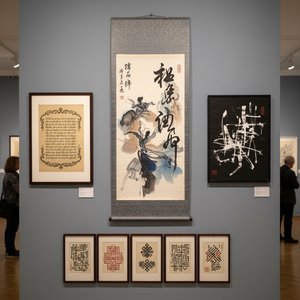
Explore the profound beauty of calligraphy art. From the fluid running script of Chinese masters to historical ink masterpieces, discover how the elegance of line transforms spaces with timeless grace and scholarly sophistication.
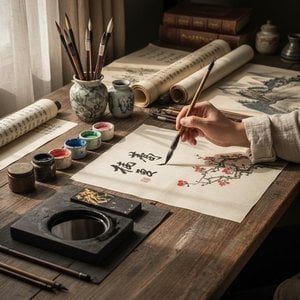
Embark on a sophisticated exploration of ink wash painting and Sumi-e. Uncover the profound historical lineages, Zen philosophies, and technical mastery behind this timeless medium in our authoritative guide for fine art enthusiasts.

Explore the profound artistry of black and white photography. From historical mastery to the interplay of light and shadow, discover how monochrome captures timeless emotion and form through a sophisticated lens of art history.

 Katso seinällä
 Lähetä
 Jaa
Jaa
 Tarkemmat tiedot
 Opas
Opas

 Lataa kuva
 Samanlaisia kohteita
 Röntgenkuvaus
 Diaesitys
 Tilastot


 Lue lisää









 Lasivaihtoehto on saatavilla vain alle 110 cm kokoisille teoksille


