

 Oil On CanvasWallArtDutch Golden Age
 33.0 x 27.0 cm
 Serbian National Museum
Osta korkearesoluutioinen, parannettu digitaalikuva, joka on laadultaan huomattavasti parempi kuin verkkosivuston esikatselu.
Jokainen tiedosto valmistellaan huolellisesti omien asiantuntijoidemme toimesta käyttäen edistyneitä työkaluja ja ammattitaitoista manuaalista retusointia. Varmistamme, että jokaisessa kuvassa on poikkeuksellinen selkeys, tarkka värintoisto ja hienovaraiset yksityiskohdat.
Lopputiedosto toimitetaan sähköpostitse 72 tunnin kuluessa, ja se on optimoitu välittömään käyttöön ammattimaisissa, toimituksellisissa ja painoympäristöissä. Laatu on sama, johon huipputason suunnittelustudiot, kustantajat ja galleriat luottavat.
Lataa korkearesoluutioinen tiedosto henkilökohtaiseen näyttelyyn, tulostamiseen ja luoviin projekteihin. ( Vaihda tulosteeseen Tilaa käsinmaalattu jäljennös)
Kun valitset WahooArt.com-palvelun, et saa vain kuvaa – saat ammattimaisesti viimeistellyn digitaalisen taideteoksen, joka on luotu tarkkuudella ja jonka takaa tulee tyytyväisyystakuu. Tässä on kaikki, mitä tilauksesi sisältää, automaattisesti:

Saat korkearesoluutioisen digitaalisen kuvatiedostosi sähköpostiisi 72 tunnin kuluessa tilauksesta – valmiina käytettäväksi välittömästi.

Teoksesi on optimoitu ammattimaisesti edistyneiden tekoälytyökalujen ja manuaalisen jälkikäsittelyn avulla, mikä takaa maksimaalisen yksityiskohtaisuuden, selkeyden ja väritarkkuuden.

Oletko vahingossa poistanut tai kadottanut tiedostosi? Ei hätää – lähetämme sen sinulle uudelleen milloin tahansa täysin maksutta.

Nauti taiteestasi välittömästi ilman tullimaksuja, veroja tai toimituskuluja – digitaaliset lataukset ovat aina verovapaita.

Varmistamme, että digitaalinen kuvasi vastaa alkuperäisiä värejä mahdollisimman tarkasti käyttämällä ammattilaistason työkaluja ja värinhallintaa.

Jos et ole tyytyväinen digitaaliseen kuvaasi, muokkaamme sitä tai palautamme 100% hinnan 100 päivän kuluessa – kysymystä ei esitetä.

Et ole tyytyväinen? Saat täyden hyvityksen 100 päivän kuluessa digitaalisen tiedostosi vastaanottamisesta – kysymystä ei esitetä.

Osta 3 kuvaa, säästä 10% - Osta 5, säästä 15% - Osta 10+, säästä 20%. Erinomainen valinta luoviin projekteihin, gallerioille ja toimistoille.
Frans van Mieris’s “The Music Lesson,” painted around 1675, isn't merely a depiction of a musical scene; it’s a meticulously crafted tableau capturing the essence of late 17th-century Dutch society – a world of refined manners, burgeoning commerce, and a deep appreciation for artistic detail. Housed within the National Museum in Belgrade, Serbia, this oil on wood panel offers a rare window into a moment of quiet instruction, a subtle drama unfolding beneath the soft glow of an unseen light source. The painting’s setting, though dark, is far from gloomy; instead, it feels intimate and warmly lit, suggesting a private study or salon – a space reserved for intellectual pursuits and refined conversation.
Van Mieris was a master of the *fijnschilder* style, a hallmark of Dutch painting during this period. This approach prioritized subtle details, nuanced expressions, and an almost photographic realism. He wasn’t interested in grand gestures or dramatic action; rather, he sought to capture the quiet dignity and complexity of everyday life. “The Music Lesson” exemplifies this perfectly – it's not about a performance, but about the exchange between teacher and student, the unspoken connection forged through shared passion for music.
At the heart of the composition are two figures, rendered with an extraordinary level of detail. The man, seated at the virginal (a type of harpsichord), is a portrait of restrained elegance. His posture – slightly hunched over the instrument, his hand poised above the keys – suggests both concentration and a touch of melancholy. He wears a hat and coat, indicative of his social standing, hinting at a life of privilege and intellectual pursuits. His gaze is directed towards the woman, conveying a sense of quiet authority.
The woman, dressed in a vibrant red gown with a crisp white collar, stands beside him, holding a sheet music – a musical score. Her posture is attentive, her expression thoughtful as she observes the man’s playing. The color contrast between her dress and the muted tones of the background immediately draws the eye, emphasizing her presence and highlighting her role as the instructor. Van Mieris masterfully uses gesture to communicate their relationship; the subtle tilt of her head, the slight curve of her hand holding the music – these small details speak volumes about their interaction.
Beyond the immediate depiction of a musical lesson, “The Music Lesson” is rich in symbolic meaning. The virginal itself represents knowledge, refinement, and intellectual engagement—a central symbol within Dutch art during this era. The muted palette – dominated by browns, grays, and ochres – creates a sense of depth and atmosphere, while the carefully rendered textures of the clothing and furniture demonstrate Van Mieris’s exceptional technical skill. Note the meticulous detail in the depiction of the keys on the virginal, the folds of the fabric, and the subtle shadows cast by the figures—all hallmarks of his *fijnschilder* style.
The lighting is particularly noteworthy. It's soft and diffused, emanating from an unseen source, creating a sense of intimacy and warmth. This technique draws attention to the central figures while subtly suggesting a world beyond the frame – a world of quiet contemplation and intellectual exchange. The composition’s balance—the careful arrangement of the figures and objects—contributes to its overall harmony and visual appeal.
“The Music Lesson” transcends its specific historical context, offering a timeless reflection on human connection, learning, and the pursuit of knowledge. It’s not just a painting; it's an invitation to pause, observe, and contemplate the quiet beauty of everyday moments. Reproductions of this captivating artwork capture the essence of Van Mieris’s genius, bringing his meticulous detail and evocative atmosphere into any space. Whether displayed in a private study or a grand salon, “The Music Lesson” continues to resonate with viewers, reminding us of the enduring power of art to illuminate the human experience.

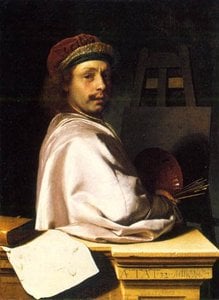
1635 - 1681 , Alankomaat

 Katso seinällä
 Lähetä
 Jaa
Jaa
 Tarkemmat tiedot
 Opas
Opas

 Lataa kuva
 Samanlaisia kohteita
 Röntgenkuvaus
 Diaesitys
 Tilastot
 Lue lisää


