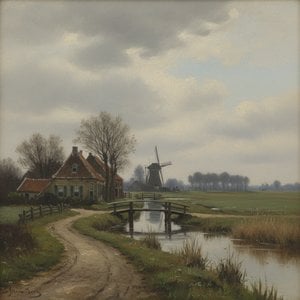
Yksityiskohtiin uppoutunut elämä: Frans van Mieris vanhemman maailma
Frans van Mieris vanhempi on nimi, joka on synonyymi äärimmäiselle tarkkuudelle ja hienostuneelle taidokkuudelle, ja hän hallitsee merkittävää asemaa hollantilaisen kultakauden historiassa. Leidenissä vuonna 1635 syntyneen taiteilijan polku erosi perinteisestä kultasepän ammatista – jota hänen isänsä Jan Bastiaensz van Mieris harjoitti – ja johdatti hänet maalaustaiteen lumoavaan maailmaan. Tämä varhainen taipumus piirtämiseen loi pohjan uralle, joka määritteli niin kutsutun ”fijnschilder”-tyylin ja tarjosi intiimin ikkunan 1600-luvun hollantilaiseen yhteiskuntaan. Hänen alkuvaiheen koulutuksensa Abraham Toorenvliet’n alaisuudessa, jota seurasi arvostetun Gerrit Dou’n antama ratkaiseva opastus, loi vankan perustan, jonka päälle hän rakensi oman, omaleimaisen taiteellisen äänensä. Nämä muovaavat vuodet opettivat hänelle paitsi teknistä taitoa, myös kykyä ymmärtää kerronnallista vivahteikkuutta ja hienovaraisen havainnoinnin voimaa.”Fijnschilder”-mestarin nousu
Van Mieris nousi nopeasti kuuluisuuteen fijnschilder-tyylin mestarina – hollantilainen termi, joka viittaa ”hienomaalaukseen”. Tätä tekniikkaa leimasi lähes pakkomielteinen huomio yksityiskohtiin, sileä ja huoliteltu siveltimenjälki sekä mieltymys pienikokoisiin kankaisiin. Kyse ei ollut pelkästään todellisuuden toistamisesta, vaan sen ylentämisestä äärimmäisen tarkkuuden avulla. Hänen maalauksensa pinnat tuntuvat hehkuvan elämää: satiinin kiiltävä hohde, sametin herkkä tekstuuri ja metallin välke on toteutettu hämmästyttävällä tarkkuudella. Hän ei ainoastaan maalannut huonetta, vaan hän loi uudelleen sen koko tunnelman, kutsuen katsojan osaksi kotiympäristön ja vaurauden kohtauksia. Hänen aiheensa pyörivät usein varakkaan väestön elämän ympärillä: tyylikkäissä kokoontumisissa, loisteliaissa sisätiloissa ja muotokuvissa, jotka tavoittivat paitsi ulkoisen olemuksen, myös luonnon. Toistuvat motiivit, kuten osterilounaat, lääkäreiden vastaanotot ja arjen askareissaan olevat naiset, tarjosivat ikkunoita yläluokan tapoihin ja sosiaalisiin rituaaleihin. Vaikka hän oli aluksi voimakkaasti Gerrit Dou’n tyylin vaikutteiden alaisena, Van Mieris kehitti vähitellen oman ainutlaatuisen lähestymistapansa. Hän siirtyi pois yksityiskohtien ylikylläisyydestä kohti suurempaa painotusta hahmojen väliseen vuorovaikutukseen ja sommitelmien sisällä avautuviin kertomuksiin. Myöhemmissä teoksissaan hän käytti toisinaan tummempia sävyjä verrattuna varhaisemman tuotantonsa kirkkaampiin paleteihin, mikä heijasti kasvavaa kypsyyttä ja taiteellista tutkimusmatkaa.Merkittävät teokset ja kestävä perintö
Useat keskeiset teokset seisovat todistuksina Van Mierisin taidosta ja kehittyvästä tyylistä. Doctor's Visit (1657), jota pidetään yhtenä hänen varhaisimmista ja tärkeimmistä päivätyistä, osoittaa hänen nousevan itsenäisyyttään Dou’n vaikutuspiiristä. Maalaus on mestariteos lääketieteellisen tutkimuksen hiljaisen jännityksen vangitsemisessa äärimmäisellä realismilla. Hänen Self-Portrait with a Cittern -itsemuotokuvansa on yhtä vakuuttava, osoittaen hänen kykynsä kuvata ylellisiä asuja samalla kun hän välittää tunteen persoonallisuudesta ja itsetutkiskelusta. Portrait of the Artist's Wife, Cunera van der Cock puolestaan ilmentää hänen hallintansa muotokuvataiteessa, korostaen sekä teknistä taitoa että ymmärrystä chiaroscurosta – valon ja varjon dramaattisesta vuoropuhelusta. Genrekohtausten ja muotokuvien lisäksi Van Mieris uskalsi siirtyä myös allegorisiin maalauksiin, kuten teoksiin, jotka kuvasivat paheita, kuten juomista, tupakointia ja uhkapelaamista, osoittaen taiteellisten kykyjensä laajuutta. Frans van Mierisin vaikutus ulottui paljon pidemmälle kuin hänen oma elinaikansa. Hänen vaikutuksensa resonoi hänen perheessään; hänen poikansa Willem van Mieris (1662–1747) ja pojanpoikansa Frans van Mieris nuorempi (1689–1763) molemmat tulivat taitaviksi genremaalareiksi jatkaen tätä taiteellista perinnettä. Hänen tyylinsä suosio synnytti myös lukuisia jäljittelijöitä, erityisesti A. D. Snaphaanin, joka työskenteli Leipzigissä ja nautti Anhalt-Dessau’n hovin suosiota.Pysyvä panos hollantilaiselle taiteelle
Frans van Mierisilla oli ratkaiseva rooli hollantilaisen kultakauden maalaustaiteen fijnschilder-liikkeen muovaamisessa. Hänen omistautumisensa tarkalle yksityiskohtaisuudelle, realistiset kuvaukset arjesta ja yläluokkaisesta yhteiskunnasta sekä tekninen loisto antoivat merkittävän panoksen aikakaudelle, joka oli jo valmiiksi tunnettu taiteellisesta innovaatiostaan. Hän nautti arvostettujen henkilöiden, kuten arkkiherttua Leopoldin ja Cosimo III de' Medicin, suosiota, mikä on todiste hänen lahjakkuutensa kansainvälisestä tunnustuksesta. Vielä tänäkin päivänä hänen teoksensa lumoavat yleisöä hienostuneella käsityötaidollaan ja 1600-luvun kulttuurin oivaltavalla kuvauksellaan. Sydneyssä sijaitsevan Art Gallery of New South Wales -galleriaan varastettu itsemuotokuva toimii koskettavana muistutuksena hänen taiteensa pysyvästä arvosta ja vetovoimasta – perinnöstä, joka jatkaa keräilijöiden ja taiteenharrastajien inspiroimista. Hänen maalauksensa eivät ole pelkkiä historiallisia artefakteja; ne ovat ikkunoita menneeseen aikaan, huolellisesti valmistettuja ja ajattoman kauneuden täyttämiä.Kysymykset ja vastaukset
Miten voin selata kaikki Frans van Mieris vanhempi -taiteilijan teokset?
Voit selata kaikkia tämä sivusto-sivuston Frans van Mieris vanhempi teoksia artistin Kaikki teokset -sivulta.
Miten voin seurata Frans van Mieris vanhempi's teoksia vuosi vuodelta?
Frans van Mieris vanhempi'n teokset ovat nähtävissä aikajärjestyksessä artistin Teosten aikajana -sivulla.
Onko olemassa yleiskatsaus kaikista niistä aiheista, joita Frans van Mieris vanhempi on maalannut?
Frans van Mieris vanhempi:n teoksia voi tutkia aiheen mukaan artistin Aiheatlas -sivulla.