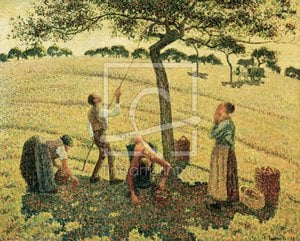
Öljyväri kankaalleSeinätaideImpressionist Landscape
 1883
1883 46.0 x 55.0 cm
Käsinmaalattu öljyväri kankaalle haluamassasi koossa ja kehyksissä, taiteilijoidemme valmistamana tilauksesta. ( Vaihda tulosteeseen Siirry digitaaliseen kuvaan)





























Valitse valmiista mitoistamme sellaiset, jotka vastaavat teoksen alkuperäisiä mittasuhteita.

Voit syöttää omat mitat sopimaan tiettyyn kehykseen tai tilaan. Jos valitsemasi koko ei vastaa alkuperäisen kuvan mittasuhteita, rajaamme taideteoksen tai jatkamme maalausta käsin maalatuilla elementeillä. Digitaalinen esikatselu lähetetään hyväksyttäväksi ennen tuotannon aloittamista.
Huomioithan, että näytöllä oleva esikatselu ei vastaa todellista rajausta tai jatkamista. Vain digitaalinen mallikuva näyttää lopullisen sommittelun tarkasti.
Vaikka mittatilaustyöt ovat mahdollisia, suosittelemme valitsemaan mitan ennalta määritetystä listasta alkuperäisten mittasuhteiden säilyttämiseksi.
Maailmanlaajuinen toimitus () 3–4 viikossa tavallisen 5 viikon sijaan. (21 syyskuu). Laadusta ei tingitä.


Rouenin satama
Replikaatin koko
Camille Pissarro’s “The Port of Rouen,” completed in 1883, stands as a cornerstone of Impressionist landscape painting—a testament to the movement's fascination with capturing fleeting moments of everyday life infused with atmospheric nuance. More than just a depiction of Rouen harbor, it embodies Pissarro’s profound understanding of how light transforms ordinary scenes into canvases brimming with emotion and visual richness.
Pissarro's distinctive approach to painting is immediately apparent. Rejecting the meticulous detail favored by academic art, he employed loose brushstrokes—bold, visible marks of pigment—to convey a sense of movement and immediacy. These strokes aren’t blended smoothly; instead, they overlap and interact, creating textured surfaces that shimmer with reflected light. The artist meticulously observed how sunlight filtered through the overcast sky, casting dappled shadows across the water and illuminating the boats moored along the quay.
Painted during a period of significant artistic experimentation—the Impressionist movement’s ascendancy—“The Port of Rouen” reflects the broader intellectual currents of its time. Claude Monet, Pissarro’s close friend and collaborator, had already established Rouen as a favored subject for his own paintings, recognizing its suitability for exploring the transformative effects of light. This shared artistic vision fueled their exploration of plein air painting and cemented Rouen's place in art history as a locus of Impressionist innovation.
Beyond its technical mastery, “The Port of Rouen” possesses subtle symbolic resonance. The harbor itself represents the dynamism of commerce and human activity—a microcosm of urban life. However, Pissarro’s focus on capturing the ephemeral qualities of light speaks to a deeper philosophical concern: the beauty inherent in fleeting moments and the impossibility of fully grasping reality through static representation. The painting invites contemplation on the passage of time and the enduring power of sensory experience.
Looking at “The Port of Rouen” is akin to stepping into a sunlit harbor scene—one filled with the sounds of boats, the bustle of activity, yet imbued with an atmosphere of serene contemplation. Pissarro’s masterful use of color and brushwork evokes a palpable sense of tranquility alongside an awareness of the vibrancy surrounding him. It's a painting that speaks to the human spirit's capacity for appreciating beauty in simplicity—a legacy that continues to inspire artists and collectors alike.
To own a handmade oil painting reproduction of this masterpiece, visit https://WahooArt.com/


1830 - 1903 , Tanska

Master the nuances of Impressionism vs. Post-Impressionism with our expert guide. Explore the revolutionary shift from Monet’s fleeting light to Van Gogh’s emotional depth. Discover how these iconic movements continue to inspire fine art collectors and modern interiors today.

Discover the luminous world of Camille Pissarro. Explore how this Impressionist master captured light and rural life through evocative landscapes, from Pontoise to Eragny, and learn about his enduring legacy in art history.

 Katso seinällä
 Lähetä
 Jaa
Jaa
 Tarkemmat tiedot
 Guide
Guide

 Lataa kuva
 Samanlaisia kohteita
 Röntgenkuvaus
 Diaesitys
 Tilastot
 Lue lisää







 Lasivaihtoehto on saatavilla vain alle 110 cm kokoisille teoksille