Taiteilijan elämäkerta
A Life Rooted in Observation: The World of Camille Pissarro
Camille Pissarro, nimi joka on synnyttynyt sekä impressionismin syntymän ja kehityksen keskiöön, oli taiteilija jonka elämä heijasti niin uskollisesti maastoja joita hän niin omistautuneesti vangitsi kankaalle. Syntyi Jacob Abraham Camille Pissarro 10. heinäkuuta 1830 Charlotte Amalie, St. Thomas – silloin osana Tanskan Länsi-Intiaa, nykyisin Yhdysvaltain Neitsytsaaret – hänen alkuperänsä olivat yhtä monipuoliset ja eloisat kuin maisemat joita myöhemmin hän määritteli taiteellisen näkemyksensä. Hänen isänsä oli portugalilainen juutalainen kauppias, jonka kansalaisuus oli ranskalainen, ja hänen äitinsä oli ranskalaista juutalaista sukua saarella. Tämä kasvatus, hieman epätavallinen perheen monimutkaisuuden vuoksi, loi hänelle varhaisen herkkyyden ympärillään olevaan maailmaan, ominaisuus joka muuttui myöhemmin hänen taiteellisen käytännön kulmakiveksi. Alkuperäinen koulutus Savary Academiassa lähellä Pariisia tarjosi pohjan perinteisille tekniikoille, mutta palautumisensa St. Thomasiin ja myöhempi työ lastikurttina herätti hänen intohimonsa havaintoja. Vilkas satama, vilkas paikallinen elämä ja raaka kauneus Karibian maisemissa muuttuivat hänen ensimmäisiksi aiheikseen, muotoillen silmää tarkasti aistimaan jokapäiväisen olemassaolon vivahteita.
From Realism to Revolution: Artistic Development
Pissarron taiteellinen matka oli jatkuvaa tutkimusta ja hienosäätöä. Ajan kuluttaminen tanskalaisen maalarin Anton Melbye avustajana Pariisissa antoi hänelle pohjan, mutta palautumisensa St. Thomasiin ja myöhempi työ lastikurttina sytytti hänen intohimonsa todella tuleville aiheille. Hän tutustui nuoren James Gay Sawkinsin teoksiin, joka oli brittimaalari ja geologi, joka asui Charlotte Amalie:ssa noin 1847. Pissarro aloitti taiteellisen uransa Courbet’n ja Corot’n vaikutuksen alaisena, mutta kehitti pian oman persoonallisen tyylinsä. Hän pyrki aluksi hyväksyntään vakiintuneessa taideyhteisössä, osallistuen Pariisin saloniin, mutta pian huomasi sen rajoitukset tukahduttaviksi. Merkittävä hetki oli hänen omaksumansa *plein air* -maalauksen – työskentely ulkona suoraan luonnosta – käytäntö, jota Corot kannusti ja joka muuttui impressionismin ytimeksi. Tämä muutos ei ollut pelkästään tekninen; se edusti filosofista muutosta, halua vangita hetken valo ja tunnelma, maiseman olemus sen tarkkaan esittämisen sijaan. Hän alkoi kokeilla löysää sivellintyyliä ja kirkkaampia sävyjä, poistuen akateemisista konventioista kohti subjektiivisempaa ja ilmaisuvoimaisempaa tyyliä. Varhaiset maisematansa, vaikka pohjimmiltaan realistisia, kertoivat polusta, jota hän oli pian vaeltamaan. Tämä aika näki hänen kamppailuaan oman äänensä löytämisessä keskellä taiteellisen levon keskuspaikkaa Pariisissa, kaupungissa joka muuttui nopeasti ja tarjosi loputtomasti inspiraatiota.
The Father Figure of Impressionism
Camille Pissarro ei ollut vain *impressionisti*; hän oli todennäköisesti liikkeen vakaampi ja yhtenäisempi voima. Ainutlaatuisesti hän osallistui kaikkiin kahdeksaan Pariisin impressionistien näyttelyyn vuosina 1874–1886, toimien vakautavana tekijänä ryhmässä, joka oli usein tunnettu sisäisistä kiistoista ja yksilöllisistä pyrkimyksistä. Hän ei ollut vain läsnä – hän kannusti aktiivisesti muita taiteilijoita, tarjoten tukea, ohjausta ja tarpeeksi vahvan ystävyyssuhteen. Tämä ansioitui hänelle lempinimeksi "isäfiguuri" liikkeessä. Hänen sitoutumisensa taiteelliseen vapautukseen ja innovointiin oli vakaata, jopa kriittisen halveksunnan ja yleisen hylkäämisen edessä. Hän uskoi kollektiivisen toiminnan voimaan ja puolusti ajatusta taiteilijoista, jotka esittelivät teoksiaan Salon rajoitusten ulkopuolella. Hänen vaikutuksensa ulottui myös nuorempien taiteilijoiden keskuuteen, mukaan lukien Paul Cézanne, Vincent van Gogh ja Paul Gauguin, joita hän mentoroi ja vaikutti syvästi heihin. Hän tarjosi heille ei vain teknisiä neuvoja vaan myös filosofisen kehyksen heidän taiteellisten tutkimustensa kannalta. Hänen valmiutensa kokeilemaan johti hänet lyhyeen aikaan Neo-Impressionismiin, jonka vaikutuksena oli Georges Seurat ja Paul Signacin pisteellinen maalaustekniikka, ennen kuin hän lopulta palasi henkilökohtaisempaan tyyliinsä, joka yhdisti varhaiset vaikutteensa uusiin löytöihin.
Landscapes of Life: Themes and Legacy
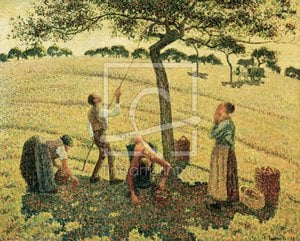
Pissarron taiteellinen tuotanto oli huomattavan monipuolista, mutta keskittyi jatkuvasti ympärillään olevaan maailmaan. Hänet tunnetaan maisemistaan sekä maaseudun että kaupunkielämän kuvauksista, usein kuvaillen kohtia jokapäiväisestä elämästä – viljelijöitä kentillä, vilkasta Pariisin katukuvia, hiljaisia kylän aukioita. Hänen maalauksensa eivät olleet pelkästään kauniita näkymiä; ne olivat sosiaalisia kommentaareja, jotka heijastivat hänen syvää empatiaan työväestöä kohtaan ja sitoutumistaan esittämään heidän elämänsä kunnialla ja kunnioituksella. Hänen myöhemmät teoksensa, erityisesti poliittisten levottomuuksien tai henkilökohtaisen vaikeuden aikakausina, kantavat usein melankoliaa ja sosiaalista kritiikkiä. *Pissarron taiteen ei ole pelkästään maailman kirjaimellinen kuvaus; se on todiste havainnoinnin, empatian ja taiteellisen innovoinnin voimasta.*



 Esikatselu
 Osta käsintehty maalaus
 Jaa
Jaa Jaa
Jaa
 Tarkemmat tiedot

 Lataa
Lataa
 Samanlaisia
 Röntgenkuva
 Diaesitys
 Tilastot


 Näytä lisää






































 Lasivaihtoehto on saatavilla vain alle 110 cm kokoisina teoksina