Katso seinällä Esikatsele AR-tilassa Vaihda tulosteeseen Siirry digitaaliseen kuvaan Lähetä
Tarkemmat tiedot Opas Lisää suosikkeihin Lataa kuva Samanlaisia kohteita Röntgenkuvaus Diaesitys Tilastot

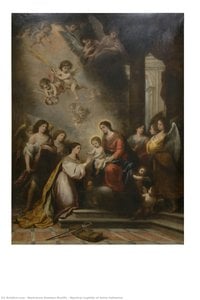
L'apparition de l'Immaculée conception à six personnages

L'apparition de l'Immaculée conception à six personnages

Bartolomé Esteban Murillo (1618-1682) oli espanjalainen barokkimaalari, tunnettu lempeistä uskonnollisista ja arkielämän maalauksista. Hänen tyylinsä yhdistää kauneuden ja tunteellisuuden.

Käsinmaalattu öljyvärinen jäljennös

Käsinmaalattu öljyväri kankaalle haluamassasi koossa ja kehyksissä, taiteilijoidemme valmistamana tilauksesta. ( Vaihda tulosteeseen Siirry digitaaliseen kuvaan)

P118B $10
P118H $10
P118W $10
P438Z $10
P508JH $12
P508YH $12
P805H $10
P805Z $10
P919BZ $10
P919G $10
P919XJ $10
P959ZH $10
P968JZ $12
W106C $8
W218G $10
W218JH $8
W218Y $10
W307PJ $10
W316G $10
W316PJ $8
W316Y $10
W398PJ $8
W4111J $10
W500HY $15
W500JH $15
W692G $12
W849H $8
W940BG $15
W953PJ $8

Vakiokoko
mittatilaustyö
CM
INCH

Valitse valmiista mitoistamme sellaiset, jotka vastaavat teoksen alkuperäisiä mittasuhteita.

leveys
korkeus

Voit syöttää omat mitat sopimaan tiettyyn kehykseen tai tilaan. Jos valitsemasi koko ei vastaa alkuperäisen kuvan mittasuhteita, rajaamme taideteoksen tai jatkamme maalausta käsin maalatuilla elementeillä. Digitaalinen esikatselu lähetetään hyväksyttäväksi ennen tuotannon aloittamista.
Huomioithan, että näytöllä oleva esikatselu ei vastaa todellista rajausta tai jatkamista. Vain digitaalinen mallikuva näyttää lopullisen sommittelun tarkasti.
Vaikka mittatilaustyöt ovat mahdollisia, suosittelemme valitsemaan mitan ennalta määritetystä listasta alkuperäisten mittasuhteiden säilyttämiseksi.

Esimerkkejä muokattavista asioista: Vaihda kasvot asiakkaan omaan valokuvaan; Lisää lemmikki (esim. korvaa kissa koiralla); Lisää taustalle piilotettu viesti; Muuta taustan maisemaa tai elementtejä.
Tilauksen jälkeen WahooArt.com -tiimi lähettää asiakkaalle sähköpostitse ohjeet ja esikatselukuvan.

Maailmanlaajuinen toimitus () 3–4 viikossa tavallisen 5 viikon sijaan. (24 syyskuu). Laadusta ei tingitä.

why_choose_icon
Ilmainen pikatoimitus ympäri maailman
why_choose_icon
Korkealaatuinen pellavakangas
why_choose_icon
Kattava kuljetusvakuutus
why_choose_icon
Tulliveron palautustakuu
why_choose_icon
Takuu täydellisestä värien vastaavuudesta
why_choose_icon
100 päivän palautusoikeus valmistusvirhetapauksissa
why_choose_icon
100% rahat takaisin -takuu
why_choose_icon
Määräalennus saatavilla

Kokonaishinta

$ 397

reproduction

L'apparition de l'Immaculée conception à six personnages

Reproduktiotapa

Replikaatin koko

-

Kokonaishinta

$ 397

Pikaista tietoa

  • Title: L'apparition de l'Immaculée conception à six personnages
  • Artist: Bartolomé Esteban Murillo
  • Location: Museo del Prado
  • Artistic style: Religious scene; Idealized depiction
  • Movement: Baroque
  • Subject or theme: Virgin Mary apparition

A Celestial Encounter: The Luminous Vision of Murillo

In the heart of the Spanish Baroque, few images command the soul with such profound tenderness as Bartolomé Esteban Murillo’s L'apparition de l'Immaculée conception à six personnages. This monumental masterpiece, conceived between 1662 and 1665 for the Santa María la Blanca Cathedral in Seville, is far more than a mere religious depiction; it is a window into the divine. As the eye meets the canvas, one is immediately struck by the ethereal presence of the Virgin Mary, appearing amidst a swirling, heavenly cloudscape. Murillo, a titan of his era, possessed an unparalleled ability to bridge the gap between the earthly and the celestial, inviting the viewer to stand alongside the six onlookers who gaze upward in breathless reverence. The composition, characterized by its vertical grandeur, draws the spirit upward, mirroring the very architectural aspirations of the cathedlam that once housed it.

The emotional resonance of the piece lies in its delicate balance between awe and intimacy. While the subject matter is undeniably epic, Murillo avoids the coldness often found in monumental religious works. Instead, he infuses the scene with a soft, palpable warmth. The onlookers—a diverse group of mortals caught in a moment of spiritual epiphany—serve as our emotional anchors. Their varied expressions of piety, wonder, and quiet contemplation allow anyone standing before the painting to find a point of connection. For the collector or the designer, this artwork offers more than just visual prestige; it provides an atmosphere of serenity and contemplative grace, making it a transformative centerpiece for any space dedicated to reflection and beauty.

Mastery of Light and Baroque Technique

To understand the magic of this work, one must look closely at Murillo’s sophisticated use of chiaroscuro. The artist employs dramatic lighting not merely as a tool for visibility, but as a profound metaphor for divine revelation. A soft, diffused light emanates from behind the Virgin Mary, sculpting her form against the hazy, atmospheric clouds and creating a natural halo that seems to pulse with life. This technique of backlighting creates a sense of depth and volume, making the drapery of her robes appear heavy and real, yet weightless enough to float within the heavens. The layers of oil paint are applied with such meticulous precision that the textures of skin, fabric, and cloud seem to possess their own distinct tactile qualities.

The color palette is a masterclass in Baroque harmony, dominated by warm, golden tones that suggest the glow of candlelight or sunset, punctuated by the cool, celestial blues and pure whites of the Virgin’s attire. This interplay of warmth and coolness enhances the painting's luminous quality, a hallmark of Murillo’s style. His brushwork, while precise in defining the figures, retains a certain fluid softness that contributes to the dreamlike, visionary atmosphere. For those seeking a high-quality reproduction, capturing these subtle gradations of tone and the delicate interplay of light is essential to preserving the spiritual radiance that defines the original masterpiece.

Symbolism and the Legacy of Faith

Every element within this composition serves a higher narrative purpose, weaving a complex tapestry of Christian iconography. The Virgin Mary’s outstretched hand is a poignant gesture of prayer and supplication, embodying the humility required to encounter the divine. Above her, an angel holds aloft a banner, a symbolic herald of the heavenly message being delivered to the faithful below. Even the clouds themselves are not merely atmospheric; they represent the boundary between the mortal realm and the kingdom of God, acting as the stage upon which this miraculous apparition unfolds.

Murillo’s ability to blend these heavy symbolic elements with such naturalistic beauty is what secures his place in the pantheon of art history. He does not force the symbolism upon the viewer; rather, he allows it to emerge organically from the light and movement of the scene. This seamless integration of meaning and aesthetics ensures that the painting remains eternally relevant, offering a timeless sense of peace and spiritual uplift. Whether displayed in a private gallery or as a focal point in a sophisticated interior, this work continues to inspire awe, serving as a lasting testament to the enduring power of faith and the sublime beauty of the Spanish Baroque.


Taiteilijan elämäkerta

A Life Bathed in Andalusian Light

Bartolomé Esteban Murillo, a name synonymous with the golden age of Spanish Baroque painting, emerged from the vibrant heart of Seville in 1618. His life, though marked by personal tragedy and societal shifts, blossomed into an artistic career that captured the spirit of his time—a period of religious fervor, social change, and burgeoning artistic innovation. Born to Gaspar Esteban, a barber-surgeon, and María Pérez Murillo, within a large family of fourteen children, young Bartolomé experienced early loss with the passing of both parents in quick succession during his childhood. This hardship led him into the guardianship of his sister’s husband, Juan Agustín Lagares, a pivotal figure who would indirectly guide his artistic path. Murillo's initial training began under Juan del Castillo, a local artist and relative through his mother, laying the foundation for a style that would eventually become uniquely his own. The early years were steeped in the realist traditions prevalent in Seville, absorbing influences from masters like Zurbarán, Ribera, and Cano—artists who prioritized stark realism and dramatic intensity. However, Murillo’s genius lay not in mere imitation but in transforming these foundations into something softer, more luminous, and profoundly human.

From Realism to Radiant Grace

Murillo's artistic journey wasn’t a sudden leap to fame but rather an evolution marked by distinct phases. His early works, heavily influenced by the austere realism of his contemporaries, showcased a meticulous attention to detail and a somber palette. Young Man with a Basket of Fruit (Personification of Summer), created around 1640-50, exemplifies this period—a grounded depiction of everyday life rendered with remarkable precision. The figures are depicted in natural light, capturing the essence of the season. Yet, even in these early pieces, hints of the tenderness and emotional depth that would define his mature style began to emerge. The Young Beggar, painted circa 1645, demonstrates a growing sensitivity towards human suffering, echoing the influence of Velázquez’s masterful portrayals of everyday people. The painting captures the vulnerability and quiet dignity of a young child in poverty, a theme that would recur throughout Murillo's career. As Murillo matured, his style underwent a remarkable transformation. He moved away from the stark realism of his predecessors, embracing a more polished and refined aesthetic that resonated with the tastes of Seville’s burgeoning bourgeois and aristocratic classes. This shift was particularly evident in his religious works, where he infused traditional iconography with an unprecedented sense of warmth, grace, and emotional accessibility. St. Jerome, painted between 1650-52, stands as a testament to this mature style—a softly luminous depiction that radiates serenity and devotion. The figure is bathed in golden light, conveying a profound sense of contemplation and spiritual peace.

A Master of Religious Sentiment and Genre Scenes

Murillo’s artistic output was remarkably diverse, encompassing religious paintings, genre scenes, portraits, and mythological subjects. However, he is most celebrated for his depictions of the Immaculate Conception—a subject that captivated him throughout his career and resulted in numerous variations, each imbued with a unique sense of ethereal beauty. These works, characterized by their delicate brushwork, luminous colors, and graceful compositions, became immensely popular and established Murillo as the preeminent painter of religious imagery in Spain. He skillfully blended traditional iconography with a deeply human touch, creating images that were both reverent and emotionally engaging. Beyond his sacred subjects, Murillo also excelled at capturing the everyday lives of ordinary people. His genre scenes—depictions of flower girls, street urchins, and beggars—offer a poignant glimpse into the social realities of 17th-century Seville. These paintings are not merely observational studies; they are imbued with a deep sense of empathy and compassion, elevating the humble subjects to a level of dignity and grace. He possessed an extraordinary ability to capture the innocence of childhood, portraying young children with remarkable realism and tenderness. The figures in these scenes often interact with each other, creating a sense of community and shared humanity.

Influences and Development

Murillo’s artistic development was shaped by a complex interplay of influences. Initially, he absorbed the stark realism and tenebrist techniques of masters like Zurbarán and Ribera, artists who dominated the Seville art scene in the preceding decades. However, Murillo quickly distinguished himself through his softer palette, luminous colors, and emphasis on human emotion—qualities that set him apart from his predecessors. A pivotal moment in his artistic evolution occurred during a visit to Madrid in 1658, where he encountered the works of Titian, Rubens, and Van Dyck. These encounters profoundly influenced his style, leading him to adopt a more dynamic composition, richer colors, and a greater sense of elegance. He also drew inspiration from the religious art of the Venetian Renaissance, particularly its emphasis on beauty, grace, and emotional intensity. Murillo’s style evolved over time, reflecting both his artistic influences and his own personal vision. His early works are characterized by their meticulous detail and somber palette, while his later paintings are marked by a greater sense of light, color, and emotional warmth.

Legacy and Enduring Influence

Bartolomé Esteban Murillo’s impact on the course of Spanish art—and indeed, European painting—is undeniable. He established a distinctive style that blended religious devotion with humanistic sentiment, creating works that resonated deeply with audiences across social strata. His influence extended far beyond his native Spain, inspiring generations of artists throughout Europe. Gainsborough and Greuze, among others, acknowledged their debt to Murillo’s luminous style and sensitive portrayals of human emotion. He trained numerous pupils in his Seville workshop, ensuring the continuation of his artistic legacy. His paintings can be found in prestigious museums worldwide, including the Museo del Prado in Madrid, the Hermitage Museum in Saint Petersburg, the Wallace Collection in London, and the Timken Museum of Art in San Diego—testaments to his enduring appeal and historical significance. Murillo’s art continues to captivate viewers with its beauty, grace, and profound humanity, solidifying his place as one of the most beloved and influential painters of the Spanish Baroque period. His ability to infuse religious imagery with emotional depth and portray everyday life with empathy ensures that his work remains relevant and inspiring centuries after his death in 1682.
Bartolomé Esteban Murillo

Bartolomé Esteban Murillo

1618 - 1682 , Espanja

Tietoa taiteilijasta

  • Artistic Movement Or Style: Barokki
  • Artists Or Movements Influenced By This Artist:
    • Gainsborough
    • Greuze
  • Artists Who Influenced This Artist:
    • Zurbarán
    • Ribera
  • Date Of Birth: 1. tammikuuta 1618
  • Date Of Death: 3. huhtikuuta 1682
  • Full Name: Bartolomé Esteban Murillo
  • Nationality: Espanjalainen
  • Notable Artworks:
    • Immakula
    • Nuori tyttö
    • Jeremia
  • Place Of Birth: Sevilla, Espanja