Discover Tintoretto (Jacopo Comin), a Venetian Renaissance master renowned for his dramatic compositions, bold brushwork ('Il Furioso'), and innovative use of light & perspective. Explore iconic works & his lasting legacy!
Discover Johann Zoffany's 18th-century masterpieces! Renowned for 'conversation pieces,' blending German precision & Italian flair. Explore portraits, history paintings & more – available at WahooArt.
François Clouet (1510-1572): Discover the exquisite portraits of the French Renaissance court. Renowned for detail & accuracy, explore his masterpieces today!
A Legacy Forged in Art: Exploring the Museo Thyssen-Bornemisza
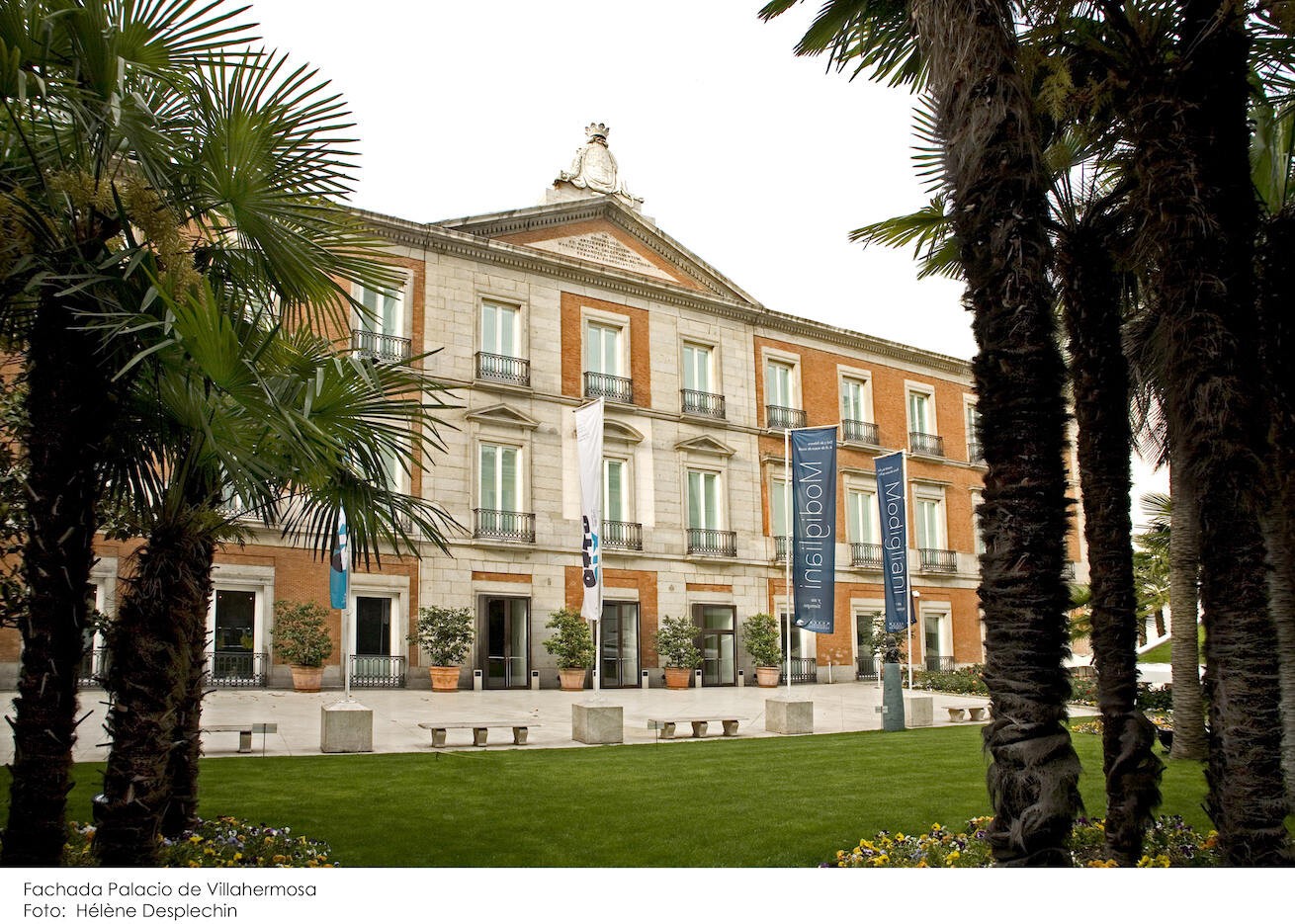
Madrid’s Museo Nacional Thyssen-Bornemisza isn't simply a building filled with paintings; it is a testament to vision, passion, and an unwavering dedication to completing an artistic narrative. Nestled within the city’s famed “Golden Triangle of Art,” alongside the Prado and Reina Sofía museums, the Thyssen-Bornemisza distinguishes itself by bridging historical gaps, offering a panoramic sweep of European art from the medieval period through to the late 20th century. Where its neighbors excel in specific areas – the Prado with Spanish masters, the Reina Sofía with modern and contemporary works – the Thyssen-Bornemisza steps in to fill the voids, creating an unparalleled journey through eight centuries of artistic evolution. The museum’s very existence is a story of discerning collecting, beginning with Heinrich Thyssen-Bornemisza de Kászon in the 1920s and continuing with his son, Hans Heinrich, and daughter-in-law, Carmen Cervera. Initially assembled as a private collection, it blossomed into a national treasure thanks to a pivotal agreement with the Spanish government in 1992, transforming a family estate in Lugano into a vibrant cultural hub for all.
From Italian Primitives to Modern Masters: A Collection of Singular Breadth
Stepping inside the Museo Thyssen-Bornemisza is akin to embarking on an immersive voyage through art history. The collection’s strength lies not just in individual masterpieces, but in its comprehensive scope. Early European painting is exceptionally well represented, with a stunning array of Italian Primitives from the 14th and 15th centuries – works by Duccio, Luca di Tommè, Bernardo Daddi, Paolo Uccello, and Benozzo Gozzoli transport viewers to a world of devotional artistry and nascent Renaissance techniques. These delicate panels, imbued with symbolic detail and shimmering gold leaf, offer a glimpse into the spiritual fervor of the era. This foundation is then built upon with significant Old Master paintings acquired by Heinrich Thyssen-Bornemisza, including compelling pieces by Ghirlandaio and Carpaccio. However, it was Hans Heinrich who truly expanded the museum’s horizons, recognizing the need for representation from schools often overlooked in Spanish collections. He strategically amassed works from the English, Dutch, and German traditions – landscapes that capture the light of northern Europe, portraits revealing the character of a burgeoning merchant class, and still lifes brimming with symbolic meaning. Alongside these acquisitions came a remarkable collection of Impressionist and Expressionist paintings that provide a crucial link to modern art. The brushstrokes of Monet, Degas, and Renoir dance across canvases, capturing fleeting moments of light and atmosphere, while the bold colors and emotional intensity of Kirchner, Nolde, and Kokoschka reflect the anxieties and upheavals of the early 20th century. The journey doesn't end there; the Thyssen-Bornemisza also boasts an impressive selection of 20th-century American painting, culminating in powerful works by artists like Lucian Freud, whose unflinching portraits explore the complexities of human existence.
Architecture as Backdrop: A Space Designed for Contemplation
The museum building itself is a subtle yet significant element of the visitor experience. Constructed specifically to house the Thyssen-Bornemisza collection, it’s a modern architectural statement that doesn't compete with the art within but rather provides an elegant and neutral backdrop. The interior spaces are thoughtfully designed to facilitate contemplation, with ample natural light and a calming color palette – famously, Baroness Carmen Cervera chose the salmon pink walls specifically to enhance the viewing experience and create a harmonious atmosphere. This wasn’t merely an aesthetic choice; it was a deliberate attempt to soften the often-harsh glare of gallery lighting and allow the colors within the paintings to truly resonate. This attention to detail extends beyond aesthetics; the museum’s layout encourages a chronological exploration of art history, guiding visitors through centuries of artistic innovation. The building's design allows for both intimate encounters with individual works and broader perspectives on stylistic movements, fostering a deeper understanding and appreciation of European art.
A Personal Touch: Legacy and Ongoing Influence
What truly sets the Museo Thyssen-Bornemisza apart is its deeply personal history. It’s not simply a collection assembled by anonymous donors; it's the tangible legacy of a family’s passion for art. The ongoing involvement of Carmen Cervera, even today, underscores this connection and adds a unique charm to the museum. Her influence extends beyond the interior design, shaping exhibitions and ensuring that the Thyssen-Bornemisza remains a dynamic and relevant cultural institution. This personal touch transforms the museum from a static display into a living testament to artistic patronage and the enduring power of vision. The Museo Carmen Thyssen in Málaga further exemplifies this family commitment to art, showcasing 19th-century Spanish painting within a stunning palace setting. Visiting the Thyssen-Bornemisza is therefore not just about viewing masterpieces; it’s about connecting with a story – a story of collecting, preservation, and a profound love for the artistic heritage of Europe.
It's an invitation to witness how one family’s dedication can enrich the cultural landscape for generations to come.
By the WahooArt.com Editorial Team
Art Quiz
There is only one correct answer for each question.
Question 1:
The Museo Thyssen-Bornemisza is part of what is known as the "Golden Triangle of Art" in Madrid, alongside which other two museums?
Question 2:
What is a key characteristic that distinguishes the Thyssen-Bornemisza Museum from its neighbors, the Prado and Reina Sofía?
Question 3:
The Thyssen-Bornemisza collection initially began as what?
Question 4:
The museum's building is described as providing what kind of backdrop for the art?
Question 5:
What is a notable aspect of the museum's interior design, chosen by Baroness Carmen Cervera?
Question 6:
The collection spans art from which time period?
Question 7:
What type of art is Museo Carmen Thyssen in Málaga known for showcasing?
Question 8:
Which of the following artists is mentioned as being represented in the Thyssen-Bornemisza collection?
Question 9:
What was Heinrich Thyssen-Bornemisza's strategy for acquiring Old Master paintings?
Question 10:
The Thyssen-Bornemisza Museum fills gaps in the Prado's collection by including art from which schools?
Embark on a sophisticated journey through Austrian art history. Explore the golden brilliance of Gustav Klimt and the elegance of the Vienna Secession through an expert lens, celebrating the enduring soul of Central European masterpieces.
Explore the profound legacy of European history through its most iconic masterpieces. From royal portraits to Renaissance wonders, journey through the timeless chronicles of art that shaped a continent's soul and cultural identity.
Embark on a visual journey through European masterpieces. Discover the profound beauty of Renaissance, Baroque, and Flemish art through our expert curation of timeless elegance and historical grandeur.