x


 Neoclassicism
 1828
1828 18.0 x 14.0 cm
Hand-painted oil on canvas in your size and frame, made to order by our artists. ( Buy Print Buy Image)
Pick from our preset sizes that match the artwork's original proportions.

You may enter your own dimensions to fit a specific frame or space. If your selected size does not match the original image's proportions, we will either crop the artwork or extend the painting with additional hand-painted elements. A digital mockup will be sent for your approval before production begins.
Please note that the on-screen preview does not reflect the actual cropping or extension. Only the mockup will accurately show the final composition.
While custom sizes are available, we recommend selecting a dimension from the predefined list to preserve the original proportions.
Worldwide Delivery () in 3/4 weeks instead of standard 5 weeks. (26 August). No compromise on quality.


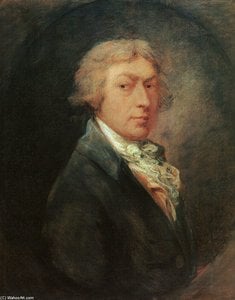
Self Portrait
Reproduction Size

Thomas Woodward, born in the bustling heart of London in 1801, emerged as a profound and biting voice during one of the most transformative eras in British history. The Victorian age, characterized by the relentless march of industrialization and deep-seated social upheaval, provided the perfect canvas for an artist possessed of both technical mastery and a keen eye for human fraelity. Woodward’s artistic vision was not merely a product of his time but was deeply rooted in an intellectual upbringing that embraced the grandeur of classical literature and the complexities of philosophy. This foundation allowed him to infuse his satirical engravings with a layer of sophistication, moving beyond simple mockery to offer astute observations on the follies of contemporary society.
His journey into the world of fine art began through a rigorous apprenticeship under the celebrated engraver George Moutard Woodward. It was during these formative years that he mastered the intricate techniques of mezzotint printing, a medium renowned for its ability to manipulate light and shadow to create rich, velvety tones. This technical prowess became the cornerstone of his career, enabling him to capture the subtle nuances of emotion and character that defined his work. Beyond the workshop, Woodward drew inspiration from the epic narratives of Homer’s Iliad and Odyssey, a passion that instilled a sense of dramatic composition and classical weight within even his most humorous caricatures.
As his reputation grew, Woodward became a sought-after talent for publishers looking to capture the zeitgeist of the nineteenth century. His career was marked by an extraordinary ability to translate the energy of London life into visual narratives that resonated with both the elite and the common observer. A significant portion of his artistic legacy is tied to his brilliant collaborations, most notably with fellow engravers such as Rowlandson. Together, they forged a partnership that produced some of the era’s most iconic satirical prints, tackling the pressing anxieties of the day—from the shadows of parliamentary corruption to the dizzying, often frightening, pace of industrial progress.
While much of his fame rests upon the sharp wit of his engravings, Woodward also demonstrated a remarkable versatility in more traditional mediums. His ability to pivot from the biting edge of caricature to the tender, evocative beauty of oil painting reveals an artist of immense depth. In works such as A Greyhound in Pursuit of a Hare, one can witness his mastery of dynamic movement and the raw energy of the natural world. Similarly, his more contemplative pieces, like The Shepherd Boy with His Dogs, showcase a Romantic sensibility, utilizing impasto techniques to celebrate childhood innocence and the quiet majesty of nature.
The significance of Thomas Woodward lies in his dual role as both a chronicler of social truth and a master of technical printmaking. He did not merely observe the Victorian era; he interrogated it. Through his lens, the contradictions of a society caught between tradition and modernity were laid bare, often through the medium of laughter. His work serves as a vital historical document, capturing the textures, tensions, and triumphs of a London in flux.
Today, the works of Woodward continue to captivate art historians and enthusiasts alike, standing as a testament to a period of unparalleled artistic experimentation. His contributions can be summarized through several enduring impacts:
Though his life was relatively short, ending in 1852, the echoes of Woodward’s wit and the precision of his hand remain etched in the annals of British art history, reminding us of the power of art to reflect, critique, and ultimately immortalize the human condition.

1801 - 1852

Discover the profound allure of oil on canvas. Explore the mastery of impasto textures, the science of pigment longevity, and expert guides to selecting museum-quality reproductions that elevate your collection with timeless elegance and tactile depth.

Explore the refined world of Neoclassical portraiture. Discover the mastery of line, light, and order through an expert exploration of academic art history, from Jacques-Louis David to Jean-Antoine Houdon. Immerse yourself in the timeless elegance of classical realism.

Discover the enduring allure of oil on canvas. Explore how master techniques like impasto and glazing create the depth, texture, and emotional resonance found in the world's greatest masterpieces. An essential guide for fine art enthusiasts and discerning collectors.


Stay updated with the latest art news, exclusive offers, and decoration ideas.
Tell us about your project and our art experts will provide you with 3 personalized art suggestions.
Let Us Curate 3 Options Just for You - Free!

 Preview
 Send
Send Share
Share
 Details

 Download
 Similars
 X-Ray
X-Ray Diaporama
 Read More




































 Glass option is only available in size under 110 CM