Preview AR preview Switch to Print Buy Hand Made Painting Send
Details Guide Add to favorites Download Similars X-Ray Diaporama Stats

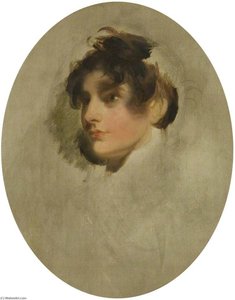
Dr John Richard Farre

Thomas Phillips (1770-1845) created this stunning depiction of Dr John Richard Farre, highlighting his intellect and contribution to ophthalmology. The painting's ornate frame complements the subject’s dignified pose amidst scholarly books.

Discover Thomas Phillips (1770-1845), a British portrait & history painter renowned for detailed realism and capturing prominent figures like Lord Byron. #BritishArt #PortraitPainting

Purchase a high-resolution, enhanced digital image, far superior to the online preview.

Each file is meticulously prepared by our in-house specialists using advanced tools and expert manual retouching. We ensure every image has exceptional clarity, precise color accuracy, and fine detail.

The final file is delivered via email within 72 hours, optimized for immediate use in professional, editorial, and print environments. This is the same quality trusted by top-tier design studios, publishers, and galleries.

Digital Image

Download a high-resolution file for personal display, printing, and creative projects. ( Switch to Print Buy Hand Made Painting)

Total Price

$ 24.90

Included in Every Digital Image Order

Expert Digital Delivery, Guaranteed

When you choose WahooArt.com, you're not just getting an image - you're receiving a professionally enhanced digital artwork, crafted with precision and backed by a satisfaction guarantee. Here's everything that comes with your order, automatically:

shipping_icon
Fast Email Delivery

Your high-resolution digital image file will be emailed to you within 72 hours of ordering - ready for immediate use.

canvas_icon
AI-Enhanced Digital File

Your artwork is professionally optimized using advanced AI tools and manual editing, ensuring maximum detail, clarity, and color accuracy.

insurance_icon
Free Lifetime Re-Delivery

Accidentally deleted or lost your file? No worries - we'll resend it to you anytime, free of charge.

tax_icon
No Import Fees - Ever

Enjoy your artwork instantly with zero customs, duties, or delivery fees - digital downloads are always tax-free.

color_icon
Color Accuracy Guarantee

We ensure your digital image reflects the original colors as closely as possible using professional tools and color management.

return_icon
100-Day Satisfaction Guarantee

If you're not satisfied with your digital image, we'll revise it or refund 100% within 100 days - no questions asked.

guarantee_icon
100% Money-Back Guarantee

Not satisfied? Get a full refund within 100 days of receiving your digital file - no questions asked.

discount_icon
Bulk Order Discounts

Buy 3 images, save 10% - Buy 5, save 15% - Buy 10+, save 20%. Great for creative projects, galleries, and agencies.

Quick Facts

  • Medium: Oil on canvas (implied)
  • Artistic style: Portraiture
  • Artist: Thomas Phillips
  • Title: Dr John Richard Farre
  • Notable elements or techniques:
    • Ornate frame
    • Books

Art Quiz

There is only one correct answer for each question.

Question 1:
What is the primary subject depicted in this portrait?
Question 2:
What elements in the painting suggest the subject's intellectual pursuits?
Question 3:
Thomas Phillips, the artist, initially trained in what craft before focusing on portraiture?
Question 4:
The overall atmosphere of the painting is described as one of:
Question 5:
Which historical period does the subject's attire suggest?

A Portrait of Enlightenment and Intellect

This captivating portrait presents Dr John Richard Farre, a figure whose very presence seems steeped in the refined atmosphere of the early nineteenth century. The subject is rendered with an air of distinguished gravity; his white hair catches the light, complementing the crisp formality of his suit and the immaculate white cravat encircling his neck. Thomas Phillips, the masterful hand behind this work, captures not merely a likeness, but an entire persona—that of a man of considerable standing within polite society. The meticulous rendering of his attire speaks volumes about the social codes and expectations governing prominent gentlemen during that era, suggesting a life lived under the careful gaze of societal expectation.

The Symbolism of Scholarship

What elevates this piece beyond a mere portrait is the thoughtful inclusion of scholarly accoutrements. Scattered around Dr Farre are several volumes—books whose presence acts as a silent testament to his intellectual pursuits. These scattered texts are not decorative filler; they are potent symbols, suggesting that knowledge was not just an interest, but a cornerstone of his identity. They invite the viewer to look deeper, to contemplate the depth of thought and the breadth of learning that underpinned his societal stature. The overall composition balances the personal dignity of the sitter with the universal pursuit of wisdom, creating a dialogue between man and mind.

Mastery in Technique and Atmosphere

Thomas Phillips’s technique is evident in every brushstroke. While the subject matter grounds us firmly in portraiture, the execution hints at the broader technical prowess that characterized his career. The handling of fabric, the subtle gradation of skin tones, and the richness implied by the ornate frame surrounding the scene all speak to a high degree of craftsmanship. The atmosphere cultivated is one of profound sophistication and quiet authority. It is an environment where conversation would be measured, ideas debated with passion, and refinement was paramount.

A Touchstone for Contemporary Interiors

For the discerning collector or interior designer, this reproduction offers more than just wall art; it offers a curated piece of historical ambiance. Imagine this portrait gracing a library, a formal drawing-room, or an academic study. It instantly bestows an air of cultivated history and enduring taste upon any space. The combination of formal portraiture and intellectual symbolism makes it incredibly versatile, appealing to those who appreciate both the artistry of the past and the quiet dignity of learned pursuits.


Artist Biography

Early Life and Artistic Foundations

Thomas Phillips, born in Dudley, Worcestershire, in 1770, emerged from relatively modest beginnings to become a prominent figure in the British art scene of the late 18th and early 19th centuries. His initial artistic training wasn’t within the traditional confines of painting, but rather in the craft of glass-painting under Francis Eginton in Birmingham. This foundational experience instilled in him a meticulous attention to detail and an understanding of color and light that would later characterize his portraiture. A pivotal moment arrived in 1790 when Phillips journeyed to London, armed with an introduction to Benjamin West, a leading artist of the time and a key figure in the Royal Academy. West’s guidance opened doors for Phillips, securing him employment on the painted-glass windows of St George's Chapel at Windsor Castle – a project that allowed him to hone his skills within a grand architectural context. This early exposure to large-scale decorative work undoubtedly shaped his compositional sensibilities and appreciation for narrative storytelling in art. In 1791, Phillips formally enrolled as a student at the Royal Academy, marking the beginning of his formal artistic education and his integration into the established art world.

A Rising Portraitist: Style and Subject Matter

Phillips quickly found his niche in portraiture, though not without navigating a competitive landscape already populated by renowned artists like Thomas Lawrence and John Hoppner. Initially, his sitters were largely unknown individuals, but through dedication and skill, he steadily ascended the social ladder, attracting increasingly prominent figures to his studio. His style was characterized by a meticulous realism, reflecting both the influence of his early training in glass-painting and the prevailing artistic tastes of the era. He possessed an ability to capture not just physical likeness, but also something of the sitter’s character and intellect. This talent proved particularly valuable when portraying the “men of genius” – scientists, writers, poets, and explorers – who became a recurring theme in his work.

Royal Patronage and Academic Recognition

The year 1804 marked a significant turning point in Phillips’ career with his election as an associate of the Royal Academy, alongside William Owen. This recognition solidified his position within the artistic establishment. Shortly thereafter, he relocated to 8 George Street, Hanover Square, a prestigious address that would remain his home and studio for the next four decades. His clientele continued to expand, encompassing members of the royal family and the aristocracy. He painted portraits of the Prince of Wales (later George IV), the Marchioness of Stafford, and Lord Thurlow, among others. A particularly celebrated portrait from this period is that of William Blake, now housed in the National Portrait Gallery – a work admired for its sensitive depiction of the poet’s intense gaze and visionary spirit. In 1808, Phillips achieved full academician status, presenting his diploma work *Venus and Adonis*, considered one of his most imaginative compositions, demonstrating a departure from purely portraiture into more ambitious narrative painting.

Later Years: Professorship and Legacy

Phillips’s contributions to the art world extended beyond his own paintings. In 1825, he was appointed Professor of Painting at the Royal Academy, succeeding Henry Fuseli – a position he held until 1832. This role allowed him to share his knowledge and expertise with aspiring artists, shaping the next generation of British painters. He published *Lectures on the History and Principles of Painting* in 1833, offering insights into his artistic philosophy and pedagogical approach. While his later years saw a slight decline in public acclaim, Phillips remained a respected figure within the art community until his death in 1845. His legacy lies not only in the numerous portraits he created – capturing the likenesses of many notable figures of his time – but also in his dedication to artistic education and his contribution to the development of British portraiture. He left behind a body of work that reflects both the technical skill and the intellectual curiosity of an artist deeply engaged with the cultural landscape of his era. His attention to detail, combined with a sensitivity to character, ensures his place as a significant figure in 19th-century British art.
Thomas Phillips

Thomas Phillips

1770 - 1845 , United Kingdom

Quick Facts

  • Artistic Movement Or Style: Romanticism
  • Artists Who Influenced This Artist: ['Benjamin West']
  • Date Of Birth: 1770
  • Date Of Death: 1845
  • Full Name: Thomas Phillips
  • Nationality: British
  • Notable Artworks:
    • Venus and Adonis
    • Lord Byron
    • Canon Gisborne
  • Place Of Birth: Dudley, UK