A Pioneer of the American Landscape
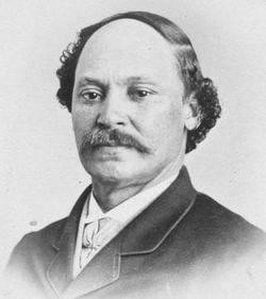
Robert Seldon Duncanson, a name that resonates with both artistic brilliance and historical significance, emerged as a pivotal figure in 19th-century American art. Born around 1821 in Fayetteville, New York, to parents of European and African descent—his father, John Dean Duncanson, a free Black tradesman who instilled the values of diligence and learning—Duncanson navigated a world fraught with racial prejudice while simultaneously achieving international acclaim as a landscape painter. His journey was one of self-education, unwavering dedication, and a profound connection to the natural world, ultimately establishing him as the first African American artist to gain widespread recognition on both sides of the Atlantic. The family’s relocation to Monroe, Michigan, saw young Robert apprenticed in carpentry and painting, revealing an early aptitude for art that would soon define his life's path.
From Portraiture to Panoramic Vistas
Duncanson’s artistic development began with portraiture, a practical means of establishing himself as a professional artist. However, the burgeoning cultural scene of Cincinnati, Ohio—a city known as the “Athens of the West”—beckoned him in 1840, offering opportunities for growth and exposure that were unavailable elsewhere. Largely self-taught, Duncanson honed his skills through diligent study of prints and engravings, sketching directly from nature, and meticulously copying the works of established masters. This rigorous approach allowed him to develop a keen eye for detail and a remarkable technical proficiency despite lacking formal training. It was in Cincinnati that he began his transition towards landscape painting, drawn by the romantic ideals and sublime beauty of the American wilderness. The influence of the Hudson River School became increasingly apparent in his work, particularly the evocative compositions of Thomas Cole, whose dramatic depictions of nature resonated deeply with Duncanson’s own artistic sensibilities. He wasn't merely replicating scenes; he was interpreting them through a uniquely personal lens, imbuing his canvases with a sense of tranquility and spiritual connection.
A European Sojourn and International Recognition
A turning point in Duncanson’s career arrived in 1853-1854 with an extended tour of Europe. This journey provided him with invaluable exposure to the works of European masters, broadening his artistic horizons and refining his technique. He studied the Old Masters, absorbing their approaches to light, color, and composition, which he then integrated into his own distinctive style. Upon his return, Duncanson’s work demonstrated a newfound sophistication and maturity, attracting attention not only in America but also in England, Scotland, and Canada. Exhibitions followed, solidifying his reputation as an artist of considerable talent and vision. He became a key figure in developing the Ohio River Valley landscape tradition, capturing the serene beauty of the region with remarkable skill. His paintings weren’t simply representations of place; they were expressions of mood, atmosphere, and the sublime power of nature.
Legacy and Historical Significance
Robert Seldon Duncanson's legacy extends far beyond his artistic achievements. He broke down barriers for African American artists during a period marked by pervasive racial discrimination, serving as an inspiration for future generations. His success challenged prevailing societal norms and demonstrated the power of art to transcend prejudice. While art historians continue to debate the extent to which his race influenced his artistic expression—some suggesting subtle symbolic representations of racial themes within his landscapes—there is no denying that Duncanson’s life story is a testament to resilience, talent, and the enduring human spirit. For many years, his work was unjustly overlooked, but recent scholarship and exhibitions have brought renewed attention to his contributions to American art history.
A Lasting Impression
Duncanson's paintings offer more than just aesthetic pleasure; they invite contemplation on themes of nature, spirituality, and the human condition. His masterful use of color, meticulous detail, and evocative compositions create a sense of immersion, drawing viewers into the tranquil beauty of his landscapes. He died unexpectedly in 1872 while preparing for an exhibition in Detroit, possibly due to lead poisoning from the paints he used. Today, Robert Seldon Duncanson stands as a pioneering figure—a testament to the power of art to overcome adversity and leave an indelible mark on the world. His serene vistas continue to captivate audiences, reminding us of the enduring beauty of nature and the remarkable talent of an artist who dared to dream beyond the limitations imposed upon him by his time.
- Major Themes: Landscape painting, Romanticism, Hudson River School influence, spiritual connection with nature.
- Notable Works: “Landscape with Sheep,” “Roses Still Life,” and numerous depictions of the Ohio River Valley.


 Buy Hand Made Painting



 Preview
 Send
Send Share
Share
 Details
 Guide
Guide

 Download
 Similars
 X-Ray
X-Ray Diaporama
 Stats
Stats

 Read More






































 Glass option is only available in size under 110 CM


