
x


 Oil On CanvasWallArtRomantic Landscape
 1775Early Modern
 91.0 x 121.0 cm
 National Gallery of Art
Hand-painted oil on canvas in your size and frame, made to order by our artists. ( Buy Print Buy Image)





























Pick from our preset sizes that match the artwork's original proportions.

You may enter your own dimensions to fit a specific frame or space. If your selected size does not match the original image's proportions, we will either crop the artwork or extend the painting with additional hand-painted elements. A digital mockup will be sent for your approval before production begins.
Please note that the on-screen preview does not reflect the actual cropping or extension. Only the mockup will accurately show the final composition.
While custom sizes are available, we recommend selecting a dimension from the predefined list to preserve the original proportions.
Worldwide Delivery () in 3/4 weeks instead of standard 5 weeks. (26 August). No compromise on quality.


The Ponte Solario
Reproduction Size
Hubert Robert’s “The Ponte Solario,” completed in 1775, stands as a cornerstone of Romantic landscape painting—a genre that prioritized emotion and imagination over strict adherence to classical ideals. More than just a depiction of crumbling stone and weathered timbers, the canvas embodies Robert's fascination with ruins as symbols of time’s relentless passage and the sublime beauty inherent in decay.
The painting portrays a magnificent castle perched atop a rocky promontory overlooking a tranquil lake. A graceful bridge spans across the water, connecting the castle to the shore—a deliberate compositional element that reinforces the sense of grandeur juxtaposed with vulnerability. Scattered boats dot the surface of the lake, adding dynamism and hinting at human presence within this desolate landscape.
Robert’s approach aligns closely with the burgeoning Romantic movement, anticipating elements of Impressionism decades before its formal emergence. He eschewed meticulous detail in favor of capturing fleeting atmospheric effects—the diffused light filtering through mist, the subtle gradations of color reflecting off the stone surfaces. Robert skillfully employed a technique known as “plein air” painting, venturing outdoors to directly observe and render the natural world, prioritizing immediacy and sensory experience.
Robert's work emerged during the waning years of the Enlightenment, a period characterized by rational thought and scientific inquiry. However, Robert actively resisted these dominant intellectual currents, embracing instead the emotional power of imagination and memory—themes central to Romantic aesthetics. He drew inspiration from the ruins of Roman temples and villas, reflecting a broader cultural preoccupation with antiquity and its perceived moral lessons. The painting speaks to a yearning for beauty amidst ruin, mirroring anxieties about mortality and the inevitable decline of civilization.
Robert’s masterful use of light and shadow elevates decay beyond mere physical deterioration; it becomes an emblem of spiritual transformation. The crumbling castle represents not just structural weakness but also the fading glory of aristocratic power—a poignant commentary on societal change. Yet, the pervasive luminescence imbues the scene with a sense of serenity and wonder, suggesting that even in ruin, beauty persists—a profound meditation on the cyclical nature of existence.
"The Ponte Solario" evokes a powerful emotional response in viewers. Its melancholic atmosphere invites contemplation on themes of loss, remembrance, and acceptance. The painting’s luminous palette captures the sublime grandeur of nature while simultaneously conveying a sense of poignant solitude—a testament to Robert's ability to translate complex psychological ideas into visually arresting imagery.

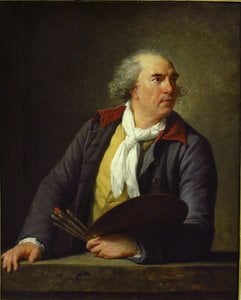
1733 - 1808 , France

Explore the profound emotional power of Romantic landscape art. Discover how masters like Friedrich captured the sublime through breathtaking nature, and learn to curate these evocative masterpieces for your luxury interior collection.


Stay updated with the latest art news, exclusive offers, and decoration ideas.
Tell us about your project and our art experts will provide you with 3 personalized art suggestions.
Let Us Curate 3 Options Just for You - Free!

 Preview
 Send
Send Share
Share
 Details

 Download
 Similars
 X-Ray
X-Ray Diaporama
 Read More







 Glass option is only available in size under 110 CM


