x
PreviewPreview AR previewAR preview Buy Print Buy PrintBuy Image Buy Image SendSend
DetailsDetails Add to favorites Add to favorites DownloadDownload SimilarsSimilars X-RayX-Ray DiaporamaDiaporama

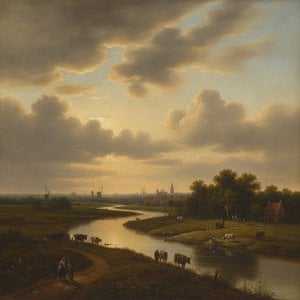
The Fair

Egbert van der Poel (1621-1664): Dutch Golden Age painter of genre scenes, landscapes & the 1654 Delft explosion. Explore his vivid historical views!

Egbert van der Poel (1621-1664): Dutch Golden Age painter known for vivid genre scenes, landscapes & dramatic depictions of the 1654 Delft explosion. Explore his art!

Hand Made Oil Reproduction

Hand-painted oil on canvas in your size and frame, made to order by our artists. (Buy Print Buy PrintBuy Image Buy Image)

P118B $10
P118H $10
P118W $10
P438Z $10
P508JH $12
P508YH $12
P805H $10
P805Z $10
P919BZ $10
P919G $10
P919XJ $10
P959ZH $10
P968JZ $12
W106C $8
W218G $10
W218JH $8
W218Y $10
W307PJ $10
W316G $10
W316PJ $8
W316Y $10
W398PJ $8
W4111J $10
W500HY $15
W500JH $15
W692G $12
W849H $8
W940BG $15
W953PJ $8

Standard
custom
CM
INCH

Pick from our preset sizes that match the artwork's original proportions.

width
height

You may enter your own dimensions to fit a specific frame or space. If your selected size does not match the original image's proportions, we will either crop the artwork or extend the painting with additional hand-painted elements. A digital mockup will be sent for your approval before production begins.
Please note that the on-screen preview does not reflect the actual cropping or extension. Only the mockup will accurately show the final composition.
While custom sizes are available, we recommend selecting a dimension from the predefined list to preserve the original proportions.

Examples of what can be changed: Replace face with customer photo; Add pet (e.g., replace cat with dog); Include hidden message in background; Change background landscape or elements.
After order, WahooArt.com team will email client for instructions and provide a mockup preview

Worldwide Delivery () in 3/4 weeks instead of standard 5 weeks. (28 August). No compromise on quality.

why_choose_icon
Free Worldwide Express Shipping
why_choose_icon
High-Quality Linen Canvas
why_choose_icon
Full Shipping Insurance
why_choose_icon
Customs Tax Refund Guarantee
why_choose_icon
True Color Matching Guarantee
why_choose_icon
60-Day Return Policy (Defects Only)
why_choose_icon
100% Money-Back Guarantee
why_choose_icon
Bulk Discount Offer

Total Price

$ 272

reproduction

The Fair

Reproduction Medium

Reproduction Size

-

Total Price

$ 272

Quick Facts

  • Artistic style: Genre painting
  • Artist: Egbert van der Poel
  • Influences: Rembrandt Van Rijn
  • Title: The Fair
  • Notable elements or techniques: Detailed architectural rendering
  • Location: The Hermitage Museum
  • Year: 1661

Art Quiz

There is only one correct answer for each question.

Question 1:
What is the title of this painting?
Question 2:
In what century was this artwork created?
Question 3:
Where is "The Fair" currently housed?
Question 4:
What artistic movement is associated with Egbert Van Der Poel's style?
Question 5:
Describe one prominent feature of the painting’s composition.

A Window Into Dutch Golden Age Life

The painting “The Fair” by Egbert van der Poel is a captivating depiction of a lively street scene from the Dutch Golden Age, capturing the vibrancy and dynamism of daily life during one of Europe’s most prosperous artistic periods. Created in 1661, this oil on panel masterpiece measures 98 x 158 cm and resides within the esteemed halls of The Hermitage Museum in St. Petersburg, Russia—a testament to its enduring significance and artistic merit. More than just a visual representation, “The Fair” serves as a window into the social fabric of Delft during this era, offering viewers an unparalleled glimpse into the customs, commerce, and communal spirit that defined Dutch society at its zenith.

A Detailed Examination of Composition and Technique

Van der Poel’s masterful technique is immediately apparent upon observation. He employs a meticulous approach to rendering light and shadow, utilizing subtle gradations to create a palpable sense of depth and atmosphere—a hallmark of Baroque painting influenced by artists like Rembrandt and Saftleven. The artist skillfully utilizes impasto brushstrokes, layering pigment thickly onto the canvas surface, particularly in areas depicting architectural details and figures’ clothing, enhancing textural richness and conveying movement. Notice how the light spills across the cobblestones and illuminates faces, drawing the eye into the bustling activity of the fair. This careful attention to detail underscores Van der Poel's dedication to capturing not merely what he saw but also how it felt—the energy of a public celebration.

Historical Context: Delft in Bloom

Delft flourished during the 17th century as a center for trade, craftsmanship, and artistic innovation. The Fair itself was a cornerstone of Delft’s economic life, attracting merchants from across Europe and fostering a lively exchange of goods and ideas. Beyond commerce, it represented social cohesion—a space where citizens gathered to celebrate festivals, engage in convivial conversation, and reaffirm their shared identity. Van der Poel's depiction reflects this broader cultural landscape, portraying not just individuals but also the collective experience of a community invested in its traditions. The inclusion of the church tower serves as a visual reminder of Delft’s religious piety—a crucial element of Dutch society at the time.

Symbolism and Emotional Resonance

The painting transcends mere representation; it communicates profound emotional resonance. Observe the expressions on the faces of the figures – ranging from joyous anticipation to quiet contemplation – conveying a spectrum of human emotions. The vibrant colors employed by Van der Poel—particularly reds, yellows, and blues—are not merely decorative but contribute to the overall mood, amplifying the sense of excitement and celebration. Furthermore, the depiction of everyday activities—shopping, socializing, observing—highlights the importance of ordinary life in shaping cultural values and artistic inspiration. “The Fair” invites viewers to contemplate themes of community, prosperity, and human connection—themes that continue to resonate powerfully today.

Legacy and Influence: Beyond Delft’s Walls

Egbert van der Poel's "The Fair" stands as a remarkable achievement within the Dutch Golden Age canon, influencing subsequent generations of artists with its masterful realism and atmospheric perspective. Like other celebrated works by Van Der Poel—including “Fire in a Village”—it exemplifies his unwavering commitment to portraying the human condition with sensitivity and nuance. Its enduring appeal lies not only in its technical brilliance but also in its ability to transport viewers back in time, allowing them to experience the spirit of Delft during its golden age. Reproductions of this iconic painting offer collectors and interior designers alike a chance to bring a piece of Dutch history into their homes—a tangible connection to an era defined by artistic innovation and cultural flourishing.
  • Artist: Egbert van der Poel
  • Birth Year: 1621
  • Death Year: 1664
  • Birth City: Delft
  • Birth Country: Netherlands
Size: 98 x 158 cm Date: 1661 Explore More Works by Egbert Van Der Poel Visit WahooArt.com

Artist Biography

A Witness to Disaster: The Life and Art of Egbert van der Poel

Egbert van der Poel, a name perhaps less celebrated than some of his Dutch Golden Age contemporaries, nevertheless occupies a vital and poignant space within the artistic landscape of 17th-century Netherlands. Born in Delft in 1621, into a family of artisans—his father being a goldsmith—Van der Poel’s life unfolded against a backdrop of burgeoning prosperity and, tragically, devastating calamity. While details surrounding his early training remain somewhat elusive, art historical accounts suggest potential tutelage under Esaias van de Velde, known for his expansive landscapes, and Aert van der Neer, master of atmospheric light effects. Further connections are proposed to painter Adriaen Lievensz van der Poel, believed to be his brother, and studies with Cornelis Saftleven in Rotterdam, hinting at a formative period steeped in diverse artistic influences. These early exposures would shape Van der Poel’s own distinctive style, blending detailed observation with a dramatic flair for capturing both the tranquility of everyday life and the chaos of unforeseen events.

From Landscapes to Lament: Artistic Development and Key Themes

Van der Poel's artistic journey began with a focus on landscape painting, a popular genre during the Dutch Golden Age. However, he quickly demonstrated an aptitude for *genre* scenes—depictions of everyday life—imbued with a remarkable attention to detail. His early works reveal the subtle influence of his potential mentors; echoes of Van de Velde’s panoramic vistas and Van Neer's evocative use of light can be discerned in his compositions. The dynamic arrangements favored by Saftleven likely contributed to the sense of movement and drama that would become a hallmark of Van der Poel’s style. In 1650, he formally registered with the Guild of St. Luke in Delft as a landscape painter, solidifying his professional standing within the artistic community. A year later, he married Aeltgen Willems van Linschooten in Maassluis, near Rotterdam, and together they would build a family—a son and three daughters—while navigating the complexities of life in a rapidly changing world. But it was an event that shattered the peace of Delft in 1654 that would indelibly mark Van der Poel’s artistic legacy.

The Delft Explosion: A Moment Frozen in Time

On October 12, 1654, a catastrophic explosion ripped through Delft, detonating a gunpowder store and leveling much of the city. Living within the affected area at the time, Van der Poel witnessed firsthand the unimaginable devastation. This event became the defining subject of his artistic output. Unlike many artists who might shy away from depicting such horror, Van der Poel confronted it head-on, creating a series of paintings that served as both a historical record and a deeply moving lament for the lives lost and the city shattered. The Explosion of the Delft Magazine, perhaps his most iconic work, vividly portrays the immediate aftermath—a scene of utter chaos, with buildings reduced to rubble, figures scrambling amidst the debris, and smoke billowing into the sky. These paintings are not merely depictions of destruction; they are powerful testaments to human resilience in the face of tragedy. Other works like Barnyard Scene and Fire in a Village, while seemingly disparate subjects, demonstrate his continued fascination with scenes of disruption and dramatic events.

Style, Significance, and Lasting Legacy

Van der Poel’s artistic style is characterized by its realism, meticulous attention to detail, and a generally muted color palette that lends a somber tone to his work. He masterfully employed light and shadow to create depth and atmosphere, drawing the viewer into the heart of each scene. His compositions often feature dynamic arrangements of figures and objects, enhancing the overall sense of drama and immediacy. While not as widely celebrated during his lifetime as some of his peers, Van der Poel’s historical significance lies in his unique documentation of the Delft gunpowder explosion—paintings that serve as invaluable visual records of a pivotal moment in Dutch history. He died in Rotterdam in 1664, leaving behind a body of work that continues to resonate with viewers today. His paintings offer a glimpse into the world of the Dutch Golden Age, capturing not only its beauty and prosperity but also its vulnerability and capacity for tragedy. They remind us that even amidst artistic grandeur, there is always room for bearing witness—for remembering, and for honoring those whose stories might otherwise be lost to time.
  • Born: Delft, Netherlands (1621)
  • Died: Rotterdam, Netherlands (1664)
  • Known For: Genre scenes, landscapes, depictions of the Delft gunpowder explosion
  • Influences: Esaias van de Velde, Aert van der Neer, Cornelis Saftleven
Egbert van der Poel

Egbert van der Poel

1621 - 1664 , Netherlands

Quick Facts

  • Artistic Movement Or Style: Dutch Golden Age
  • Artists Who Influenced This Artist:
    • Esaias van de Velde
    • Aert van der Neer
    • Cornelis Saftleven
  • Date Of Birth: 1621
  • Date Of Death: 1664
  • Full Name: Egbert van der Poel
  • Nationality: Dutch
  • Notable Artworks:
    • The Explosion of the Delft Magazine
    • Barnyard Scene
    • Fire in a Village
  • Place Of Birth: Delft, Netherlands
Explore artworks organized by themes, styles, and characteristics.