

 OilWallArtNorthern Renaissance
 1560Renaissance
 38.0 x 52.0 cm
 The Louvre
Hand-painted oil on canvas in your size and frame, made to order by our artists. ( Switch to Print Switch to Digital Image)





























Pick from our preset sizes that match the artwork's original proportions.

You may enter your own dimensions to fit a specific frame or space. If your selected size does not match the original image's proportions, we will either crop the artwork or extend the painting with additional hand-painted elements. A digital mockup will be sent for your approval before production begins.
Please note that the on-screen preview does not reflect the actual cropping or extension. Only the mockup will accurately show the final composition.
While custom sizes are available, we recommend selecting a dimension from the predefined list to preserve the original proportions.
Worldwide Delivery () in 3/4 weeks instead of standard 5 weeks. (9 September). No compromise on quality.


Farmyard with a Beggar
Reproduction Size
To stand before Cornelis van Dalem's Farmyard with a Beggar is to be transported across the centuries, directly into the heart of rural Flanders in the year 1560. This oil masterpiece, currently gracing the halls of the Musée du Louvre, is far more than a mere depiction of farm life; it is a richly textured tableau vivant, capturing the rhythm and quiet dignity of everyday existence. Van Dalem, a pivotal figure in the burgeoning landscape art movement of the Low Countries, possessed an unparalleled gift for rendering the mundane with profound artistry. His style is steeped in naturalism, compelling the viewer to examine every fold of cloth, every weathered stone, and every leaf cast by the sheltering tree.
Technically, the painting is a breathtaking study in tonal harmony. Van Dalem employs a subdued palette dominated by rich earth tones—ochres, deep siennas, and muted greens—that lend the entire scene an immediate sense of rustic warmth. Observe how the artist manipulates light; it does not simply illuminate, but rather sculpts the space. The interplay between deep shadow and dappled sunlight creates an astonishing depth, giving the farmyard a palpable dimensionality that seems ready to breathe. This meticulous attention to texture, from the rough-hewn wood of the buildings to the soft drapery of the figures' garments, speaks volumes about his virtuosity as a painter.
At the core of this captivating composition lies its narrative weight. The gathering under the tree suggests community, while the presence of the beggar—the title’s poignant focus—introduces an element of human struggle against the backdrop of agricultural bounty. This juxtaposition is key to understanding the painting's deeper resonance. In the context of 16th-century Humanism, such scenes often served as meditations on the cycle of life, nature's enduring power, and the varied fortunes of humanity. The farmyard itself becomes a potent symbol for sustenance and the continuity of life, grounding the viewer in both the material reality and the spiritual contemplation.
For those who wish to invite this historical depth into the intimacy of their own home or studio, reproductions of Farmyard with a Beggar offer an unparalleled opportunity. Owning a piece inspired by Van Dalem’s technique allows one to connect directly with the aesthetic sensibilities of the Northern Renaissance. Whether adorning a formal drawing-room or lending rustic elegance to a country setting, these hand-painted oil reproductions capture not just the image, but the very spirit—the quiet contemplation and enduring beauty—that made this original work so timeless.

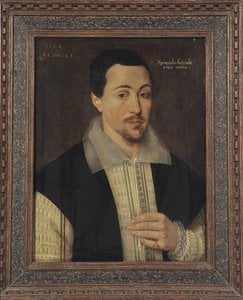
1528 - 1573 , Belgium

Explore the intricate beauty of Northern Renaissance art. Discover the revolutionary oil techniques, profound symbolism, and microscopic realism of the Franco-Flemish masters in this expert guide for classical art enthusiasts.

Explore the exquisite precision of Flemish painting. From Jan van Eyck to Robert Campin, discover the revolutionary oil techniques and rich symbolism that defined the Northern Renaissance and continue to inspire fine art collectors today.

Embark on a journey through the exquisite precision of Flemish Art. Discover the pioneering oil techniques, profound symbolism, and luminous realism that define the Northern Renaissance masters in this expert guide for art enthusiasts.

 Preview
 Send
Send Share
Share
 Details

 Download
 Similars
 X-Ray
X-Ray Diaporama
 Stats
Stats Read More







 Glass option is only available in size under 110 CM


