x


 GraphiteWallArtBaroque
 1684Renaissance
 37.0 x 27.0 cm
 British Museum
Purchase a high-resolution, enhanced digital image, far superior to the online preview.
Each file is meticulously prepared by our in-house specialists using advanced tools and expert manual retouching. We ensure every image has exceptional clarity, precise color accuracy, and fine detail.
The final file is delivered via email within 72 hours, optimized for immediate use in professional, editorial, and print environments. This is the same quality trusted by top-tier design studios, publishers, and galleries.
Download a high-resolution file for personal display, printing, and creative projects. ( Buy Print Buy Hand Made Painting)
When you choose WahooArt.com, you're not just getting an image - you're receiving a professionally enhanced digital artwork, crafted with precision and backed by a satisfaction guarantee. Here's everything that comes with your order, automatically:

Your high-resolution digital image file will be emailed to you within 72 hours of ordering - ready for immediate use.

Your artwork is professionally optimized using advanced AI tools and manual editing, ensuring maximum detail, clarity, and color accuracy.

Accidentally deleted or lost your file? No worries - we'll resend it to you anytime, free of charge.

Enjoy your artwork instantly with zero customs, duties, or delivery fees - digital downloads are always tax-free.

We ensure your digital image reflects the original colors as closely as possible using professional tools and color management.

If you're not satisfied with your digital image, we'll revise it or refund 100% within 60 days - no questions asked.

Not satisfied? Get a full refund within 60 days of receiving your digital file - no questions asked.

Buy 3 images, save 10% - Buy 5, save 15% - Buy 10+, save 20%. Great for creative projects, galleries, and agencies.
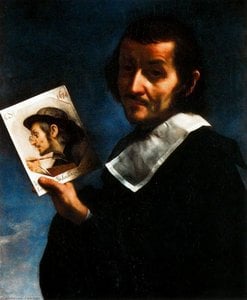
This meticulously rendered graphite drawing, created in 1684 by the Roman master Carlo Maratta, offers a remarkably intimate glimpse into the mind and artistry of one of the Baroque period’s most influential figures. Measuring just 37 x 27 cm, this seemingly modest work belies the profound depth of observation and technical skill it embodies. It's not merely a likeness; it’s a carefully constructed statement about self-awareness, artistic discipline, and the enduring legacy of classical ideals within a distinctly Baroque framework.
The image presents a frontal view of Maratta himself, captured with an almost unnerving directness. The composition is strikingly focused – the entire canvas devoted to his face and upper torso, devoid of any distracting background elements. This deliberate framing intensifies the viewer’s attention, forcing a contemplative engagement with the subject's gaze. The style leans heavily towards realism, yet it’s tempered by Maratta’s commitment to classical principles, evident in the balanced proportions and restrained emotionality. Notice how geometric shapes – circles for the eyes, ovals defining the head and torso, and rectangles outlining the collar – are used to create a structured, almost architectural representation of the figure.
Maratta’s mastery lies in his command of line. Predominantly linear, these lines aren't simply outlines; they’re carefully calibrated to define every contour with precision. Varying line weights – from delicate hairlines to bolder strokes delineating the clothing – create a dynamic sense of texture and volume. Hatching techniques are employed subtly yet effectively, simulating the appearance of fabric folds and the intricate strands of hair, adding a tactile quality to the image. The slight blurring effect inherent in graphite lends a softness to the overall rendering, suggesting both age and the artist’s deliberate control over the medium.
The monochromatic palette – solely shades of grey – further emphasizes the drawing's formal qualities. It’s a testament to Maratta’s ability to convey form, light, and shadow entirely through line and tone. The single, implied light source, positioned above and slightly in front of the subject, casts carefully rendered shadows that sculpt the figure’s three-dimensional form with remarkable accuracy. This attention to detail speaks volumes about Maratta's dedication to anatomical study and his understanding of how light interacts with surfaces.
Created in 1684, this self-portrait places Maratta firmly within the context of late Baroque Rome. He was a pivotal figure in transitioning from the more dramatic excesses of the High Baroque to a style characterized by greater clarity, balance, and a renewed interest in classical forms – a movement he largely spearheaded. As documented in his biography by Bellori, Maratta’s early training under Andrea Sacchi instilled within him a deep respect for intellectual rigor and harmonious design. This influence is clearly evident here; the composition feels deliberately controlled, reflecting a philosophical approach to art that prioritized reason and order over flamboyant spectacle.
Maratta's work was commissioned by prominent figures in Rome, including Popes, demonstrating his status as one of the leading artists of his time. His dedication to meticulous draftsmanship and classical principles made him highly sought after for portraits and frescoes alike. This self-portrait serves not only as a visual record of Maratta’s appearance but also as a window into his artistic philosophy – a quiet testament to the enduring power of observation, discipline, and the pursuit of beauty.


1625 - 1713 , Italy


Stay updated with the latest art news, exclusive offers, and decoration ideas.
Tell us about your project and our art experts will provide you with 3 personalized art suggestions.
Let Us Curate 3 Options Just for You - Free!

 Preview
 Send
Send Share
Share
 Details

 Download
 Similars
 X-Ray
X-Ray Diaporama
 Read More