
x


 Acrylic On CanvasWallArtGeorgian Portraiture
 1749
1749 74.0 x 53.0 cm
 Harris Museum - Art Gallery
Hand-painted oil on canvas in your size and frame, made to order by our artists. ( Buy Print Buy Image)





























Pick from our preset sizes that match the artwork's original proportions.

You may enter your own dimensions to fit a specific frame or space. If your selected size does not match the original image's proportions, we will either crop the artwork or extend the painting with additional hand-painted elements. A digital mockup will be sent for your approval before production begins.
Please note that the on-screen preview does not reflect the actual cropping or extension. Only the mockup will accurately show the final composition.
While custom sizes are available, we recommend selecting a dimension from the predefined list to preserve the original proportions.
Worldwide Delivery () in 3/4 weeks instead of standard 5 weeks. (29 August). No compromise on quality.


Mary du Cane, née Norris
Reproduction Size
Arthur William Devis’s “Mary du Cane, née Norris” stands as a testament to the understated elegance characteristic of Georgian portraiture and, crucially, embodies the burgeoning fascination with capturing psychological depth within formal depictions. Painted in 1749, this canvas offers more than just a likeness; it presents an intimate glimpse into the life and character of Mary Du Cane herself – a woman whose quiet dignity radiates from the canvas.
Devis’s stylistic approach aligns perfectly with the prevailing trend of “conversation pieces,” which sought to portray subjects engaged in domestic activities or contemplating philosophical ideas. Unlike grand historical narratives, these portraits prioritized conveying emotion and capturing the subtleties of human experience. Here, Mary Du Cane is seated gracefully on a chair draped in rich fabrics—a deliberate choice reflecting the social status of her family.
The composition itself is carefully considered—Mary’s gaze directs towards the viewer, establishing a connection that transcends mere visual observation. This directness speaks volumes about Du Cane's composure and confidence – qualities valued within Georgian society. The subtle inclusion of decorative elements—such as the embroidered shawl draped over Mary’s shoulders—further underscores her familial heritage and reinforces the painting’s overarching theme of refined taste.
Beyond its aesthetic merits, “Mary du Cane, née Norris” resonates with a profound emotional impact. It invites contemplation on themes of femininity, grace, and inner resilience – qualities that continue to inspire admiration centuries later. The painting's enduring appeal lies in its ability to capture not just a woman’s appearance but also her spirit—a remarkable achievement for Devis and a cornerstone of Georgian portraiture’s legacy.
Born in London in 1762, Arthur William Devis descended from a family distinguished by artistic talent. Following in the footsteps of his elder brother Thomas Anthony Devis—also a painter—he pursued formal training at Westminster School and later apprenticed under John Raphael Smith, a prominent Flemish topographical artist.
Smith’s influence undoubtedly shaped Devis's technique, fostering an appreciation for meticulous observation and skillful rendering. However, Devis swiftly transitioned to portraiture, establishing himself as a respected artist within the provincial circles of England. His success wasn’t meteoric; rather, it was built upon consistent dedication and a keen understanding of his patrons’ desires.
Devis's oeuvre encompasses both historical subjects and intimate portraits—a duality that reflects the broader artistic currents of his time. He gained particular renown for his depictions of naval life, notably “The Death of Nelson,” which powerfully conveyed emotion and commemorated a pivotal moment in British history. This monumental canvas exemplifies Devis’s ability to transform visual representation into an instrument of commemoration.
Devis's work aligns seamlessly with the broader trend of “conversation piece” portraiture—a genre that flourished during the Georgian era. Unlike earlier portraits focused solely on conveying status, conversation pieces aimed to portray subjects engaged in domestic activities or contemplating philosophical ideas.
Artists like Devis recognized that true artistry lay not merely in replicating appearances but in capturing psychological depth and conveying emotion. This approach demanded a nuanced understanding of human behavior and an ability to translate inner states into visual form—a challenge that Devis embraced wholeheartedly.
Despite his considerable reputation during his lifetime, Devis's paintings largely faded from public consciousness after his death in 1822. However, a resurgence of interest in Georgian art and the conversation piece genre has brought Devis’s work back into focus—demonstrating its enduring artistic merit and prompting renewed appreciation for his contribution to British painting history.


1712 - 1787 , United Kingdom

Explore the life & work of Arthur William Devis (1762-1822), a key figure in Georgian portraiture and naval history painting. Discover his intimate 'conversation pieces' and captivating depictions of colonial India. Learn more at WahooArt.

Journey through 25 iconic artworks at the British Museum, London! Explore masterpieces from Egyptian sculptures to Renaissance paintings & uncover their stories. Find museum-quality art reproductions and curated decor ideas on WahooArt.com.
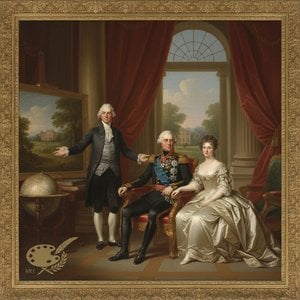
Explore the life & work of John Hoppner, a leading Georgian portraitist. Discover his vibrant style, influential patrons, and lasting impact on British art history. Expert insights for collectors.

Explore the life & art of James Sant (1820-1916), renowned Victorian portraitist to Queen Victoria. Discover his captivating depictions of childhood, landscapes, and aristocratic society. Learn about his legacy & find fine art reproductions.
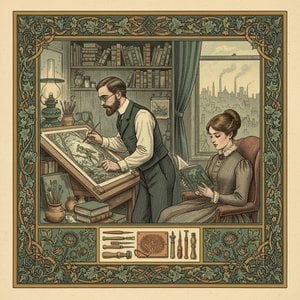
Explore the captivating world of Victorian illustration! Discover Pre-Raphaelite influences, key artists like Rossetti & Stephens, and the era's rich narrative detail. A deep dive for art enthusiasts.


Stay updated with the latest art news, exclusive offers, and decoration ideas.
Tell us about your project and our art experts will provide you with 3 personalized art suggestions.
Let Us Curate 3 Options Just for You - Free!

 Preview
 Send
Send Share
Share
 Details

 Download
 Similars
 X-Ray
X-Ray Diaporama
 Read More







 Glass option is only available in size under 110 CM


