x


 Oil On CanvasWallArtBaroque
 11.0 x 15.0 cm
 The Kremer Collection
Hand-painted oil on canvas in your size and frame, made to order by our artists. ( Buy Print Buy Image)





























Pick from our preset sizes that match the artwork's original proportions.

You may enter your own dimensions to fit a specific frame or space. If your selected size does not match the original image's proportions, we will either crop the artwork or extend the painting with additional hand-painted elements. A digital mockup will be sent for your approval before production begins.
Please note that the on-screen preview does not reflect the actual cropping or extension. Only the mockup will accurately show the final composition.
While custom sizes are available, we recommend selecting a dimension from the predefined list to preserve the original proportions.
Worldwide Delivery () in 3/4 weeks instead of standard 5 weeks. (28 August). No compromise on quality.


A laughing peasant
Reproduction Size
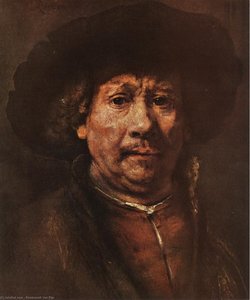
To encounter this portrait, "A laughing peasant," is to be instantly drawn into a moment suspended in time—a burst of uninhibited human delight captured on canvas. The central figure commands attention with his radiant expression; the laugh seems not merely painted, but breathed onto the surface, inviting the viewer into the warmth of his merriment. His beard and mustache frame a face alight with genuine amusement, suggesting a shared secret or a joke just whispered out of earshot. Flanking him, the other figures participate in this tableau of everyday life, their presence grounding the central joy while hinting at the rich tapestry of community interaction that defined Dutch genre painting.
The hand that rendered this piece belongs to Adriaen van Ostade, an artist whose genius lay in elevating the mundane into the magnificent. Van Ostade possessed an almost obsessive attention to detail, a hallmark of the Dutch Golden Age masters. While the subject matter—a gathering of common folk—might seem simple, the execution is anything but. Observe the texture suggested in the clothing, the subtle play of light across the skin, and the careful placement of every object, such as the chair anchoring the scene. His technique allows us to feel the weight of the hat on his head and the slight crinkle around his laughing eyes. It is a testament to his ability to imbue humble subjects with profound dignity.
Historically, this work situates itself within the vibrant tradition of genre painting. In Dutch Golden Age art, the everyday life of the merchant class and peasantry was not merely documented; it was celebrated. These scenes served as mirrors reflecting the burgeoning middle-class identity, where domesticity, leisure, and community were paramount themes. Van Ostade specialized in capturing these intimate moments, allowing us a privileged glimpse into the social fabric of Haarlem life centuries ago. The painting whispers tales of simple pleasures—a shared jest, a moment of respite from labor.
For the contemporary collector or designer, this reproduction offers more than just decoration; it offers an emotional anchor. The sheer vitality radiating from the laughing peasant is infectious. It speaks to the enduring human need for connection and joy. When considering this piece for a gallery wall or a richly decorated interior, one is not simply acquiring art, but rather curating an atmosphere of warmth and conviviality. It serves as a perpetual reminder to pause, smile, and appreciate the simple, beautiful moments that make up a life well-lived.


1610 - 1685 , Netherlands

Explore the life & work of Adriaen van Ostade, a leading Dutch Golden Age painter. Discover his realistic genre scenes, social commentary, and lasting influence on art history. Learn more at WahooArt.

Journey through the Golden Age with our guide to the Top 10 Dutch Baroque masterpieces! Explore iconic paintings by Rembrandt, Vermeer & Frans Hals. Find museum-quality art reproductions and elevate your home decor at WahooArt.com.

Journey through Rembrandt van Rijn's 25 most iconic paintings & etchings. Explore Dutch Golden Age masterpieces, dramatic chiaroscuro, and timeless portraits. Find museum-quality art reproductions to elevate your home decor on WahooArt.com.
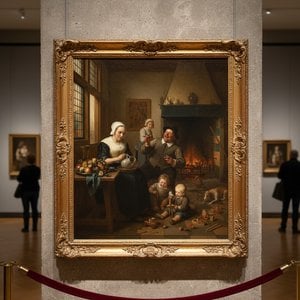
Explore the captivating world of Dutch Golden Age genre painting! Discover realistic depictions of daily life, masterful artists like Ostade & Metsu, and hidden symbolism. Learn about this influential art movement with WahooArt.

Explore the Dutch Golden Age of painting! Discover key artists like Vermeer & ter Borch, their innovative techniques, and the rich cultural context behind these Baroque masterpieces. Learn about collecting & appreciating this iconic art period.


Stay updated with the latest art news, exclusive offers, and decoration ideas.
Tell us about your project and our art experts will provide you with 3 personalized art suggestions.
Let Us Curate 3 Options Just for You - Free!

 Preview
 Send
Send Share
Share
 Details

 Download
 Similars
 X-Ray
X-Ray Diaporama
 Read More







 Glass option is only available in size under 110 CM