博物馆级艺术微喷或帆布版画,制作高效,并提供多种饰面选择。 ( 订购此收藏品的纯手工复刻画作 切换至数字图像销售渠道)





























您可以从与原作比例一致的预设尺寸中进行选择。

请输入您所需的宽度和高度,以适配您的画框或墙面。由于印刷品只能进行裁剪,无法超出原图尺寸,因此若比例不一致,画面的一部分将会被裁切。在正式印刷之前,我们会为您发送一份数字效果图供您确认。本页面显示的图片并非最终裁剪后的效果——只有效果图才能展示真实的裁剪情况。
Lucretia
复刻品尺寸说明
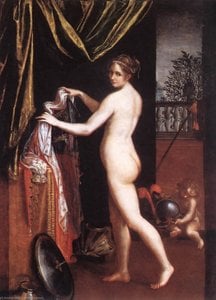
Lucas Cranach the Elder’s “Lucretia” stands as a cornerstone of German Renaissance art, embodying both exquisite craftsmanship and profound psychological insight. Painted around 1504 for Frederick III, Elector of Saxony—a patron deeply invested in humanist ideals—the artwork transcends mere visual representation to delve into themes of virtue, honor, and the devastating consequences of betrayal. The painting depicts Lucretia, wife of Sextus Tarquinius Superbus, Rome’s tyrannical king. Following a scandalous affair between Sextus and Lucretia's younger sister, Julia, Lucretia bravely took her own life to protect her honor after Sextus attempted to rape Julia.
Cranach meticulously captures the moment of Lucretia’s suicide—a woman draped in white linen, clutching a dagger—creating an image that is simultaneously serene and fraught with sorrow. The artist's masterful technique exemplifies the prevailing artistic sensibilities of his time. Executed on oak panel using oil paint, he employs chiaroscuro – dramatic contrasts between light and dark – to sculpt Lucretia’s form and imbue the scene with palpable emotion. The subtle shading highlights the delicate musculature of her torso and emphasizes the vulnerability conveyed by her gaze. Cranach's meticulous attention to detail extends beyond anatomy; he renders the drapery with remarkable realism, capturing folds and textures that contribute significantly to the painting’s overall atmosphere.
Beyond its technical brilliance, “Lucretia” resonates deeply with mythological symbolism rooted in Roman legend. Lucretia herself is a figure from Virgil's Aeneid, representing chastity and virtue—qualities deemed paramount by Renaissance humanists. The dagger symbolizes sacrifice and defiance against oppression, reflecting the moral dilemma faced by Lucretia as she chose honor over survival. The painting’s emotional impact remains powerfully felt centuries later. Cranach's portrayal of grief is understated yet profound, conveying a sense of tragic beauty that speaks to universal human experiences. “Lucretia” serves not merely as a depiction of an historical event but as a meditation on the enduring importance of moral integrity and the devastating repercussions of injustice.
The painting depicts a woman holding a sword in her hand. She appears to be wearing a necklace around her neck and is draped in white linen. The artwork is an oil on panel painting.
卢卡斯·克兰纳赫画师 的《Lucretia》 已进入 属于公有领域 —— 其版权已过期。版权保护期自艺术家逝世之日起计算,该艺术家于 1553 年逝世。
卢卡斯·克兰纳赫画师 的《Lucretia》 在整体 Elegant 的氛围中,传达出一种 Calm 的情感。
卢卡斯·克兰纳赫画师 的《Lucretia》 所记录的情感基调为 Calm。它概括了作品所传达的情绪。


1472 - 1553 , 德國

Explore the profound precision of German Renaissance art. From Albrecht Dürer’s intricate engravings to the soulful depth of Northern Renaissance portraiture, discover a masterclass in detail, humanism, and technical mastery for the true art enthusiast.

Explore the profound beauty of mythological figures through the lens of art history. From Renaissance masterpieces to custom oil reproductions, discover how legendary tales of heroism and divinity are immortalized in fine art for discerning collectors.

Embark on a sophisticated journey through the eternal allure of mythological art. Discover how master painters breathe life into ancient legends, from Greek deities to Baroque masterpieces, and learn to curate these timeless narratives within your own exquisite art collection.


 实景预览
实景预览
 发送
发送 分享
分享
 详情
详情 指南
指南

 下载图片
下载图片
 相似作品
相似作品 X射线
X射线 幻灯片播放
幻灯片播放 统计数据
统计数据


 阅读全文
阅读全文









 玻璃选项仅适用于110厘米以下的尺寸。