获取远超网页预览效果的印刷级文件。我们销售的每一张数字图像均源自库存数据库中的高分辨率母版——宽度通常在 5,000 至 15,000 像素之间——因此您可以放心地进行大幅打印、局部裁剪或还原细腻的细节。
每一件作品在离开我们的工作室前都经过了精心的处理。数字影像专家会对照原作核对色彩,并在必要时进行校正,随后利用专业修图工具提升清晰度与细节表现——且始终忠实于艺术家的笔触与风格。最终呈现的图像宛如原作本身,而非仅仅是一张加了滤镜的扫描件。
您可以在最终定稿前进行审核:我们的专家将在 72 小时内通过电子邮件向您发送图像以供审阅。如果不满意?您可以要求改进或修正;若质量未达预期,亦可申请退款。
这也是出版商、设计工作室、画廊及印刷厂所信赖的品质。
选择 WahooArt.com,您获得的不仅仅是一张图像——您收到的是经过专业级增强、精雕细琢的数字艺术作品,并享有满意保证。以下是您的订单中自动包含的所有内容:
您的高分辨率数字图像文件将在下单后 72 小时内通过电子邮件发送给您 —— 即可立即使用。
您的艺术品经过专业优化,结合先进的 AI 技术与人工修饰,确保呈现极致的细节、清晰度与色彩准确度。
不小心删除了文件或找不到了?没关系——我们将随时为您免费重发。
即刻拥有您的艺术作品,无需支付任何关税、税费或运费——数字下载始终免税。
我们通过专业工具与色彩管理技术,确保您的数字图像尽可能真实地还原原作色彩。
如果您对所购数字图像不满意,我们将在100天内为您进行修改或提供100%的全额退款——无需任何理由。
不满意?在收到数字文件后的100天内,您可以申请全额退款——无需任何理由。
购买 3 张享 10% 折扣 - 购买 5 张享 15% 折扣 - 购买 10 张以上享 20% 折扣。非常适合创意项目、画廊及机构使用。
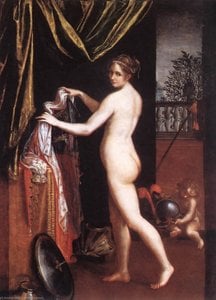
Lucas Cranach the Elder’s “Lucretia” stands as a cornerstone of German Renaissance art, embodying both exquisite craftsmanship and profound psychological insight. Painted around 1504 for Frederick III, Elector of Saxony—a patron deeply invested in humanist ideals—the artwork transcends mere visual representation to delve into themes of virtue, honor, and the devastating consequences of betrayal. The painting depicts Lucretia, wife of Sextus Tarquinius Superbus, Rome’s tyrannical king. Following a scandalous affair between Sextus and Lucretia's younger sister, Julia, Lucretia bravely took her own life to protect her honor after Sextus attempted to rape Julia.
Cranach meticulously captures the moment of Lucretia’s suicide—a woman draped in white linen, clutching a dagger—creating an image that is simultaneously serene and fraught with sorrow. The artist's masterful technique exemplifies the prevailing artistic sensibilities of his time. Executed on oak panel using oil paint, he employs chiaroscuro – dramatic contrasts between light and dark – to sculpt Lucretia’s form and imbue the scene with palpable emotion. The subtle shading highlights the delicate musculature of her torso and emphasizes the vulnerability conveyed by her gaze. Cranach's meticulous attention to detail extends beyond anatomy; he renders the drapery with remarkable realism, capturing folds and textures that contribute significantly to the painting’s overall atmosphere.
Beyond its technical brilliance, “Lucretia” resonates deeply with mythological symbolism rooted in Roman legend. Lucretia herself is a figure from Virgil's Aeneid, representing chastity and virtue—qualities deemed paramount by Renaissance humanists. The dagger symbolizes sacrifice and defiance against oppression, reflecting the moral dilemma faced by Lucretia as she chose honor over survival. The painting’s emotional impact remains powerfully felt centuries later. Cranach's portrayal of grief is understated yet profound, conveying a sense of tragic beauty that speaks to universal human experiences. “Lucretia” serves not merely as a depiction of an historical event but as a meditation on the enduring importance of moral integrity and the devastating repercussions of injustice.
The painting depicts a woman holding a sword in her hand. She appears to be wearing a necklace around her neck and is draped in white linen. The artwork is an oil on panel painting.
卢卡斯·克兰纳赫画师 的《Lucretia》 的亮度记录为 deep_shadow,亮度值为 Soft Shadow。
就视觉亮度而言,卢卡斯·克兰纳赫画师 的《Lucretia》 呈现出 deep_shadow 的效果。
"Lucretia" 由 卢卡斯·克兰纳赫画师 以 Renaissance Masterpiece 流派风格创作而成。艺术家与艺术流派共同定义了作品的传承。


1472 - 1553 , 德國

 实景预览
实景预览
 切换至版画销售渠道
 分享
分享 分享
分享
 详情
详情 指南
指南

 下载作品
下载作品
 相似作品
相似作品 X射线
X射线 幻灯片播放
幻灯片播放 问答
问答
 统计数据
统计数据


 展开全文
展开全文