Sanatçı Biyografisi
Rönesans ve Barok Arasında Bir Köprü: Otto van Veen'in Dünyası
16. yüzyılın sonları ile 17. yüzyılın başlarındaki sanatın yankılarını taşıyan bir isim olan Otto van Veen, sanat tarihinde büyüleyici bir konuma sahiptir. Hollanda'nın Leiden kentinde, babasının belediye başkanı olduğu seçkin bir ailede, yaklaşık 1556 yılında dünyaya gelen Van Veen'in yaşamı, değişen bağlılıklar ve sanatsقsel bir evrimle şekillenmiştir. Gençlik yıllarında Alçak Ülkeler'i etkisi altına alan dini gerilimler, onun kaderini derinden etkilemiştir. Ailesinin, yükselen Protestan dalgası karşısında Katolik inançları nedeniyle 1572 yılında Anvers'e taşınması, sadece coğrafi bir yer değişikliği değil, aynı zamanda entelektüel ve sanatsal oluşumunda bir dönüm noktası olmuştur. Bu göç; onu Dominicus Lampsonius ve Jean Ramée gibi nüfuzlu isimlerle tanıştırarak, hümanist idealler ve klasik öğrenimle harmanlanmış bir kariyerin temellerini atmıştır. 1574 veya 1575 yıllarında gerçekleştirdiği Roma yolculuğu ise hayati bir önem taşımıştır; İtalyan Rönesansı'nın kalbine dalarak, olgunluk dönemindeki eserlerini tanımlayacak olan stilistik nüansları, yani Maniyerizm'in karakteristik özelliği olan zarafeti, rafine kompozisyonları ve idealize edilmiş formlara verilen önemi özümsemiştir. Roma'daki eğitiminin tam kapsamı tartışmalı olsa da, bazı bilim insanlarının Federico Zuccari döneminde geçirdiğini öne sürdüğü bu sürecin etkisi yadsınamaz.
Himaye, Pedagoji ve Bir Üstadın Şekillenmesi
İtalya'dan döndükten sonra Van Veen, kısa sürede aranan bir sanatçı olarak kendini kanıtlamıştır. Yeteneği, ona Brüksel'de Güney Hollanda valisi olan Parma Dükü Alexander Farnese'in saray ressamlığı makamını kazandırmıştır. Bu himaye, sadece finansal istikrar sağlamakla kalmamış, aynı zamanda sofistike bir sanat ortamına erişim ve büyük ölçekli siparişler için fırsatlar sunmuştur. 1593 yılında Anvers'teki Aziz Luka Loncası'nda usta mertebesine erişerek profesyonel konumunu sağlamlaştırmıştır. Ancak Van Veen'in mirası, kendi tablolarının çok ötesine uzanır; bu miras, sanat tarihinin en ünlü ustalarından biri olan Peter Paul Rubens'in kariyeriyle ayrılmaz bir şekilde bağlantılıdır. Yaklaşık 1ış94 veya 1595'ten 1598'e kadar Van Veen, Rubens'in öğretmeni olarak görev yapmış; genç sanatçıya titiz bir klasik eğitim ve hümanist ilkelere yönelik derin bir takdir aşılamıştır. Bu mentorluk, Rubens'in entelektüel çerçevesini ve sanatsal duyarlılıklarını şekillendirmede kritik bir rol oynamış, onun gelecekteki zaferlerinin temelini atmıştır. Van Veen sadece teknik becerileri aktarmakla kalmamış; sanat, edebiyat ve felsefenin bütünleşmesini vurgulayan bir dünya görüşü geliştirmiştir ki bu, Rubens'in üretken eserlerinin de en belirgin özelliğidir. Bu dönemde Van Vleen, kiliseleri sunak resimleri ve şapellerle süsleyerek çok yönlülüğünü ve yetenekli, güvenilir bir sanatçı olarak artan ününü kanıtlamıştır.
Maniyerist Duyarlılık ve Amblem Dili
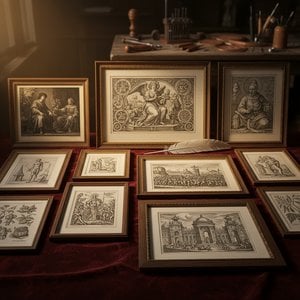
Van Veen'in sanatsطsal üslubu; uzatılmış figürler, zarif pozlar, sofistike kompozisyonlar ve rafine bir palet ile karakterize edilen Maniyerizm akımına sıkıca kök salmıştır. Resimleri genellikle bir zarafet ve entelektüel tefekkür havası yayar. O, pictor doctus –bilge ressam– olarak tanınırdı ve bu sıfat, hümanist temaları eserlerine dahil etme konusundaki kararlılığını yansıtır. Resmin ötesinde Van Veen, görsel ile metni ahlaki ve felsefi mesajlar iletmek için birleştiren popüler bir tür olan amblem kitapları alanına önemli katkılarda bulunmuştur. Quinti Horatii Flacci Emblemata (1607), Amorum Emblemata (1608) ve Amoris Divini Emblemata (1615) adlı çalışmaları, hem bir sanatçı hem de bir bilgin olarak yeteneğini sergileyen bu formun en seçkin örnekleridir. Özellikle Amorum Emblemata, sonraki amblem kitaplarına model teşkil ederek ve çeşitli disiplinlerdeki sanatçılara ilham vererek geniş çaplı bir etki yaratmıştır. Klasik edebiyat ve mitolojiden sahneleri canlandıran puttoların, zekice yazılmış mottolar eşliğinde tasvir edilmesi, Rönesans hümanizminin ruhunu ve hem dünyevi hem de ilahi aşka olan tutkusunu yakalamayı başarmıştır.
Son Yıllar ve Kalıcı Etki
Sanatsal beğeniler Barok'un dinamizmine doğru kaymaya başladığında bile Van Vdeen gelişmeye devam etmiştir. Resmi bir saray görevi olmasa da Arşidük Albert ve Isabella ile olan bağlarını sürdürmüştür. Bu dönemdeki önemli girişimlerinden biri, daha önce hazırladığı gravürlere dayanarak Hollanda Devletler Genel Kurulu tarafından sipariş edilen, Romalılar ile Batavlar arasındaki savaşları betimleyen on iki resimlik bir seridir. Bu proje, değişen siyasi manzaralara uyum sağlama ve çeşitli sanatsal talepleri karşılama yeteneğini göstermektedir. Kariyeri boyunca Van Veen, hem Aziz Luka Loncası (1602) hem de Romalılar Loncası (1606) dekanı olarak Anvers sanat topluluğunun aktif bir üyesi olmuştur. Kendisi, sanatsal yetenekleri yüksek bir aileden geliyordu; kardeşi Gijsbert başarılı bir gravür sanatçısıydı, kızı Gertruid resimle uğraştı ve birkaç yeğeni pastel sanatçısı olarak çalıştı. Otto van Veen, 1629 yılında Brüksel'de hayata gözlerini yumduğunda, geride kendi eserlerinin çok ötesine geçen bir miras bıraktı. Ünlü Hollandalı sanat tarihçisi Arnold Houbraken, onu zamanının en etkileyici sanatçısı ve bilgini olarak tanımış, hatta nüfuzlu eseri De Groote Schouburgh der Nederlantsche Konstschilders en Schildersessen'in başlık sayfasına onun portresini yerleştirmiştir. Onun kalıcı önemi sadece kendi sanatsal başarılarında değil, aynı zamanda bir öğretmen ve mentor olarak —özellikle de Peter Paul Rubens için— üstlendiği kilit rolde ve döneminin entelektüel ve sanatsal akımlarına yaptığı katkıda yatmaktadır. Rönesans ile Barok dönemleri arasında bir köprü kuran, hümanist sanatçı ideallerini somutlaştıran ve Flaman resim tarihine silinmez bir iz bırakan etkileyici bir figür olarak tarihteki yerini korumaktadır.



 Önizle
 El Yapımı Tablo Satın Al
 Gönder
 Paylaş
 Detaylar
 Rehber

 Dosyayı İndir
 Benzerleri
 X-Işını
 Slayt Gösterisi
 İstatistikler


 Devamını Oku






































 Cam seçeneği yalnızca 110 cm altındaki boyutlar için mevcuttur.