Introduction
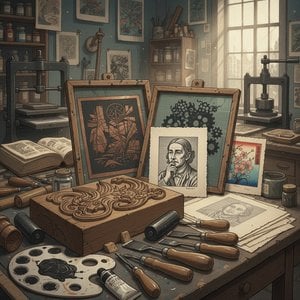
Imagine holding a world within your hands—a universe etched onto a copper plate, then pressed into paper with meticulous care. This is the essence of engraving, an art form that for centuries has captivated viewers with its delicate precision and profound emotional depth. The ten masterpieces we present here aren’t merely images; they are echoes of history, testaments to human ingenuity, and windows into the souls of artists who dared to capture fleeting moments in enduring lines.
Engraving flourished during periods of immense cultural change—the Renaissance, with its rediscovery of classical ideals; the Reformation, fueled by the power of printed imagery; and the Enlightenment, driven by scientific observation. Initially a technique favored for replicating existing works, engraving quickly evolved into an independent art form, allowing artists to create original compositions that rivaled painting in complexity and impact. The ability to produce multiple copies democratized access to art, spreading ideas and challenging established norms.
These artworks weren’t created in isolation. They were born from a confluence of factors: the patronage of kings and collectors, the innovations of printmakers like Albrecht Dürer who elevated the medium, and the burgeoning intellectual curiosity of their time. They reflect not only artistic skill but also the social, political, and religious currents that shaped Europe—and ultimately, the world.
Why do these engravings still resonate today? Because they speak to universal human experiences: love, loss, faith, doubt, mortality. They remind us of our shared history, the power of storytelling, and the enduring beauty of craftsmanship. The lines may be small, but their impact is immeasurable.
Prepare to embark on a journey through time as we unveil ten legendary engravings that irrevocably changed the course of art forever—each one a story waiting to be rediscovered.
Death and the Miser, from The Dance of Death - Hans Holbein the Younger
 Death and the Miser, from The Dance of Death - Hans Holbein the Younger
A chilling reminder that even gold cannot buy respite—Hans Holbein the Younger’s “Death and the Miser, from The Dance of Death” is a haunting meditation on mortality and the futility of earthly possessions. Created in 1523, this engraving isn't simply an image; it’s a visceral encounter with our own impermanence.
Holbein masterfully employs intricate lines and stark contrasts to depict a skeletal figure reaching for the gold hoarded by a wealthy alchemist. The scene is claustrophobic, filled with the tools of esoteric pursuit—a potent symbol of humanity’s desperate attempts to transcend death through knowledge and wealth. What sets this work apart is its unflinching realism; it doesn't offer religious solace or romanticized visions of the afterlife, but rather a stark confrontation with the inevitable.
“Death and the Miser” profoundly influenced subsequent generations of artists, solidifying engraving as a powerful medium for social commentary. Its impact extends beyond the art world—the image continues to resonate in contemporary discussions about consumerism, greed, and the search for meaning. Today, we see echoes of its somber palette and dramatic composition in minimalist interiors that embrace a sense of quiet contemplation, or in modern lifestyles focused on experiences over material accumulation.
Owning a reproduction of this legendary engraving is not merely acquiring art; it’s inviting a timeless dialogue about life, death, and the values we choose to prioritize. It's a powerful statement piece for those who appreciate historical engraving masterpieces , Renaissance artistry, and the enduring power of visual storytelling.
Plate six, from A Rake's Progress - William Hogarth
 Plate six, from A Rake's Progress - William Hogarth
A whirlwind of vice and societal critique captured in a single frame—William Hogarth’s “Plate six, from A Rake's Progress” is more than just an engraving; it’s a time capsule of 18th-century London. This bustling tavern scene, teeming with life and moral decay, offers a stark reflection on the consequences of unchecked indulgence.
Hogarth’s genius lies in his ability to weave narrative into every detail. The chaotic composition, rendered with meticulous lines and dramatic chiaroscuro, draws us into the world of Tom Rakewell as he descends further into ruin. This work earned its place among the Top 10 engraving masterpieces not only for its technical brilliance but also for its groundbreaking social commentary—a fearless expose of corruption, gambling, and the fleeting nature of fortune.
“Plate six” isn’t simply a condemnation; it's an invitation to reflect on our own vulnerabilities. The figures, caught in moments of revelry and desperation, mirror universal human flaws. Today, its influence can be seen in contemporary art that challenges societal norms and explores the darker aspects of the human condition.
Imagine incorporating a reproduction into a modern study or gallery wall—a subtle reminder of history’s lessons and the enduring power of satire. It's a conversation starter, a piece that invites contemplation, and a testament to the lasting legacy of engraving as an art form.
Le Christ Entre Deux Larrons, louvre - Rembrandt van Rijn
 Le Christ Entre Deux Larrons, louvre - Rembrandt van Rijn
To encounter Rembrandt van Rijn’s “Le Christ Entre Deux Larrons” is to stand before a masterpiece of human emotion—a work that transcends religious iconography and speaks directly to the soul. This 1653 engraving, housed in the Louvre, isn't simply an image; it’s a profound meditation on suffering, faith, and the complexities of mortality.
What elevates this work to the ranks of the Top 10 engraving masterpieces ? It’s Rembrandt’s revolutionary use of light and shadow— chiaroscuro —to create a scene of unparalleled dramatic intensity. The focused beam illuminating Christ, while plunging the surrounding figures into darkness, directs our gaze and amplifies the emotional weight of the moment. He eschews idealized representations in favor of raw vulnerability, portraying Christ not as a divine figure but as a man enduring unimaginable pain.
This groundbreaking approach resonated deeply with audiences then—and continues to captivate us today. The engraving’s influence can be seen in countless subsequent works that explore the human condition with similar depth and sensitivity. In modern interiors, its somber palette and powerful composition evoke a sense of quiet contemplation, lending an air of sophistication and timeless elegance.
Owning a reproduction is not merely acquiring art; it’s inviting a legacy of artistic brilliance into your space—a testament to the enduring power of engraving and the genius of Rembrandt van Rijn.
The Festival of Fools - Pieter Bruegel the Elder
 The Festival of Fools - Pieter Bruegel the Elder
A moment of boisterous energy frozen in time—Pieter Bruegel the Elder’s “The Festival of Fools” is a captivating window into Renaissance revelry and communal life. This remarkable engraving , teeming with detail, isn't merely a depiction of a game; it’s an exploration of human nature, social dynamics, and the fleeting joy of celebration.
Its inclusion among the Top 10 engraving masterpieces is testament to Bruegel’s unparalleled ability to capture both the chaos and the harmony of everyday life. The intricate linework and dramatic contrasts create a scene that feels simultaneously vibrant and timeless. The monochromatic palette focuses our attention on the expressive gestures and dynamic interplay of figures, inviting us to become part of the spectacle.
Today, “The Festival of Fools” continues to resonate with its raw energy and insightful commentary. Its influence can be seen in contemporary art that explores themes of community, competition, and the human spirit. In modern interiors, a reproduction evokes a sense of playful sophistication—a reminder to embrace life’s moments of joy and connection.
Owning this artwork is not simply acquiring an image; it's inviting a legacy of artistic brilliance into your space—a testament to the enduring power of engraving and the genius of Bruegel van Rijn.
St Eustace - Albrecht Dürer
 St Eustace - Albrecht Dürer
Imagine stepping into a forest steeped in myth—a place where faith and nature converge in a single, breathtaking vision. This is the world of Albrecht Dürer’s “St Eustace,” completed in 1501, an engraving that redefined the possibilities of printmaking.
Dürer’s masterpiece isn't simply a depiction of a biblical conversion; it’s a testament to his unparalleled technical skill and artistic vision. The intricate detail—from the delicate fur of the hounds to the lush foliage of the forest—is astonishing, achieved through meticulous lines and masterful manipulation of light and shadow. This work earned its place among the Top 10 engraving masterpieces for its groundbreaking realism and profound symbolism.
The scene invites contemplation on themes of faith, nobility, and humanity’s relationship with the natural world. Today, “St Eustace” continues to inspire awe with its timeless beauty and enduring power. A reproduction brings a sense of quiet majesty into any space—a reminder that even in the darkest forests, moments of profound transformation can occur.
Owning this artwork is not merely acquiring an image; it’s inviting a legacy of artistic brilliance into your home—a testament to the enduring power of engraving and the genius of Albrecht Dürer.
Illustration to "A Week of Kindness" - Max Ernst
 Illustration to "A Week of Kindness" - Max Ernst
A haunting echo of confinement—Max Ernst’s 1934 engraving, “Illustration to ‘A Week of Kindness,’” is a powerful testament to the artist's exploration of the subconscious and societal pressures. This striking monochrome print embodies the core tenets of Surrealism, offering a glimpse into a world where dreams and anxieties collide.
Its inclusion among the Top 10 engraving masterpieces stems from Ernst’s masterful use of line and shadow to convey a palpable sense of oppression. The solitary woman trapped within the colossal column isn't merely an image; it’s a metaphor for individual struggle against overwhelming forces. The intricate detail, achieved through meticulous burin technique, amplifies the feeling of claustrophobia and vulnerability.
Today, “Illustration to ‘A Week of Kindness’” continues to resonate with its timeless exploration of human emotion. A reproduction brings a sense of quiet contemplation into any space—a reminder of the importance of freedom and self-expression. At WahooArt , we believe in making great art accessible, allowing you to transform your home or office into a sanctuary that reflects your own unique spirit.
Owning this artwork is not merely acquiring an image; it’s inviting a legacy of artistic brilliance and intellectual curiosity into your life—a testament to the enduring power of engraving and the genius of Max Ernst.
Seascape with a View of Antwerp - Pieter Bruegel the Elder
 Seascape with a View of Antwerp - Pieter Bruegel the Elder
A silent harbor teeming with life—Pieter Bruegel the Elder’s “Seascape with a View of Antwerp” is a captivating glimpse into 16th-century prosperity and ambition. This meticulously rendered engraving , more than just a depiction of boats at sea, offers a window into a world where trade and human endeavor converged.
Its inclusion among the Top 10 engraving masterpieces stems from Bruegel’s extraordinary command of line—a testament to his technical skill and artistic vision. The fine hatching and cross-hatching create an astonishingly rich tonal range, suggesting the texture of water and light with remarkable precision. The scene isn't simply observed; it’s constructed, inviting us into a bustling tableau frozen in time.
Today, “Seascape with a View of Antwerp” continues to resonate with its timeless depiction of human activity and connection. A reproduction brings a sense of quiet majesty into any space—a reminder of the enduring power of commerce and the beauty of a world in motion. At WahooArt , we believe in making great art accessible, allowing you to transform your home or office into a sanctuary that reflects your own unique spirit.
Owning this artwork is not merely acquiring an image; it’s inviting a legacy of artistic brilliance and historical insight into your life—a testament to the enduring power of engraving and the genius of Pieter Bruegel the Elder.
The Crucifixion - Lucas Cranach the Elder
 The Crucifixion - Lucas Cranach the Elder
A scene of profound sorrow rendered with meticulous detail—Lucas Cranach the Elder’s “The Crucifixion” is a testament to the artist's mastery and a reflection of a changing world. This engraving , created during a period of religious upheaval, embodies the dramatic intensity of the Mannerist style.
Its inclusion among the Top 10 engraving masterpieces stems from Cranach’s extraordinary skill in using line to convey emotion and spiritual depth. The densely packed composition, with its elongated forms and exaggerated gestures, creates a feeling of chaos and turmoil. The meticulous hatching and cross-hatching technique transforms a two-dimensional surface into a dynamic and emotionally charged scene.
Today, “The Crucifixion” continues to resonate with its timeless depiction of human suffering and religious devotion. A reproduction brings a sense of quiet contemplation into any space—a reminder of the enduring power of faith and art. At WahooArt , we believe in making great art accessible, allowing you to transform your home or office into a sanctuary that reflects your own unique spirit.
Owning this artwork is not merely acquiring an image; it’s inviting a legacy of artistic brilliance and historical insight into your life—a testament to the enduring power of engraving and the genius of Lucas Cranach the Elder.
Melencolia I (copy in reverse) - Albrecht Dürer
 Melencolia I (copy in reverse) - Albrecht Dürer
A quiet moment of contemplation—Albrecht Dürer’s “Melencolia I” is not merely an image, but a profound exploration of the human condition. This iconic engraving , created in 1514, embodies the artist's intellectual struggle and the complexities of knowledge.
Its inclusion among the Top 10 engraving masterpieces stems from Dürer’s exceptional skill and symbolic depth. The meticulously rendered scene—filled with tools, instruments, and a brooding central figure—invites us to contemplate the nature of creativity, frustration, and the limits of human understanding. The fine lines and intricate details create a rich tonal range, drawing the viewer into a world of quiet despair.
Today, “Melencolia I” continues to resonate with its timeless depiction of inner turmoil. A reproduction brings a sense of quiet majesty into any space—a reminder of the enduring power of art and the beauty of intellectual exploration. At WahooArt , we believe in making great art accessible, allowing you to transform your home or office into a sanctuary that reflects your own unique spirit.
Owning this artwork is not merely acquiring an image; it’s inviting a legacy of artistic brilliance and historical insight into your life—a testament to the enduring power of engraving and the genius of Albrecht Dürer.
Agony in the Garden (No. 2) - Albrecht Dürer
 Agony in the Garden (No. 2) - Albrecht Dürer
A descent into sorrow—Albrecht Dürer’s “Agony in the Garden (No. 2)” is a masterpiece of emotional intensity, rendered with an almost unbearable beauty. This engraving , created in 1508, transcends its biblical subject matter to become a timeless meditation on faith and human suffering.
Its inclusion among the Top 10 engraving masterpieces stems from Dürer’s unparalleled skill and symbolic depth. The meticulously rendered scene—filled with dramatic contrasts of light and shadow—invites us to contemplate the weight of sacrifice. The fine lines and intricate details create a rich tonal range, drawing the viewer into a world of quiet despair.
Today, “Agony in the Garden” continues to resonate with its timeless depiction of inner turmoil. A reproduction brings a sense of quiet majesty into any space—a reminder of the enduring power of art and the beauty of contemplation. At WahooArt , we believe in making great art accessible, allowing you to transform your home or office into a sanctuary that reflects your own unique spirit.
Owning this artwork is not merely acquiring an image; it’s inviting a legacy of artistic brilliance and historical insight into your life—a testament to the enduring power of engraving and the genius of Albrecht Dürer.
Conclusion
As the light fades on these ten extraordinary engravings, we are left not with relics of the past, but with living presences—each line a testament to human ingenuity and emotion. These works, born from copper plates and skilled hands, continue to resonate across centuries, reminding us of our shared capacity for both profound sorrow and breathtaking beauty.
To truly appreciate these masterpieces is not merely to study their technique or decode their symbolism, but to allow them to speak—to invite their quiet majesty into the spaces where we live. Imagine the contemplative stillness of Dürer’s “Melencolia I” gracing a study, or the dramatic intensity of Cranach’s “The Crucifixion” adding depth to a living room.
At WahooArt , we believe that art is not meant to be confined within museum walls. It is meant to be lived with—to inspire, comfort, and challenge us each day. We are honored to offer hand-painted reproductions of these iconic engravings, allowing you to bring a piece of history and human creativity into your own home.
Explore our full collection and discover the engraving that speaks to your soul. Let these timeless works become daily reminders of the enduring power of art—and the boundless beauty within us all.