Çevrimiçi önizlemeden çok daha üstün, yüksek çözünürlüklü ve iyileştirilmiş bir dijital görüntü satın alın.
Her dosya, uzman ekibimiz tarafından gelişmiş araçlar ve titiz manuel rötuş teknikleri kullanılarak özenle hazırlanır. Her görüntünün olağanüstü netliğe, kusursuz renk doğruluğuna ve ince ayrıntılara sahip olduğundan emin oluruz.
Son dosya; profesyonel, editoryal ve baskı süreçlerinde anında kullanıma uygun şekilde optimize edilerek 72 saat içinde e-posta yoluyla teslim edilir. Bu, seçkin tasarım stüdyoları, yayıncılar ve galerilerin güvendiği aynı kalite standartlarındadır.
Kişisel sergileme, baskı ve yaratıcı projeleriniz için yüksek çözünürlüklü bir dosya indirin. ( Baskı satın al El yapımı tablo satın al)
WahooArt.com seçtiğinizde, sadece bir görsel edinmekle kalmaz; titizlikle hazırlanmış, profesyonelce iyileştirilmiş dijital bir sanat eserine sahip olur ve memnuniyet garantisiyle güvence altına alınırsınız. Siparişinizle birlikte otomatik olarak sunulan her şey şunlardır:

Yüksek çözünürlüklü dijital görüntü dosyanız, siparişinizin üzerinden en geç 72 saat geçmeden e-posta ile size gönderilecektir; hemen kullanıma hazırdır.

Sanat eseriniz; maksimum detay, netlik ve renk doğruluğu sağlamak amacıyla gelişmiş yapay zeka araçları ve manuel düzenleme kullanılarak profesyonelce optimize edilmektedir.

Dosyanızı yanlışlıkla mı sildiniz yoksa kayıp mı oldu? Endişelenmeyin; dosyanızı dilediğiniz zaman size ücretsiz olarak tekrar göndereceğiz.

Sanat eserinizin tadını gümrük vergisi, harç veya teslimat ücreti ödemeden anında çıkarın; dijital indirmeler her zaman vergiden muaftır.

Profesyonel araçlar ve renk yönetimi kullanarak dijital görselinizin orijinal renklere mümkün olduğunca yakın yansıtılmasını sağlıyoruz.

If you're not satisfied with your digital image, we'll revise it or refund 100% within 100 days - no questions asked.

Memnun kalmadınız mı? Dijital dosyanızı aldıktan sonraki 100 gün içinde, hiçbir soru sorulmaksızın tam iade alın.

Buy 3 images, save 10% - Buy 5, save 15% - Buy 10+, save 20%. Great for creative projects, galleries, and agencies.

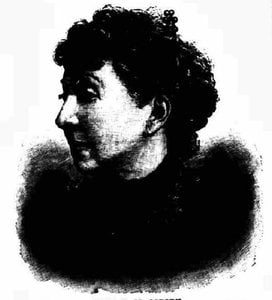
Born on the 11th of February, 1828, in the London district of Kentish Town, Emily Mary Osborn emerged as one of the most compelling and significant female voices of the Victorian era. The eldest of nine children, her early years were shaped by the quiet rhythms of a parsonage life in West Tilbury. It was within these surroundings, under the watchful and encouraging eye of her mother, Mary, that her artistic inclinations first took root. Even as a young girl, she demonstrated a remarkable talent for capturing the likenesses of her siblings, often experimenting with makeshift pigments derived from flower petals and spirits of wine—a testament to the resourceful and passionate spirit that would define her entire career.
The move to London following her father’s death in 1842 marked a pivotal turning point, transforming her childhood curiosity into professional ambition. In the bustling heart of the city, Osborn sought formal training, attending evening classes at the Dickenson Academy and later studying under masters such as J.M. Leigh. This rigorous period of study provided the technical foundation necessary to navigate the competitive London art scene. By 1851, at the tender age of seventeen, she began exhibiting her work at the prestigious Royal Academy, a feat that would continue for over four decades, cementing her place among the era's most respected practitioners.
Osborn’s oeuvre is celebrated for its profound emotional depth and its unflinching gaze upon the social realities of 19th-century Britain. While she possessed a remarkable skill for portraiture, it was her genre paintings that truly captured the public imagination and established her historical significance. She became particularly renowned for her ability to depict themes of vulnerability and social isolation, often focusing on women in distress. Her most iconic work, Nameless and Friendless (1857), serves as a haunting masterpiece of Victorian realism, utilizing light and composition to evoke a sense of profound loneliness and the precariousness of female social standing.
Beyond the poignant narratives of hardship, her artistry evolved through various stages of technical exploration. Her early works often focused on figures of an unpretending character, yet as her career matured, she expanded her repertoire to include:
The significance of Emily Mary Osborn lies not only in her technical mastery but in her role as a pioneer for women in the arts. In an era when female artists often faced systemic barriers, Osborn maintained a prolific and consistent presence at the Royal Academy until 1893. Her work bridged the gap between the sentimental traditions of early Victorian art and the more rigorous, socially conscious realism that would follow. Through her brush, the silent struggles of the marginalized were given a permanent, dignified voice.
As we look back upon her long life—spanning from the height of the Victorian era to the dawn of the modern age, passing in 1925 at the age of 97—we see an artist who refused to be limited by her circumstances. Whether she was painting the quietude of a gothic interior in For the Last Time or the industrious spirit of rural laborers, Osborn’s legacy remains etched in the history of British art as a profound study of empathy, resilience, and the enduring power of the human narrative.

 Önizleme yap
 Paylaş
 Paylaş
 Detayları Gör

 İndir
İndir
 Benzerlerini gör
 X-Işını
 Slayt Gösterisi


 Tümünü Gör