CONSULTAȚIE GRATUITĂ ÎN ARTE VIZUALE

x
Comandă tipăritul Comandă tipăritulCumpără imaginea Cumpără imaginea TrimiteTrimite
DetaliiDetalii Adaugă la favorite Adaugă la favorite DescarcăDescarcă SimilareSimilare Raze XRaze X DiaporamaDiaporama

Untitled 5

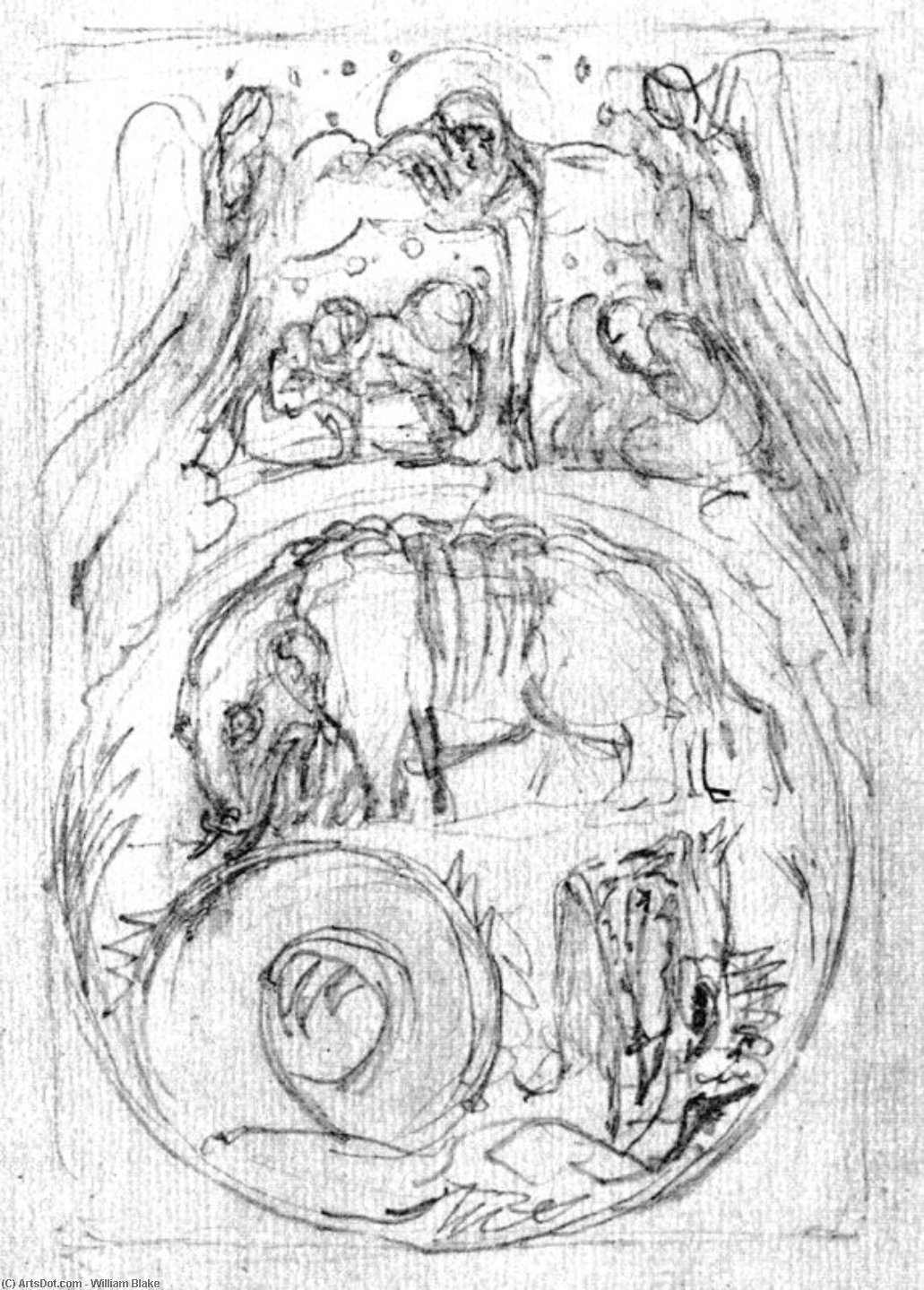
A chaotic, monochrome pencil sketch by William Blake depicting swirling figures and symbolic forms—a visionary study of energy, movement, and spiritual intensity.

Descoperă operele fascinante ale lui William Blake! Poet și pictor romantic inovator, cunoscut pentru simbolism puternic și ilustrații impresionante precum „Job și Familia Sa Restaurată la Prosperitate”. Explorează mitologia britanică!

Reproducere manuală în ulei

Pictură în ulei pe pânză, pictată manual, la dimensiunea și ramele dorite de dumneavoastră, realizată la comandă de artiștii noștri.

Standard
custom
CM
INCH

Alegeți dintre dimensiunile noastre prestabilite, care respectă proporțiile originale ale operei de artă.

lățime
înălțime

Puteți introduce propriile dimensiuni pentru a se potrivi unui anumit cadru sau spațiu. Dacă dimensiunea selectată nu corespunde proporțiilor imaginii originale, vom decupa opera de artă sau vom extinde pictura cu elemente suplimentare pictate manual. O simulare digitală vă va fi trimisă pentru aprobare înainte de începerea producției.
Vă rugăm să rețineți că previzualizarea de pe ecran nu reflectă decuparea sau extinderea reală. Doar macheta va arăta cu exactitate compoziția finală.
Deși sunt disponibile dimensiuni personalizate, vă recomandăm să selectați o dimensiune din lista predefinită pentru a păstra proporțiile originale.

Exemple de elemente ce pot fi modificate: Înlocuiți fața cu fotografia clientului; Adăugați un animal de companie (de exemplu, înlocuiți pisica cu un câine); Includeți un mesaj ascuns în fundal; Schimbați peisajul sau elementele din fundal.
După plasarea comenzii, echipa WahooArt.com va trimite clientului instrucțiuni prin e-mail și îi va furniza o previzualizare a machetei

Livrare în întreaga lume () în 3/4 săptămâni, în loc de cele 5 săptămâni standard. (3 Iulie). Fără compromisuri în ceea ce privește calitatea.

why_choose_icon
Livrare expres gratuită la nivel mondial
why_choose_icon
Pânză de in de înaltă calitate
why_choose_icon
Asigurare completă pentru transport
why_choose_icon
Garanție de rambursare a taxelor vamale
why_choose_icon
Garanția fidelității culorilor
why_choose_icon
Politica de retur de 60 de zile (doar pentru defecte)
why_choose_icon
Garanție 100% de rambursare
why_choose_icon
Reducere la comenzi multiple

Preț total

-

reproduction

Untitled 5

Tehnică de reproducere

Dimensiune reproducere

-

Preț total calculat

-

Informații rapide

  • Movement: Romanticism, Expressionism
  • Medium: Pencil on paper
  • Title: Untitled 5
  • Influences:
    • Blake
    • Romanticism
  • Subject or theme: Abstract figures, chaos
  • Artistic style: Visionary, Symbolic

Test de cunoștințe despre artă

Fiecare întrebare are un singur răspuns corect.

Întrebare 1:
What is the dominant element in William Blake’s ‘Untitled 5’?
Întrebare 2:
The artwork primarily utilizes a what color palette?
Întrebare 3:
Which artistic movement does ‘Untitled 5’ most closely align with?
Întrebare 4:
What is the overall feeling or mood evoked by the swirling composition of ‘Untitled 5’?
Întrebare 5:
The lack of a clear focal point in ‘Untitled 5’ contributes to what effect?

Descriere operă de artă

A Chaotic Vision: Unveiling William Blake's "Untitled 5"

William Blake’s “Untitled 5” isn’t merely a drawing; it’s an invitation to a deeply personal and profoundly unsettling realm. Created around the late 18th century, this monochrome study pulsates with a restless energy—a swirling vortex of figures trapped within a claustrophobic space. The work immediately arrests the eye, not with a clear focal point or narrative, but with its sheer density and the insistent movement conveyed through countless overlapping lines. It’s a sketch, undeniably, yet one brimming with symbolic weight, hinting at a visionary state captured in charcoal on paper.

The piece belongs firmly within Blake's distinctive oeuvre – a world where the rational is perpetually challenged by the mystical and the spiritual. He was a man deeply attuned to the currents of his time, grappling with the burgeoning Industrial Revolution and its impact on both society and the human psyche. This work reflects that tension: a sense of confinement juxtaposed against an overwhelming, almost ecstatic, energy. The lack of color amplifies this feeling, stripping away any distractions and forcing the viewer to confront the raw emotion and underlying chaos directly.

The Language of Line: Technique and Composition

Blake’s mastery lies in his command of line. It's not simply a tool for representation; it *is* the subject matter. Thick, assertive strokes define the contours of the figures, while delicate hatching creates texture and depth. The varying weights of the lines – from bold declarations to whisper-thin suggestions – contribute significantly to the work’s dynamic quality. There’s an undeniable sense of immediacy in these marks, as if Blake were capturing a fleeting vision rather than meticulously rendering it. The composition itself is deliberately unsettling; the figures are arranged within a circular structure that seems to pull the viewer inward, mirroring perhaps the descent into a dreamlike state.

  • Dominant Technique: Hatching and Cross-Hatching – creating texture and tonal variation.
  • Line Weight Variation: From bold outlines to subtle shading, adding depth and dynamism.
  • Gestural Marks: Reflecting spontaneity and a focus on capturing movement.

Symbolism and Emotional Resonance

Interpreting Blake’s work is an inherently subjective process, but certain elements consistently emerge as potent symbols. The enclosed space suggests confinement, perhaps representing the limitations of human perception or the constraints imposed by societal norms. The swirling forms evoke a sense of chaos and transformation – a journey through the subconscious. The figures themselves are often ambiguous, lacking clear identities, which allows them to represent universal archetypes rather than specific individuals. Many scholars believe that Blake was exploring themes of duality—light and darkness, good and evil—within this single image.

There’s a palpable sense of spiritual intensity within “Untitled 5.” It's not a comforting or reassuring scene; it’s unsettling and challenging. The work taps into primal fears and desires, inviting the viewer to confront their own inner turmoil. The overall effect is one of profound emotional resonance – a glimpse into a world where logic yields to intuition, and reason dissolves into imagination.

A Legacy of Vision: Blake's Influence

William Blake’s “Untitled 5” stands as a testament to his unique artistic vision. It exemplifies the Romantic movement’s fascination with the supernatural, the sublime, and the power of the imagination. His work continues to inspire artists and thinkers today, demonstrating the enduring relevance of his exploration of human consciousness and the mysteries of existence. Reproductions of this powerful sketch offer a remarkable opportunity to experience the intensity and complexity of Blake's artistic world – a world that remains as captivating and thought-provoking now as it was two centuries ago.

Opere de artă similare


Biografie artist

A Visionary’s Journey: The Life and Art of William Blake

William Blake, born in London on November 28, 1757, was a figure perpetually out of step with his time, yet destined to become one of the most celebrated artists and poets of the Romantic Age. His life unfolded against the backdrop of a rapidly changing England—a world grappling with industrialization, political upheaval, and shifting spiritual beliefs. From humble beginnings as the son of a hosier, Blake’s early years were marked by an intensely vivid imagination and a propensity for visionary experiences that would profoundly shape his artistic trajectory. Though largely self-taught in formal academics, he received drawing instruction at a young age, quickly revealing a talent that hinted at the extraordinary path ahead. His apprenticeship with engraver James Basire proved pivotal, providing him not only with technical mastery but also an understanding of printmaking techniques he would later revolutionize. These early influences—the Gothic grandeur of Westminster Abbey, the classical forms of Raphael and Michelangelo—served as foundational elements in his developing aesthetic, though Blake was never one to remain bound by convention.

Early Influences and Artistic Training

Blake’s formative years instilled within him a deep appreciation for both beauty and terror – sensations he would translate into his art with unparalleled sensitivity. The architectural majesty of Westminster Abbey captivated his youthful imagination, exposing him to the grandeur of classical sculpture and inspiring a fascination with artistic ideals. Simultaneously, he absorbed the stylistic innovations of Raphael and Michelangelo, recognizing their mastery of form and composition as benchmarks for excellence. Despite lacking formal training in traditional academic disciplines—a rarity for artists of his era—Blake possessed an innate aptitude for drawing that quickly surpassed expectations. Encouraged by Basire’s guidance, he honed his skills in engraving, mastering techniques that would become integral to his groundbreaking artistic process. This apprenticeship wasn't merely about acquiring technical proficiency; it was about immersing himself in the world of printmaking and gaining firsthand experience with the challenges inherent in translating visual ideas into durable images.

The Illuminated World: Technique and Innovation

Blake’s artistic innovation wasn’t merely about subject matter; it resided fundamentally in *how* he created. Dissatisfied with conventional engraving methods, he developed a unique process known as “illuminated printing.” This involved etching both text and illustrations onto copper plates, then hand-coloring the resulting prints—a laborious but deeply personal approach that allowed for complete artistic control. This wasn’t simply illustration accompanying poetry; it was an integrated art form where image and verse were inextricably linked, each enhancing the meaning of the other. His relief etching technique, born from a claimed visionary experience following his brother's death, further distinguished his work, granting it a distinctive textural quality and allowing for greater artistic freedom than traditional methods. Beyond printmaking, Blake also worked with watercolors and tempera paints, often depicting biblical scenes or fantastical subjects imbued with symbolic weight. A key characteristic of his style was a deliberate rejection of linear perspective in favor of a more emotive, symbolic representation—a flattening of space that drew the viewer into the heart of his visionary world. He believed that true artistic expression demanded a departure from accepted conventions and an embrace of subjective experience.

Major Works and Artistic Themes

Blake’s oeuvre encompasses a remarkable range of poetic and visual creations, reflecting his multifaceted intellectual and spiritual concerns. Among his most celebrated works are *Songs of Innocence & of Experience* (1794), a dual collection exploring the contrasting facets of human consciousness—the purity of childhood juxtaposed with the anxieties of adulthood. This seminal poem exemplifies Blake’s preoccupation with moral allegory and psychological insight, presenting characters as embodiments of archetypal virtues and vices. Equally significant is *The Marriage of Heaven & Hell* (1793), a provocative prose poem that challenges conventional morality, celebrating energy, desire, and rebellion against restrictive doctrines. Blake's illustrations for Dante’s *Divine Comedy*, commissioned by John Flaxman, demonstrate his extraordinary ability to translate complex narratives into powerful visual imagery—a testament to his mastery of symbolism and dramatic composition. His magnum opus, *Jerusalem* (1820), is a sprawling epic poem that delves into biblical prophecy and explores themes of redemption and divine justice. Blake’s artistic vision consistently prioritized symbolic representation over realistic depiction, conveying profound spiritual truths through evocative imagery and carefully crafted narratives.

Legacy and Influence

Blake's impact on subsequent generations of artists and writers remains undeniable. His pioneering technique of illuminated printing influenced the Pre-Raphaelites, who adopted his stylistic innovations to create stunningly detailed paintings inspired by medieval literature and mythology. Furthermore, Blake’s emphasis on imagination and subjective experience resonated deeply with Symbolists and Modernist thinkers—artists who sought to express inner realities beyond the confines of observable phenomena. His unwavering commitment to artistic freedom continues to inspire creatives today, reminding us that true beauty lies in challenging conventions and embracing unconventional perspectives. William Blake stands as a beacon of visionary creativity—a testament to the transformative power of imagination and an enduring symbol of Romantic idealism. He remains one of the most influential artists of his time and continues to captivate audiences worldwide with his haunting imagery and profound philosophical ideas.
William Blake

William Blake

1757 - 1827 , Regatul Unit

Detalii rapide

  • Artistic Movement Or Style: Romanticism
  • Artists Who Influenced This Artist:
    • Raphael
    • Michelangelo
  • Date Of Birth: 1757
  • Date Of Death: 1827
  • Full Name: William Blake
  • Nationality: Britanic
  • Notable Artworks:
    • Songs of Innocence & Exp.
    • The Tyger
    • Jerusalem
  • Place Of Birth: Londra, UK
Explorați opere de artă organizate pe teme, stiluri și caracteristici.