PrevizualizarePrevizualizare Previzualizare ARPrevizualizare AR Comută pe Print Comută pe PrintComandă pictură lucrată manual Comandă pictură lucrată manual TrimiteTrimite
Detalii despre lucrareDetalii despre lucrare Adaugă la favorite Adaugă la favorite DescarcăDescarcă Produse similareProduse similare RadiografieRadiografie Diapozitive automateDiapozitive automate StatisticiStatistici

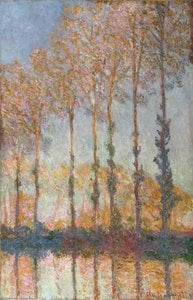
Trees

Discover 'Trees' by Sir William Gillies, a captivating depiction of a Scottish forest landscape. Explore the artist's journey from Cubism to serene landscapes at WahooArt.

W.G. Gillies a fost un pictor scoțian remarcabil, cunoscut pentru peisajele sale lirice și stilul său unic, influențat de cubism și Paul Klee. A fost un educator influent și o figură cheie în scena artistică scoțiană din secolul XX.

Achiziționați o imagine digitală de înaltă rezoluție, îmbunătățită, mult superioară previzualizării online.

Fiecare fișier este pregătit cu meticulozitate de specialiștii noștri interni, utilizând instrumente avansate și retușare manuală expertă. Ne asigurăm că fiecare imagine beneficiază de o claritate excepțională, o acuratețe precisă a culorilor și detalii fine.

Fișierul final este livrat prin e-mail în termen de 72 de ore, optimizat pentru utilizare imediată în medii profesionale, editoriale și de imprimare. Aceasta este aceeași calitate în care au încredere studiouri de design, edituri și galerii de top.

Imagine Digitală

Descărcați un fișier la rezoluție înaltă pentru afișare personală, imprimare și proiecte creative. (Comută pe Print Comută pe PrintComandă pictură lucrată manual Comandă pictură lucrată manual)

Preț total

$ 24,90

Inclus în fiecare comandă de imagini digitale

Livrare digitală de expertiză, garantată

Când alegeți WahooArt.com, nu primiți doar o simplă imagine – primiți o operă de artă digitală îmbunătățită profesional, creată cu precizie și susținută de o garanție de satisfacție. Iată tot ceea ce primești odată cu comanda ta, în mod automat:

shipping_icon
Livrare rapidă prin e-mail

Fișierul imaginii digitale la rezoluție înaltă vă va fi trimis prin e-mail în termen de 72 de ore de la finalizarea comenzii – gata pentru utilizare imediată.

canvas_icon
Fișier digital optimizat prin IA

Opera ta de artă este optimizată profesional prin intermediul unor instrumente AI avansate și al editării manuale, asigurând un nivel maxim de detalii, claritate și acuratețe a culorilor.

insurance_icon
Retransmitere gratuită pe viață

Ai șters sau ai pierdut din greșeală fișierul? Nu îți face griji – ți-l vom retrimite oricând, gratuit.

tax_icon
Fără taxe de import – Întotdeauna

Bucură-te instant de noua ta operă de artă, fără taxe vamale, taxe de import sau costuri de livrare – descărcările digitale sunt întotdeauna fără taxe.

color_icon
Garanția acurateții culorilor

Asigurăm o reflectare cât mai fidelă a culorilor originale în imaginea ta digitală, prin utilizarea unor instrumente profesionale și a proceselor de gestionare a culorii.

return_icon
Garanție de satisfacție de 100 de zile

Dacă nu sunteți mulțumit de imaginea digitală achiziționată, o vom revizui sau vă vom returna 100% în termen de 100 de zile - fără nicio întrebare.

guarantee_icon
Garanție de returnare 100% a banilor

Nu ești mulțumit? Primești rambursarea integrală în termen de 100 de zile de la primirea fișierului digital – fără nicio întrebare.

discount_icon
Reduceri pentru comenzi în volum

Cumpără 3 imagini, economisește 10% - Cumpără 5, economisește 15% - Cumpără 10+, economisește 20%. Ideal pentru proiecte creative, galerii și agenții.

Informații rapide

  • Medium: Oil on canvas (assumed)
  • Dimensions: 37 x 53 cm
  • Notable elements or techniques: Depth and dimension
  • Influences:
    • Cézanne
    • Paul Klee
    • Braque
    • Picasso
  • Title: Trees
  • Subject or theme: Forest landscape

A Glimpse into the Scottish Forest: Sir William Gillies' "Trees"

Sir William George Gillies’ “Trees,” a captivating oil painting measuring 37 x 53 cm, offers a serene and evocative glimpse into the heart of a Scottish forest. While the precise date of its creation remains unknown, the work embodies Gillies’ distinctive style—a synthesis of Cubist influences tempered by a profound appreciation for the natural world and a developing embrace of color inspired by Paul Klee. This piece isn't merely a depiction of trees; it is an exploration of light, form, and the quiet majesty of nature, rendered with a sensitivity that speaks to the soul.

The Artist’s Journey: From Cubism to Colour

To truly appreciate "Trees," one must understand Gillies' artistic evolution. Born in Haddington, East Lothian in 1898, his early training at Edinburgh College of Art was interrupted by service in World War I. Upon returning, he immersed himself in the burgeoning art scene, studying under André Lhote in Paris and traveling through Italy—experiences that introduced him to the principles of Cubism. Early works reflect this influence, characterized by fragmented forms and a restrained palette reminiscent of Braque and Picasso. However, Gillies’ artistic trajectory took a significant turn after encountering the work of Paul Klee. This encounter sparked a shift towards a more imaginative use of color and a willingness to embrace simplified, almost childlike forms—a sensibility beautifully evident in "Trees." His later works, including “Trees and Reflections” (1930) and “Trees in Leaf” (1934), further demonstrate this evolution.

A Composition of Light and Shadow

In "Trees," Gillies masterfully captures the interplay of light and shadow within a dense forest setting. At least twelve trees are visible, each distinct in size and shape, contributing to a sense of depth and dimension. The artist doesn't strive for photographic realism; instead, he uses broad brushstrokes and subtle variations in color to suggest the texture of bark, the rustling of leaves, and the dappled sunlight filtering through the canopy. The backdrop of blue sky provides a striking contrast, emphasizing the verticality of the trees and creating a sense of vastness. The composition isn't rigidly structured; rather, it feels organic and natural, inviting the viewer to wander into the scene and experience the tranquility of the forest firsthand. It’s a testament to Gillies’ skill that he can convey such a profound sense of atmosphere with relatively simple forms.

Symbolism and Emotional Resonance

While seemingly straightforward in its subject matter, "Trees" carries deeper symbolic weight. Trees have long been associated with strength, resilience, and connection to the earth—themes particularly resonant within Scottish culture. Gillies’ depiction evokes a sense of peace and contemplation, inviting viewers to reflect on their own relationship with nature. The painting's quiet beauty is both calming and inspiring, offering a respite from the complexities of modern life. It speaks to a longing for simplicity, authenticity, and a deeper connection to the natural world—emotions that continue to resonate strongly today. The work’s enduring appeal lies in its ability to evoke a sense of nostalgia and wonder, transporting viewers to a place of quiet beauty and timeless serenity.


Biografie artist

Early Life and Artistic Beginnings

Sir William George Gillies, born in Haddington, a charming market town nestled in East Lothian, Scotland, on September 21st, 1898, embarked on an artistic journey that would profoundly shape the landscape of Scottish art. His early years were marked by a deep connection to his native land – a connection that would become inextricably woven into the very fabric of his paintings. Initially enrolled at the Edinburgh College of Art, Gillies’ studies were abruptly interrupted by the exigencies of World War I, where he served with distinction as an engineer in the Royal Engineers. This experience, steeped in the realities of conflict and loss, undoubtedly left an indelible mark on his psyche and would later inform the somber undertones that occasionally permeate his work. Following the war’s conclusion, Gillies returned to complete his education at the Edinburgh College of Art, ultimately graduating and dedicating himself to a career as both a painter and a teacher – a dual role that profoundly shaped his artistic development and legacy.

A Journey Through Modernism: Cubism and Beyond

Gillies' artistic trajectory began with an enthusiastic exploration of Cubism in the early 1920s, spurred by his studies under André Lhote in Paris and a subsequent visit to Italy. This initial foray into the avant-garde movement is vividly reflected in works such as “Two Pots, Saucer and Fruit” (1933), where he skillfully employed Cézanne’s principles of spatial arrangement alongside the understated color palettes characteristic of artists like Braque and Picasso. However, Gillies possessed a deeply rooted sensibility that resisted rigid adherence to any single style. A pivotal moment arrived in 1934 when he encountered the evocative works of Paul Klee – an encounter that ignited within him a desire for greater imaginative freedom and a more childlike approach to composition. This influence is particularly evident in his later paintings, where bold colors and simplified forms create a sense of wonder and delight. Gradually, Gillies moved away from the strict constraints of Cubism, forging a distinctive style firmly rooted in Scottish landscape traditions and still life compositions.

The 1922 Group: A Hub of Innovation

In 1922, Gillies played a crucial role in establishing the “1922 Group,” alongside fellow artists such as William Crozier, William Geissler, and William MacTaggart. This collective served as more than just an exhibition society; it functioned as a vital incubator for emerging Scottish talent, providing a platform for their work to be showcased at the New Gallery in Edinburgh – a space that had previously been dominated by established artists. The “1922 Group” fostered a remarkable sense of community and collaboration within the Scottish art scene, encouraging experimentation and pushing the boundaries of artistic expression. It was a period of intense creativity and shared ambition, laying the groundwork for future generations of Scottish painters.

Themes and Artistic Expressions: Landscape, Still Life, and Loss

Gillies’ artistic output is characterized by two primary thematic concerns: landscapes and still lifes. He possessed an extraordinary ability to capture the essence of the Lothian, Fife, and Border regions of Scotland – translating their rugged beauty, atmospheric subtleties, and intimate details onto canvas with remarkable sensitivity. His landscapes are not merely depictions of scenery; they are imbued with a profound sense of place, reflecting his deep connection to the land and its history. Simultaneously, Gillies devoted considerable attention to still life compositions, often featuring ceramics crafted by his younger sister, Emma Smith Gillies – whose untimely death in 1936 profoundly impacted him. These still lifes, frequently dominated by muted tones and melancholic subjects, serve as poignant reminders of loss and the fragility of life. The influence of Klee is particularly apparent in these works, where a childlike quality and imaginative use of color are employed to evoke emotion and create a sense of intimacy.

Recognition and Legacy: A Lasting Impact

Throughout his distinguished career, Sir William George Gillies received numerous accolades recognizing his artistic merit and contributions to the Scottish art world. He was elected as an Associate of the Royal Scottish Academy in 1940 and subsequently became a full Academician in 1947. In 1957, he was awarded the Commander of the Order of the British Empire (CBE) for his services to art, followed by knighthood in 1970. His legacy extends far beyond his individual paintings; he served as Principal of the Edinburgh College of Art from 1959 until his retirement in 1966, shaping the artistic development of countless students and leaving an enduring mark on the institution. His works are now held in prestigious collections across Scotland and internationally, including the National Galleries of Scotland, Aberdeen Art Gallery, and the Royal Scottish Academy – a testament to the lasting impact of this remarkable artist. Gillies died peacefully at his home in Temple, Midlothian, on April 15th, 1973, leaving behind a body of work that continues to captivate and inspire viewers today.

William George Gillies

William George Gillies

1898 - 1973 , Regatul Unit al Marii Britanii și Irlandei de Nord

Detalii rapide

  • Artistic Movement Or Style:
    • Cubism
    • Landscapes
  • Artists Or Movements Influenced By This Artist: ['Scottish Colourists']
  • Artists Who Influenced This Artist:
    • André Lhote
    • Cézanne
    • Braque
    • Picasso
    • Paul Klee
  • Date Of Birth: 1898
  • Date Of Death: 1973
  • Full Name: Sir William George Gillies
  • Nationality: Scottish
  • Notable Artworks:
    • Two Pots...
    • Mediterranean...
    • Still Life – Yellow Jug...
  • Place Of Birth: Haddington, UK