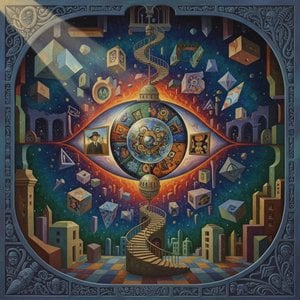
Un Spirit Revoluționar: Viața și Arta lui Marcel Duchamp
Marcel Duchamp, născut Henri-Robert-Marcel Duchamp în 1887 la Blainville-Crevon, Normandia, a fost mai mult decât un artist; a fost un provocator filosofic care a schimbat fundamental cursul artei moderne. Primii săi ani de viață, deși aparent convenționali – crescut într-o familie care aprecia exprisia artistică, cu ambii frați urmărind cariere reușite în artă – au prefigurat iconoclasmul ce urma să vină. Inițial, Duchamp a urmat o pregătire formală, stăpânind tehnici tradiționale și experimentând cu stiluri post-impresioniste. Cu toate acestea, această bază academică nu a servit ca un scop în sine, ci ca o trampolină pentru a pune sub semnul întrebării însăși natura artei, scopul său și definiția sa. Nu era mulțumit să reprezinte pur și simplu lumea; căuta să provoace modul în care o percepem și ceea ce constituie valoarea artistică. Această curiozitate intelectuală nesățioasă avea să devină caracteristica definitorie a carierei sale prolifice.
De la Cubism la Dadaism: O Refuzare a Convențiilor
Călătoria artistică a lui Duchamp a fost marcată de o evoluție constantă, de o lepădare deliberată a normelor stabilite. Implicarea sa inițială în Cubism, evidentă în lucrări precum
Portrait of Chess Players (1911), a demonstrat un interes pentru formele fragmentate și perspectivă multiple – o îndepărtare de reprezentarea tradițională. Totuși, el a depășit rapid preocupările pur estetice, recunoscând că simpla rearanjare a elementelor vizuale nu era suficientă pentru a aborda întrebările profunde care îi revoltau. Horrorul Primului Război Mondial a alimentat acest nemulțumire, conducing-l pe Duchamp să îmbrățișeze Dadaismul, un mișcare născută din deziluzie și din respingerea logicii, a rațiunii și a valorilor artistice tradiționale. Într-un cadru dadaist, Duchamp a început cu adevărat să deconstruiască noțiunile convenționale de artă. Nu era interesat să creeze obiecte frumoase; dorea să provoace gândirea, să sfideze presupunerile și să expună arbitrarul judecății estetice. Această perioadă a văzut nașterea celei mai radicale inovații a sa: „readymade”-ul.
Readymade-urile și Subversiunea Artei
Introducerea readymade-urilor – obiecte fabricate obișnuite, selectate și prezentate ca artă – a fost cea mai semnificativă contribuție a lui Duchamp la secolul XX. Acestea nu erau pur și simplu obiecte găsite; erau acte deliberate de subversiune artistică. Luând un obiect cotidian, precum un urinar (
Fountain, 1917), semnându-l cu „R. Mutt” și prezentându-l la o expoziție de artă, Duchamp a provocat însăși definiția îndemânării artistice și a autoratului. Era mâna artistului cea care crea lucrarea sau era vorba despre
ideea artistului? Această întrebare a devenit centrală în practica sa și a pus bazele Artei Conceptuale. Alte readymade-uri notabile, precum
L.H.O.O.Q. (1919), o reproducere pe o felicitare a Mona Lisa defasată cu o mustață și o barbă mică, au fost critici jucăușe, dar incisive, aduse istoriei artei și iconelor culturale consacrate. Aceste opere nu erau menite să fie admirate pentru calitățile lor estetice; ele aveau scopul de a provoca dezbaterea și de a forța privitorii să își reevalueze noțiunile preconcepute despre ceea ce constituie arta. Duchamp credea că arta trebuie să rezide în minte, nu doar în ochi.
Moștenire și Influență Durabilă
Impactul lui Marcel Duchamp asupra generațiilor ulterioare de artiști este nemăsurabil. El a alterat fundamental înțelegerea noastră asupra artei, deschizând calea pentru mișcări precum Arta Conceptuală, Minimalismul, Pop Art și numeroase altele. Accentul său pus pe ideea artistului – conceptul din spatele lucrării – în detrimentul calităților estetice, continuă să inspire artiștii și astăzi.
- Cubism: Explorarea timpurie a formelor fracturate și a reprezentării spațiale.
- Dadaism: Refuzul logicii, al rațiunii și al valorilor artistice tradiționale ca răspuns la Primul Război Mondial.
- Artă Conceptuală: Accentul pe ideea din spatele operei de artă, mai degrabă decât pe calitățile sale estetice.
Opera sa continuă să provoace dezbateri și să îi provoace pe spectatori să își reexamineze presupunerile despre creativitate și exprimare artistică. Duchamp nu a fost pur și simplu un artist; a fost un filosof, un provocator și un revoluționar care a îndrăznit să pună totul sub semnul întrebării. El rămâne o figură centrală în discuțiile despre natura artei și rolul său în societate, moștenirea sa rezonând puternic în lumea artei contemporane.
The Large Glass (1915-1923), cu simbolismul său complex și imaginile sale enigmatice, stă ca o mărturie a rigoarei sale intelectuale și a influenței sale durabile. Opera lui Duchamp nu este despre oferirea de răspunsuri; este despre punerea de întrebări – întrebări care continuă să ne provoace și să ne inspire și astăzi.



 Previzualizare
 Comandă pictură realizată manual
 Trimite prin felicitare
 Distribuie
 Detalii despre lucrare
 Ghid
Ghid

 Descarcă imaginea
 Produse similare
 Radiografie
 Galerie foto
 Statistici

 Vezi mai mult






































 Opțiunea cu sticlă este disponibilă doar pentru dimensiuni de sub 110 cm