Primii ani de viață, familia și educația
Barbara Hepworth s-a născut pe 10 ianuarie 1903 în Wakefield, West Riding of Yorkshire, în Anglia. Fiind primăria copil, ea a crescut sub tutela lui Gertrude și Herbert Hepworth. Tatăl ei, lucrând ca inginer civil pentru Consiliul Comitatului West Riding, i-a oferit o educație bazată pe o perspectivă practică și structurală, un fundament care i-a modelat profund creșterea. Acest mediu de început din Yorkshire i-a format conștiința spațială, un element care avea să definească, în anii ce au urmat, abordarea sa revoluționară asupra formei tridimensionale.
Parcursul ei educațional a început la Wakefield Girls' High School, un punct de plecare academic ce a îndreptat-o, în anul 1920, către Leeds School of Art. Aici, ea a început să dezvolte disciplina tehnică esențială pentru o cercetare sculpturală profundă. Până în anii '20, Barbara Hepworth s-a mutat la Londra pentru a studia la Royal College of Art. Această perioadă de formare a fost crucială pentru consolidarea rigoarei intelectuale care separă, de la început, opera sa de simpla decorațiune. Nu era vorba doar despre învățarea unui meșteșug, ci despre stăpânirea magistrală a relației complexe dintre materie și vid.
Anii de Formare și Cariera Începută
Traiectoria profesională timpurie a lui Barbara Hepworth a fost definită de o serie de schimbări personale și artistice semnificative, care au reflectat transformările radicale ce aveau loc în modernismul britanic. În mai 1925, ea s-a căsătorit cu sculptorul John Skeaping, la Florența. Această perioadă a fost marcată de o orientare către sculptura prin directă tăiere, o metodă care cerea un angajament fizic, nemediat, față de piatră și lemn. Până în 1931, viața sa personală și creativă a suferit o nouă transformare atunci când s-a îndrăgostit de pictorul Ben Nicholson. Această conexiune făcea parte dintr-un cerc intelectual mai larg și intens de artiști moderni, centrat în Hampstead, Londra. Aceste intersecții sociale și romantice nu au fost simple distrageri; ele au fost crezul în care abordarea sa față de spațiu și formă a fost testată în raport cu tendințele dominante ale epocii.
Dizolvarea primului său căsătorie, în martie 1933, a semnalat o detașare de explorările ei anterioare, mai figurative. În cele din urmă, s-a căsătorit cu Ben Nicholson în 1938, o uniune care i-a consolidat poziția în avangarda abstractismului britanic. În acei ani, opera sa s-a îndepărtat de tradițiile reprezentative, căutând în schimb să destileze esența formei printr-un limbaj mai reductiv și geometric. Această perioadă de tranziție a văzut-o evoluând de la studiul monumentelor antice către o înțelegere sofisticată a modului în care spațiul negativ funcționează ca un element structural. Dezvoltarea sa nu a fost o progresie liniară, ci o serie de rupturi deliberate, adesea dificile, față de trecut.
Mișcarea artistică Unit One
În anul 1933, Barbara Hepworth a contribuit la fondarea mișcării artistice Unit One, un colectiv care a schimbat fundamental traiectoria modernismului britanic. Alături de Ben Nicholson, Paul Nash și alți mulți artiști, ea a lucrat pentru a construi un pod între Surrealism și Abstracție. Aceasta nu a fost o simplă preferință stilistică, ci o încercare deliberată de a unifica aceste două forțe dominante în cadrul scenei artistice britanice. Mișcarea a sfidat granițele tradiționale ale reprezentării, căutând un nou limbaj vizual capabil să surprindă complexitățile erei moderne.
Impactul acestei perioade se resimte în modul în care Barbara Hepworth a făcut tranziția de la primele sale experimente figurative către un vocabular abstract, mult mai riguros. Această schimbare nu a fost un eveniment izolat, ci a făcut parte dintr-un efort coordonat și mai amplu al grupului Unit One de a îndepărta arta britanică de provincialism și de a o conduce spre avangarda internațională. Implicarea sa în acest cerc intelectual i-a consolidat poziția de figură centrală într-o mișcare care prioritiza calitățile esențiale ale formei și ale spațiului în detrimentul unei descrieri literale a realității.
Pe măsură ce al Doilea Război Mondial se apropia, focusul acestei comunități artistice s-a mutat geografic. Barbara Hepworth a devenit o figură de prim-plan în colonia de artiști care rezidau în St Ives, Cornwall. Această relocare a transformat orașul de coastă într-un hub semnificativ pentru gândirea modernistă. Concentrarea de talente în St Ives a permis o explorare continuă a relației dintre forma abstractă și peisajul natural, asigurându-se astfel că ideile radicale susținute de Unit One rămân centrale pentru dezvoltarea sculpturii britanice.
Tehnică și Stil Artistic
Abordarea lui Barbara Hepworth față de sculptura modernă este definită de un angajament riguros față de tehnica sculpturii directe. În loc să modeleze argila pentru a fi turnată ulterior, ea lucra direct în material, permițând substanței să dicteze forma finală. Această metodă cere o interacțiune fizică, imediată, cu esența lucrării. Folosind dălta și ascia pentru a modela marmura și lemnul, ea picta adesea cavitățile formelor sale, manipulând modul în care lumina și umbra interacționează cu suprafețele interioare. În numeroase piese, ea a mers și mai departe, legând laturile sculpturilor sale cu sfoară sau sârmă, creând o tensiune reală între părțile separate ale unui singur obiect.
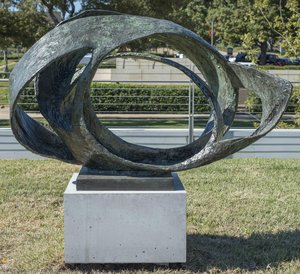
Cea mai semnificativă contribuție a sa la limbajul abstractizării este utilizarea spațiului negativ. Introducând goluri adânci în sculpturile sale, ea a transformat cavitatea dintr-o simplă absență într-un element structural. Aceste deschideri fac mai mult decât a crea spații libere; ele stabilesc o conexiune între obiect și spațiul care îl înconjoară. Această tehnică forțează privitorul să recunoască aerul din interiorul formei ca pe o parte tangibilă a compoziției. Rezultatul este o tensiune între prezență și absență care definește estetica sa modernistă.
- Pierced Form (1932)
- Single Form (Chûn Quoit) (1961)
- Two Forms (1937)
- Oval Form (Trezion) (1962)
Lucrări cheie și inovații sculpturale
Cea mai semnificativă contribuție a lui Barbara Hepworth la sculptura modernă a fost utilizarea sa radicală a spațiului negativ. În 1931, ea a introdus forma perforată, o tehnică ce a transformat vidul dintr-o simplă absență într-un element structural esențial. Această schimbare a îndepărtat sculptura de conceptul de masă solidă, direcționând-o spre o explorare a modului în care lumina și spațiul interacționează cu materialul. Momentul ei de strălucire a apărut în 1937 cu Oval Form (Trezion), o operă ce i-a consolidat stăpânirea asupra acestor volume geometrice și cavate. Prin sculptarea direct în substanța lucrării, ea a forțat privitorul să recunoască spațiul din interior ca fiind la fel de vital ca și materialul în sine.
Capacitatea sa de a echilibra temele organice cu o abstractizare riguroasă este evidentă în opera sa din anii '30, Mother and Child. Această piesă demonstrează modul în care a putea distila relațiile umane în forme simplificate și rotunjite. Ulterior, spectrul ei tehnic s-a extins, incluzând integrarea unor materiale non-sculpturale. În 1956, a realizat Stringed Figure (Curlew), care utiliza sfoară de bumbac pentru a lega formele de lemn, creând o tensiune fizică ce reflecta geometria internă a sculpturii. Această metodă a pus accent pe conexiunea dintre părțile diferite ale unui singur obiect prin intermediul unei legături tactile, literale.
Dimensiunea viziunii sale a atins un nivel monumental odată cu Single Form. Această sculptură din bronz, de opt metri înălțime și cinci tone, a fost realizată ca monument în memoria lui Dag Hammarskjöld. Ea rămâne un exemplu definitiv al modului în care limbajul ei abstract putea fi transpus în structuri masive, destinate spațiului public, fără a-și pierde niciodată concentrarea asupra formei esențiale.
Anii de final și moștenirea lăsată de Barbara Hepworth
Ultimul capitol din cariera lui Barbara Hepworth a fost ancorat în atmosfera vibrantă a orașului St Ives, din Cornwall. După achiziționarea studioului Trewyn în septembrie 1949, artista a ales să rămână în acest peisaj côtic timp de 26 de ani, un interval care i-a marcat profund evoluția artistică. Această perioadă a fost definită de o expansiune semnificativă atât în ceea ce privește dimensiunea, cât și complexitatea operelor sale. Pentru a putea gestiona cerințele tehnice ale practicii sale artistice, Barbara Hepworth a colaborat cu 16 asistenți începând cu anul 1949, o necesitate impusă de efortul fizic monumental necesar pentru sculpturile sale de mari dimensiuni și pentru turnarea bronzului.
Viața artistei s-a încheiat brusc în anul 1975, într-un accident tragic. Un incendiu la studioul său i-a curmat viața la vârsta de 72 de ani, într-un loc care îi fusese acasă și atelier de lucru pentru mai bine două decenii. Această finalizare neașteptată a lăsat în urmă un corpus de lucrări care se deplasase deja, cu un pas hotărât, de la reprezentarea figurativă către o abstractizare riguroasă, purificată, capabilă să rezoneze cu esența pură a formei.
Moștenire și Colecții de Muzee
Influența lui Barbara Hepworth persistă prin intermediul structurilor instituționale care îi păstrează opera fizică. The Hepworth Wakefield din Wakefield, Regatul Unit, îi poartă numele și menține o prezență semnificativă în regiunea nașterii sale. Acest muzeu găzduiește peste 400 de sculpturi și desenuri realizate de ea, asigurându-se că abordarea sa specifică asupra formei și spațiului rămâne accesibilă publicului. Colecția oferă o legătură directă cu evoluția sa de sculptor, trecând de la primele experimente figurative către lucrările sale ulterioare, mult mai abstracte.
În St Ives, Cornwall, Barbara Hepworth Museum and Sculpture Garden oferă un alt tip de conservare. Acest sit păstrează atelierul și grădina sa în starea în care se aflau în timpul vieții și activității sale. Acesta funcționează ca un punct de referință fix pentru practica sa artistică, demonstrând modul în care mediul înconjurător i-a influențat estetica. În 1980, familia sa a transferat muzeul către galeria Tate, asigurând supraviețuirea sa pe termen lung în cadrul unei colecții naționale de importanță majoră.
Unde pot fi admirate astăzi operele sale
Prezența sa fizică în lumea artei rămâne ancorată de The Hepworth Wakefield, din Wakefield, Regatul Unit. Această instituție găzduiește o parte semnificativă din creația sa, oferind o perspectivă concentrată asupra evoluției sale sculpturale. Colecția de acolo permite o confruntare directă cu modul în care a gestionat materialul și cu felul în care a manipulat spațiul prin formele sale caracteristice, perforate.
Dincolo de Regatul Unit, influența sa este distribuită în mai multe colecții internaționale de renume. În Statele Unite, Kimbell Art Museum din Fort Worth găzduiește piesa „Oval Form (Trezion)”. Această lucrare demonstrează capacitatea sa de a stăpâni volumul prin intermediul bronzului. În mod similar, New Orleans Museum of Art cuprinde „River Form”, o operă ce evidențiază implicarea sa în formele organice și fluide. Aceste locații asigură faptul că munca sa rămâne parte a unui dialog global, nu doar a unui fenomen localizat.
Amploarea practicii sale artistice se extinde până la Auckland Art Gallery Toi o Tāmaki, care adăpostește „Torso II (Torcello)”. Observarea acestor lucrări în contextul instituțional în care se află dezvăluie adevărata dimensiune și realitatea materială a abstractizării sale. Sculpturile sale cer un tip de privire specific, care necesită mișcarea în jurul obiectului pentru a înțelege relația profundă dintre masa solidă și vidul care o traversează.
Întrebări și răspunsuri
Cât de populare sunt operele lui Barbara Hepworth?
Există o pagină Statistici pentru Barbara Hepworth, care prezintă statistici despre operele de artă ale acestuia pe acest site web.
Există o cronologie a operelor lui Barbara Hepworth?
Pagina Cronologia operelor de artă a artistului prezintă lucrările lui Barbara Hepworth ordonate cronologic, an de an.
De unde este Barbara Hepworth?
Barbara Hepworth s-a născut în Regatul Unit.