CONSULTAȚIE GRATUITĂ ÎN ARTE VIZUALE

x
Comandă tipăritul Comandă tipăritulCumpără imaginea Cumpără imaginea TrimiteTrimite
DetaliiDetalii Adaugă la favorite Adaugă la favorite DescarcăDescarcă SimilareSimilare Raze XRaze X DiaporamaDiaporama

thalys

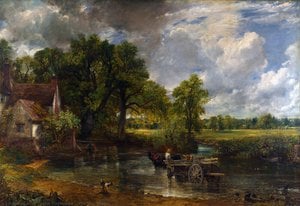
Descoperiți "Poarta Harnham, Salisbury", o capodopera impresionantă de John Constable! Admirați peisajul rural englezesc capturat cu emoție și lumină, un simbol al armoniei naturii și al vieții simple.

Reproducere manuală în ulei

Pictură în ulei pe pânză, pictată manual, la dimensiunea și ramele dorite de dumneavoastră, realizată la comandă de artiștii noștri.

P118B $10
P118H $10
P118W $10
P438Z $10
P508JH $12
P508YH $12
P805H $10
P805Z $10
P919BZ $10
P919G $10
P919XJ $10
P959ZH $10
P968JZ $12
W106C $8
W218G $10
W218JH $8
W218Y $10
W307PJ $10
W316G $10
W316PJ $8
W316Y $10
W398PJ $8
W4111J $10
W500HY $15
W500JH $15
W692G $12
W849H $8
W940BG $15
W953PJ $8

Standard
custom
CM
INCH

Alegeți dintre dimensiunile noastre prestabilite, care respectă proporțiile originale ale operei de artă.

lățime
înălțime

Puteți introduce propriile dimensiuni pentru a se potrivi unui anumit cadru sau spațiu. Dacă dimensiunea selectată nu corespunde proporțiilor imaginii originale, vom decupa opera de artă sau vom extinde pictura cu elemente suplimentare pictate manual. O simulare digitală vă va fi trimisă pentru aprobare înainte de începerea producției.
Vă rugăm să rețineți că previzualizarea de pe ecran nu reflectă decuparea sau extinderea reală. Doar macheta va arăta cu exactitate compoziția finală.
Deși sunt disponibile dimensiuni personalizate, vă recomandăm să selectați o dimensiune din lista predefinită pentru a păstra proporțiile originale.

Exemple de elemente ce pot fi modificate: Înlocuiți fața cu fotografia clientului; Adăugați un animal de companie (de exemplu, înlocuiți pisica cu un câine); Includeți un mesaj ascuns în fundal; Schimbați peisajul sau elementele din fundal.
După plasarea comenzii, echipa WahooArt.com va trimite clientului instrucțiuni prin e-mail și îi va furniza o previzualizare a machetei

Livrare în întreaga lume () în 3/4 săptămâni, în loc de cele 5 săptămâni standard. (2 Iulie). Fără compromisuri în ceea ce privește calitatea.

why_choose_icon
Livrare expres gratuită la nivel mondial
why_choose_icon
Pânză de in de înaltă calitate
why_choose_icon
Asigurare completă pentru transport
why_choose_icon
Garanție de rambursare a taxelor vamale
why_choose_icon
Garanția fidelității culorilor
why_choose_icon
Politica de retur de 60 de zile (doar pentru defecte)
why_choose_icon
Garanție 100% de rambursare
why_choose_icon
Reducere la comenzi multiple

Preț total

-

reproduction

thalys

Tehnică de reproducere

Dimensiune reproducere

-

Preț total calculat

-

Informații rapide

  • Influences: Claude Lorrain
  • Medium: Oil on canvas
  • Subject or theme: Rural Pastoral Scene
  • Location: Private Collection
  • Notable elements or techniques: Atmospheric perspective; Impasto brushstrokes
  • Artist: John Constable

Test de cunoștințe despre artă

Fiecare întrebare are un singur răspuns corect.

Întrebare 1:
What is the primary subject matter of ‘thalys’?
Întrebare 2:
Which artistic movement is ‘thalys’ associated with?
Întrebare 3:
The image description highlights the importance of what element in capturing the mood of the painting?
Întrebare 4:
John Constable’s upbringing significantly influenced his artistic style. Where did he spend much of his childhood?
Întrebare 5:
What role did George Beaumont play in John Constable’s artistic development?

Descriere operă de artă

A Symphony of Light and Landscape: Exploring John Constable’s “Thalys”

John Constable's "Thalys" isn’t merely a depiction of a riverside scene; it’s an embodiment of the Romantic spirit—a profound meditation on nature’s power to inspire awe and evoke emotion. Painted circa 1820, this canvas captures a quintessential English landscape, specifically the Vale of Dedham, where Constable resided for much of his life, profoundly influencing his artistic vision. The painting portrays a tranquil riverbank bathed in dappled sunlight, dominated by two horses grazing peacefully alongside a meandering stream – a scene instantly recognizable as one of Constable’s most celebrated compositions.
  • Subject Matter: The artwork focuses on the pastoral beauty of rural England, reflecting the Romantic movement's fascination with unspoiled wilderness and its belief in nature’s moral influence.
  • Style: Constable’s style is characterized by Luminism—a technique that prioritizes capturing atmospheric effects and subtle gradations of light—resulting in an ethereal quality that transcends mere representation.
  • Technique: Employing oil paints on canvas, Constable meticulously blended colors to achieve remarkable realism while simultaneously conveying the feeling of a particular moment in time. He utilized impasto – thick brushstrokes – to build up texture and enhance the visual impact of the landscape.
The historical context surrounding “Thalys” is crucial to understanding its significance. Painted during Constable’s peak creative period, it exemplifies the Romantic movement's reaction against Neoclassical formalism. Artists like Lorrain championed a return to classical ideals, but Constable sought inspiration in the immediacy of observation and the expressive potential of color and light—a bold departure from established artistic conventions. The painting speaks volumes about the Victorian era’s preoccupation with moral contemplation and its appreciation for the sublime – experiences that stir the soul and elevate us beyond everyday concerns. Symbolism: Beyond its visual splendor, “Thalys” carries symbolic weight. The horses represent fertility and pastoral tranquility, mirroring the idealized vision of rural life prevalent in Romantic art. Furthermore, the river symbolizes passage—both literal and metaphorical—suggesting a journey toward spiritual enlightenment. Constable’s masterful rendering of light – particularly the way it illuminates the foliage and reflects on the water – embodies the Romantic belief that nature possesses divine beauty and offers solace from worldly anxieties. Emotional Impact: Viewing “Thalys” evokes a feeling of serenity and contemplation. The artist's ability to convey the subtle nuances of light and atmosphere transports the viewer into the heart of the landscape, fostering a connection with the natural world that resonates deeply within the human spirit. It’s a painting designed not just to be seen but felt—a testament to Constable’s genius as both an artist and a poet of place. Its enduring appeal lies in its capacity to capture the essence of Romantic idealism: a celebration of beauty, truth, and the transformative power of nature.

Biografie artist

A Life Rooted in the English Landscape

John Constable, born in 1776 in the idyllic Suffolk village of East Bergholt, wasn’t merely a painter of landscapes; he was a poet of the land, translating its subtle moods and enduring beauty onto canvas with an unprecedented emotional depth. His father, a prosperous corn merchant who owned both Dedham Vale and mills along the River Stour, provided not only financial security but also the very subject matter that would define Constable’s artistic life. This early immersion in the rural world – the slow rhythm of agricultural life, the ever-changing light on fields and water, the intimate details of nature – became indelibly etched into his sensibility. While initially destined to follow his father into business, a burgeoning passion for art, nurtured by local patrons like George Beaumont who introduced him to the works of Claude Lorrain, ultimately steered him toward a different path. Constable’s artistic journey wasn't immediate; it was a gradual unfolding, shaped by careful observation and a persistent desire to capture not just *what* he saw, but *how* it felt to be present within the landscape.

Breaking with Convention: A New Vision of Nature

Constable’s artistic development was marked by a deliberate rejection of prevailing academic conventions. Dissatisfied with the idealized and often theatrical landscapes favored by the Royal Academy, he sought instead a truthful representation of nature, imbued with personal feeling. He wasn't interested in grand historical narratives or mythological scenes; his focus remained steadfastly on the familiar countryside surrounding him. This commitment to depicting ordinary subjects – hay wains, farm buildings, village life – was initially met with resistance from critics who deemed his work too commonplace and lacking in ambition. However, Constable persevered, driven by a conviction that beauty resided in the everyday. He pioneered a technique of *plein air* painting, venturing outdoors to directly observe and capture the fleeting effects of light and weather. This direct engagement with nature allowed him to infuse his canvases with an immediacy and vitality previously unseen in British landscape art. His brushwork became increasingly loose and expressive, employing impasto – thick layers of paint – to create texture and convey a sense of movement and atmosphere. He wasn’t simply recording what he saw; he was translating his emotional response to the land into visual form.

Iconic Works and Lasting Influence

Constable's most celebrated works stand as testaments to his unique vision. The Hay Wain (1821), perhaps his most recognizable painting, depicts a quintessential rural scene on the River Stour, capturing the tranquility and harmony of agricultural life. Hadleigh Castle (1829) showcases his dramatic use of light and atmospheric effects, transforming a crumbling ruin into a powerful symbol of time’s passage. The series of paintings depicting Salisbury Cathedral from the Meadows (1831) demonstrates his ability to evoke different moods and times of day, revealing the cathedral as an integral part of the natural landscape. Netley Abbey (1824), with its evocative depiction of architectural grandeur amidst encroaching nature, exemplifies his skill in blending human creation with the wild beauty of the countryside. Despite facing initial struggles for recognition in England, Constable achieved considerable acclaim in France, where his innovative techniques and emotional depth resonated deeply with artists seeking a more naturalistic approach to landscape painting. He profoundly influenced the Barbizon School, a group of French painters who shared his commitment to *plein air* painting and direct observation of nature.

Personal Life & Final Years

Constable’s personal life was marked by both joy and sorrow. He married Maria Bicknell in 1816, and they had seven children, though sadly several did not survive infancy. His marriage provided him with emotional support but also financial strain. Elected a Royal Academician in 1829, he continued to face criticism from some quarters, particularly regarding his unconventional techniques. His later years were shadowed by Maria’s declining health and eventual death in 1828, an event that deeply affected him. Despite these hardships, Constable remained dedicated to his art, continuing to paint until his own passing on March 31, 1837. He left behind a rich artistic legacy—a testament to his unwavering commitment to capturing the beauty and emotional resonance of the English countryside. His paintings remain powerful evocations of a bygone era, inviting viewers to experience the landscape through his uniquely sensitive eyes.

Influences & Artistic Development

Constable’s artistic journey was shaped by several key influences. Initially, he admired the works of Claude Lorrain, whose idealized landscapes provided him with a foundation in composition and color theory. However, he quickly moved beyond Lorrain's formal approach, seeking to capture the more dynamic and unpredictable qualities of nature. The work of Jacob Ruysdael, a Dutch master known for his atmospheric landscapes, also had a significant impact on Constable’s style. He was particularly drawn to Ruysdael’s ability to convey a sense of depth and distance through subtle variations in tone and color. Furthermore, Constable's exposure to the works of John Thomas Smith, a contemporary engraver who specialized in reproducing landscape paintings, helped him develop his observational skills and understanding of tonal values. His early training at the Royal Academy provided him with a basic knowledge of drawing and painting techniques, but it was through independent study and direct experience that Constable truly honed his artistic vision.

A Legacy of Emotional Resonance

John Constable’s historical significance lies not only in his artistic innovations but also in his profound impact on the development of landscape painting. He challenged academic conventions, elevated the status of ordinary subjects, and paved the way for a more personal and emotionally expressive approach to art. His emphasis on direct observation, atmospheric effects, and truthful representation of nature anticipated many of the concerns of later Impressionist painters. He demonstrated that landscape could be a vehicle for profound emotional expression, capable of evoking feelings of nostalgia, tranquility, and awe. Though he faced financial hardship throughout much of his career, and died relatively young in 1837, his legacy endures. Today, Constable is celebrated as one of Britain’s greatest artists, whose paintings continue to captivate audiences with their beauty, sincerity, and enduring power. His work serves as a poignant reminder of the profound connection between humanity and the natural world, and the transformative potential of art to capture its essence.
John Constable

John Constable

1776 - 1837 , Regatul Unit al Marii Britanii și Irlandei

Detalii rapide

  • Artistic Movement Or Style: Romanticism
  • Artists Or Movements Influenced By This Artist: ['Barbizon School']
  • Artists Who Influenced This Artist:
    • Claude Lorrain
    • Ruisdael
  • Date Of Birth: 11 iunie 1776
  • Date Of Death: 31 martie 1837
  • Full Name: John Constable
  • Nationality: Britanic
  • Notable Artworks:
    • The Hay Wain
    • Hadleigh
    • Salisbury
  • Place Of Birth: East Bergholt, UK
Explorați opere de artă organizate pe teme, stiluri și caracteristici.