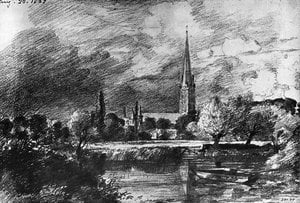
Acrylic On CanvasWallArtRomantic Landscape Painting
 19th Century
 46.0 x 63.0 cm
Pictură în ulei pe pânză, realizată manual de artiștii noștri la dimensiunea și ramele dorite de dumneavoastră, pe comandă. ( Comandă printul Cumpără imaginea)





























Alegeți dintre dimensiunile noastre prestabilite, care respectă proporțiile originale ale operei de artă.

Puteți introduce propriile dimensiuni pentru a se potrivi unui anumit cadru sau spațiu. Dacă dimensiunea selectată nu corespunde proporțiilor imaginii originale, vom decupa opera de artă sau vom extinde pictura cu elemente suplimentare pictate manual. O simulare digitală vă va fi trimisă pentru aprobare înainte de începerea producției.
Vă rugăm să rețineți că previzualizarea de pe ecran nu reflectă decuparea sau extinderea reală. Doar macheta va arăta cu exactitate compoziția finală.
Deși sunt disponibile dimensiuni personalizate, vă recomandăm să selectați o dimensiune din lista predefinită pentru a păstra proporțiile originale.
Livrare în întreaga lume () în 3-4 săptămâni, în loc de cele 5 săptămâni standard. (6 Septembrie). Fără compromisuri în ceea ce privește calitatea.


Study for The Leaping Horse (View on the Stour)
Dimensiune reproducere
This intimate study, measuring 46 x 63 cm, offers a profound glimpse into the artistic process of John Constable, one of England's most celebrated Romantic landscape painters. More than just a depiction of the River Stour, this piece embodies Constable’s deeply felt connection to his native Suffolk – a region he relentlessly returned to, seeking to capture its ever-shifting light and atmosphere with an almost obsessive dedication. The painting presents a serene scene of rural life, dominated by the gentle flow of the river and the presence of two horses, one poised mid-leap, adding a dynamic element to the otherwise tranquil composition. Scattered figures suggest human interaction with this natural world, hinting at the importance of agriculture and community within Constable’s beloved landscape.
Constable's artistic trajectory was inextricably linked to his upbringing in Dedham Vale, a valley dominated by the River Stour. His father, a successful corn merchant, possessed both the land and the mills along the river – providing Constable with an unparalleled opportunity to observe and represent this quintessential English landscape. This intimate familiarity is palpable in every brushstroke; the subtle variations in tone representing the changing light on water and foliage, the careful rendering of textures from the rough bark of trees to the smooth surface of the river. The painting’s genesis as a ‘study’ reveals Constable's meticulous approach – a preliminary exploration before committing to his larger, more ambitious works like 'The Leaping Horse'.
Executed in oil on canvas, this study showcases Constable’s mastery of the Romantic landscape style. He employed a technique known as ‘broken colour,’ layering thin washes of paint to create luminous effects and capture the atmospheric haze characteristic of the Stour Valley. The loose brushwork, particularly evident in the depiction of the water and sky, contributes significantly to the painting's sense of movement and immediacy. Constable wasn’t simply aiming for a realistic representation; he sought to evoke an emotional response – a feeling of awe and wonder at the beauty and power of nature. This is achieved through his masterful use of light and shadow, creating a palpable sense of depth and atmosphere.
The inclusion of the horses themselves carries symbolic weight. They represent not only the agricultural heartland of England but also embody freedom, power, and the untamed spirit of the countryside. The figures observing the scene reinforce this connection to rural life, highlighting the importance of agriculture and community within Constable’s world. This study is a testament to Constable's profound understanding of his subject matter – a deep-seated love for the English landscape that he translated into paintings of enduring beauty and emotional resonance. It offers a window into a bygone era, inviting viewers to contemplate the timeless relationship between humanity and nature.


1776 - 1837 , Regatul Unit al Marii Britanii și Irlandei

Explore the profound legacy of John Constable. Discover how his mastery of light, atmosphere, and the English landscape redefined Romanticism through timeless, museum-quality oil reproductions for discerning collectors.

Explore the profound beauty of village scene art. From Impressionist light to pastoral realism, discover how timeless landscapes capture nostalgia through expert artistry and historical depth. Perfect for collectors seeking evocative, museum-quality landscape inspirations.

 Previzualizare
 Trimite
 Distribuie
 Detalii despre lucrare

 Descarcă
 Produse similare
 Radiografie
 Diapozitive automate
 Vezi mai mult







 Opțiunea cu sticlă este disponibilă doar pentru dimensiuni de sub 110 cm