Vezi în context Previzualizare AR Comandă pictură realizată manual Treci la imagine digitală Trimite
Detalii Ghidul Adaugă la favorite Descarcă Produse similare Radiografie Diaporama Statistici

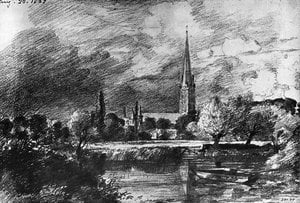
Stâncile Stonehenge

O reproducere impresionantă în acuarelă a monumentului Stonehenge de John Constable (1835), surprins într-un peisaj dramatic iluminat de nori și cu două persoane în prim plan.

Descoperiți "Poarta Harnham, Salisbury", o capodopera impresionantă de John Constable! Admirați peisajul rural englezesc capturat cu emoție și lumină, un simbol al armoniei naturii și al vieții simple.

Giclée / Imprimare artistică

Printuri giclée sau pe canvas de calitate muzeală, cu proces de producție rapid și opțiuni flexibile de finisare. ( Comandă pictură realizată manual Treci la imagine digitală)

Corner sample of the P118B picture frame: polistiren turnat, 5 cm wide and 3 cm thick
P118B lei10
Corner sample of the P118H picture frame: polistiren turnat, 5 cm wide and 3 cm thick
P118H lei10
Corner sample of the P118W picture frame: polistiren turnat, 5 cm wide and 3 cm thick
P118W lei10
Corner sample of the P438Z picture frame: polistiren turnat, 5.5 cm wide and 3.5 cm thick
P438Z lei10
Corner sample of the P508JH picture frame: polistiren turnat, 7 cm wide and 3.5 cm thick
P508JH lei12
Corner sample of the P508YH picture frame: polistiren turnat, 7 cm wide and 3.5 cm thick
P508YH lei12
Corner sample of the P805H picture frame: polistiren turnat, 5 cm wide and 3.5 cm thick
P805H lei10
Corner sample of the P805Z picture frame: polistiren turnat, 5 cm wide and 3.5 cm thick
P805Z lei10
Corner sample of the P919BZ picture frame: polistiren turnat, 7 cm wide and 3.5 cm thick
P919BZ lei10
Corner sample of the P919G picture frame: polistiren turnat, 7 cm wide and 3.5 cm thick
P919G lei10
Corner sample of the P919XJ picture frame: polistiren turnat, 7 cm wide and 3.5 cm thick
P919XJ lei10
Corner sample of the P959ZH picture frame: polistiren turnat, 5 cm wide and 3 cm thick
P959ZH lei10
Corner sample of the P968JZ picture frame: polistiren turnat, 6 cm wide and 4 cm thick
P968JZ lei12
Corner sample of the W106C picture frame: lemn masiv, 5 cm wide and 3 cm thick
W106C lei8
Corner sample of the W218G picture frame: lemn masiv, 5 cm wide and 3 cm thick
W218G lei10
Corner sample of the W218JH picture frame: lemn masiv, 5 cm wide and 3 cm thick
W218JH lei8
Corner sample of the W218Y picture frame: lemn masiv, 5 cm wide and 3 cm thick
W218Y lei10
Corner sample of the W307PJ picture frame: lemn masiv, 6 cm wide and 3 cm thick
W307PJ lei10
Corner sample of the W316G picture frame: lemn masiv, 6 cm wide and 3 cm thick
W316G lei10
Corner sample of the W316PJ picture frame: lemn masiv, 6 cm wide and 3 cm thick
W316PJ lei8
Corner sample of the W316Y picture frame: lemn masiv, 6 cm wide and 3 cm thick
W316Y lei10
Corner sample of the W398PJ picture frame: lemn masiv, 5 cm wide and 3 cm thick
W398PJ lei8
Corner sample of the W4111J picture frame: lemn masiv, 6.5 cm wide and 3.5 cm thick
W4111J lei10
Corner sample of the W500HY picture frame: lemn masiv, 7 cm wide and 5 cm thick
W500HY lei15
Corner sample of the W500JH picture frame: lemn masiv, 7 cm wide and 5 cm thick
W500JH lei15
Corner sample of the W692G picture frame: lemn masiv, 8 cm wide and 4 cm thick
W692G lei12
Corner sample of the W849H picture frame: lemn masiv, 5 cm wide and 3 cm thick
W849H lei8
Corner sample of the W940BG picture frame: lemn masiv, 7.5 cm wide and 4.5 cm thick
W940BG lei15
Corner sample of the W953PJ picture frame: lemn masiv, 6 cm wide and 3.5 cm thick
W953PJ lei8

Dimensiuni standard
personalizat
CM
INCH

Alegeți dintre dimensiunile noastre prestabilite, care respectă proporțiile originale ale operei de artă.

lățime
înălțime

Puteți introduce propriile dimensiuni pentru a se potrivi unui anumit cadru sau spațiu. Dacă dimensiunea selectată nu corespunde proporțiilor imaginii originale, vom decupa lucrarea de artă sau vom extinde imaginea cu margini oglindite sau cu o culoare uniformă. Un mockup digital va fi trimis pentru aprobarea dumneavoastră înainte de începerea producției.
Vă rugăm să rețineți că previzualizarea de pe ecran nu reflectă decuparea sau extinderea reală. Doar mockup-ul va arăta cu exactitate compoziția finală.
Deși dimensiunile personalizate sunt disponibile, vă recomandăm să selectați o dimensiune din lista predefinită pentru a păstra proporțiile originale.

Livrare în întreaga lume () în 2 săptămâni, în loc de cele 4/5 săptămâni standard. (13 Octombrie)

Livrare expres gratuită la nivel mondial
Pânză de in premium
Asigurare completă pentru transport
Garanție de rambursare a taxelor vamale
Garanția fidelității culorilor
Politica de retur în 100 de zile (doar pentru defecte)
Garanție de rambursare 100%
Reducere pentru comenzi multiple

Preț total

lei 309

Stâncile Stonehenge

Giclée / Imprimare artistică

Dimensiune reproducere

-

Preț total

lei 309

Detalii rapide

  • Dimensions: 387 x 591 cm
  • Location: Colecție privată
  • Notable elements or techniques: Detalii minuțioase ale naturii
  • Year: 1835
  • Influences: Claude Lorrain
  • Subject or theme: Monument Stonehenge

Un Portrait Epic al Naturii Britanice: Stonehenge de John Constable

John Constable este mai mult decât un simplu pictor; el este un poet al câmpurilor englezești, traducând emoțiile și frumusețea autentică a naturii pe pânza cu o sensibilitate fără egal. În copilărie, crescut în satul idilic East Bergholt, Suffolk, avea deja legături puternice cu lumea rurală – ritmul lent al vieții agricole, lumina schimbătoare asupra câmpurilor și râului Stour, detalii mici dar semnificative ale naturii care să-l influențeze profund pe artist. După ce părintele său, un comerciant prosper de cereale și proprietar al Dedham Vale și al morilor de pe Stour, îl pregătea inițial pentru cariera comercială, pasiunea pentru artă, încurajată de patronii locali precum George Beaumont care îl prezentau lui Claude Lorrain, operele acestuia fiind modele importante, l-a îndreptat în cele din urmă către o cale diferită. Constable nu a avut o ascensiune imediată în lumea artei; drumul său artistic a fost unul gradual și atent observat. În ciuda faptului că începuturile sale erau legate de domenii materiale, artistul a găsit inspirație în contemplarea peisajelor familiare și în încercarea de a surprinde adevărata esență a acestora. Această abordare este evidentă în pictura sa Stonehenge din anul 1835 – o lucrare care nu doar reprezintă unul dintre cele mai impresionante monumente ale arhitecturii preistorice britanice, ci și exprimă emoții puternice despre puterea naturii și despre locul omului în univers.
  • Subiectul: Stonehenge este un monument impresionant construit de triburile neolitice din Anglia aproximativ 5.000 ani în urmă. Structura complexă, alcătuită din pietre mari și bine poziționate, reprezintă unul dintre cele mai importante simboluri ale culturii britanice antice.
  • Stil: Stilul picturii Constable este caracterizat de realism impresionist. Artistul nu urmărea să reproducă perfect fiecare detaliu al monumentului Stonehenge, ci să surprindă atmosfera și emoțiile asociate cu acest loc sacru.
  • Tehnica: Constable a folosit tehnica uleiului pe pânză pentru a obține efecte luminoase și atmosferice impresionante. Aplicarea atentă a culorilor și utilizarea unor tehnici inovatoare au permis lui Constable să creeze o imagine vibrantă și emoționantă.
  • Context Istoric: Stonehenge este construit în timpul perioadei Neolitice Britanice, când oamenii preistorici practicau ritualuri religioase complexe și aveau o relație profundă cu natura. Pictura lui Constable apare într-o perioadă de interes crescut pentru studiul istoriei antice și pentru explorarea simbolurilor culturale.
  • Simbolism: Pietrele Stonehenge reprezintă puterea naturii, timpul și ciclul vieții. În pictură, aceste simboluri sunt exprimate printr-un joc armonios de lumini și culori, invitând privitorul să reflecteze asupra semnificației acestor elemente fundamentale.
În concluzie, Stonehenge de John Constable nu este doar o reprezentare grafică a unui monument impresionant; el este o expresie artistică puternică despre emoții umane și despre relația dintre om și natură. Reproducțiile atent realizate ale acestei opere sunt ideale pentru cei care apreciază arta clasică și caută să aducă în interiorul lor atmosfera autentică a unui peisaj britanic epic din trecut.

Întrebări și răspunsuri

Drepturile de autor asupra operei "Stâncile Stonehenge" de John Constable permit reproducerea acesteia?

"Stâncile Stonehenge" de John Constable, păstrat la Muzeul Victoria și Albert, este în domeniul public - drepturile de autor au expirat. Acest statut determină dacă pot fi realizate reproduceri ale imaginii.

Care sunt formatul și dimensiunile pentru "Stâncile Stonehenge"?

Formatul lucrării „Stâncile Stonehenge” este Orizontal, iar dimensiunile originale sunt 387 x 591 cm. Ambele informații sunt utile atunci când planificați o reproducere.

Din ce este realizată "Stâncile Stonehenge" și în ce stil?

În "Stâncile Stonehenge", tehnica Acrilic pe pânză întinsă întâlnește mișcarea Romantic Landscape Painting.

Ce atmosferă aduce "Stâncile Stonehenge" de John Constable într-un interior?

Atmosfera Dramatic a operei "Stâncile Stonehenge" de John Constable se potrivește perfect spațiului recomandat: un Living Room.

Pot examina "Stâncile Stonehenge" mai detaliat?

Vizualizarea X-Ray a operei "Stâncile Stonehenge" de John Constable se regăsește pe pagina Raze X a lucrării: o examinare interactivă a imaginii prin eleven straturi optice.

Cum pot vizualiza "Stâncile Stonehenge" de John Constable sub formă de diaporama?

Diaporama pentru "Stâncile Stonehenge" poate fi vizualizată pe pagina Diapozitive a operei de artă.

Ce artist și ce stil stau la baza operei "Stâncile Stonehenge"?

John Constable a creat "Stâncile Stonehenge" în cadrul mișcării Romantic Landscape Painting.

Ce armonie de culori prezintă "Stâncile Stonehenge" de John Constable?

Culorile din "Stâncile Stonehenge" de John Constable prezintă o armonie Paletă de culori delicate mixate. Armonia descrie modul în care culorile interacționează între ele.


Biografie artist

A Life Rooted in the English Landscape

John Constable, born in 1776 in the idyllic Suffolk village of East Bergholt, wasn’t merely a painter of landscapes; he was a poet of the land, translating its subtle moods and enduring beauty onto canvas with an unprecedented emotional depth. His father, a prosperous corn merchant who owned both Dedham Vale and mills along the River Stour, provided not only financial security but also the very subject matter that would define Constable’s artistic life. This early immersion in the rural world – the slow rhythm of agricultural life, the ever-changing light on fields and water, the intimate details of nature – became indelibly etched into his sensibility. While initially destined to follow his father into business, a burgeoning passion for art, nurtured by local patrons like George Beaumont who introduced him to the works of Claude Lorrain, ultimately steered him toward a different path. Constable’s artistic journey wasn't immediate; it was a gradual unfolding, shaped by careful observation and a persistent desire to capture not just *what* he saw, but *how* it felt to be present within the landscape.

Breaking with Convention: A New Vision of Nature

Constable’s artistic development was marked by a deliberate rejection of prevailing academic conventions. Dissatisfied with the idealized and often theatrical landscapes favored by the Royal Academy, he sought instead a truthful representation of nature, imbued with personal feeling. He wasn't interested in grand historical narratives or mythological scenes; his focus remained steadfastly on the familiar countryside surrounding him. This commitment to depicting ordinary subjects – hay wains, farm buildings, village life – was initially met with resistance from critics who deemed his work too commonplace and lacking in ambition. However, Constable persevered, driven by a conviction that beauty resided in the everyday. He pioneered a technique of *plein air* painting, venturing outdoors to directly observe and capture the fleeting effects of light and weather. This direct engagement with nature allowed him to infuse his canvases with an immediacy and vitality previously unseen in British landscape art. His brushwork became increasingly loose and expressive, employing impasto – thick layers of paint – to create texture and convey a sense of movement and atmosphere. He wasn’t simply recording what he saw; he was translating his emotional response to the land into visual form.

Iconic Works and Lasting Influence

Constable's most celebrated works stand as testaments to his unique vision. The Hay Wain (1821), perhaps his most recognizable painting, depicts a quintessential rural scene on the River Stour, capturing the tranquility and harmony of agricultural life. Hadleigh Castle (1829) showcases his dramatic use of light and atmospheric effects, transforming a crumbling ruin into a powerful symbol of time’s passage. The series of paintings depicting Salisbury Cathedral from the Meadows (1831) demonstrates his ability to evoke different moods and times of day, revealing the cathedral as an integral part of the natural landscape. Netley Abbey (1824), with its evocative depiction of architectural grandeur amidst encroaching nature, exemplifies his skill in blending human creation with the wild beauty of the countryside. Despite facing initial struggles for recognition in England, Constable achieved considerable acclaim in France, where his innovative techniques and emotional depth resonated deeply with artists seeking a more naturalistic approach to landscape painting. He profoundly influenced the Barbizon School, a group of French painters who shared his commitment to *plein air* painting and direct observation of nature.

Personal Life & Final Years

Constable’s personal life was marked by both joy and sorrow. He married Maria Bicknell in 1816, and they had seven children, though sadly several did not survive infancy. His marriage provided him with emotional support but also financial strain. Elected a Royal Academician in 1829, he continued to face criticism from some quarters, particularly regarding his unconventional techniques. His later years were shadowed by Maria’s declining health and eventual death in 1828, an event that deeply affected him. Despite these hardships, Constable remained dedicated to his art, continuing to paint until his own passing on March 31, 1837. He left behind a rich artistic legacy—a testament to his unwavering commitment to capturing the beauty and emotional resonance of the English countryside. His paintings remain powerful evocations of a bygone era, inviting viewers to experience the landscape through his uniquely sensitive eyes.

Influences & Artistic Development

Constable’s artistic journey was shaped by several key influences. Initially, he admired the works of Claude Lorrain, whose idealized landscapes provided him with a foundation in composition and color theory. However, he quickly moved beyond Lorrain's formal approach, seeking to capture the more dynamic and unpredictable qualities of nature. The work of Jacob Ruysdael, a Dutch master known for his atmospheric landscapes, also had a significant impact on Constable’s style. He was particularly drawn to Ruysdael’s ability to convey a sense of depth and distance through subtle variations in tone and color. Furthermore, Constable's exposure to the works of John Thomas Smith, a contemporary engraver who specialized in reproducing landscape paintings, helped him develop his observational skills and understanding of tonal values. His early training at the Royal Academy provided him with a basic knowledge of drawing and painting techniques, but it was through independent study and direct experience that Constable truly honed his artistic vision.

A Legacy of Emotional Resonance

John Constable’s historical significance lies not only in his artistic innovations but also in his profound impact on the development of landscape painting. He challenged academic conventions, elevated the status of ordinary subjects, and paved the way for a more personal and emotionally expressive approach to art. His emphasis on direct observation, atmospheric effects, and truthful representation of nature anticipated many of the concerns of later Impressionist painters. He demonstrated that landscape could be a vehicle for profound emotional expression, capable of evoking feelings of nostalgia, tranquility, and awe. Though he faced financial hardship throughout much of his career, and died relatively young in 1837, his legacy endures. Today, Constable is celebrated as one of Britain’s greatest artists, whose paintings continue to captivate audiences with their beauty, sincerity, and enduring power. His work serves as a poignant reminder of the profound connection between humanity and the natural world, and the transformative potential of art to capture its essence.

John Constable

John Constable

1776 - 1837 , Regatul Unit al Marii Britanii și Irlandei

Informații rapide

  • Artistic Movement Or Style: Romanticism
  • Artists Or Movements Influenced By This Artist: ['Barbizon School']
  • Artists Who Influenced This Artist:
    • Claude Lorrain
    • Ruisdael
  • Date Of Birth: 11 iunie 1776
  • Date Of Death: 31 martie 1837
  • Full Name: John Constable
  • Nationality: Britanic
  • Notable Artworks:
    • The Hay Wain
    • Hadleigh
    • Salisbury
  • Place Of Birth: East Bergholt, UK
Explorați opere de artă organizate pe teme, stiluri și caracteristici.