CONSULTAȚIE GRATUITĂ ÎN ARTE VIZUALE

x
Comandă tipăritul Comandă tipăritulCumpără imaginea Cumpără imaginea TrimiteTrimite
DetaliiDetalii Adaugă la favorite Adaugă la favorite DescarcăDescarcă SimilareSimilare Raze XRaze X DiaporamaDiaporama

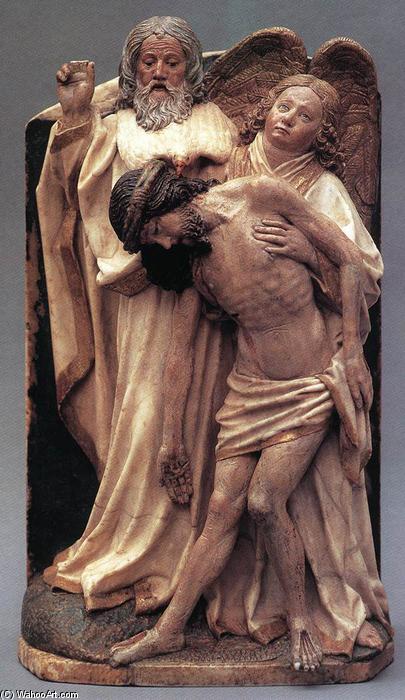
Holy Trinity

Sculptură impresionistă de Hans Multscher din alabastru reprezentând Sfânta Trinitate, realizată în jurul anului 1430 și prezentată în Colecția Publică Liebighaus din Frankfurt.

"meta_description": "Hans Multscher (1400-1467) a fost un sculptor și pictor german esențial în tranziția de la gotic la renascentism. Celebru pentru altarul Wurzach, operează cu realism și emoție, influențând arta germanei."

Reproducere manuală în ulei

Pictură în ulei pe pânză, pictată manual, la dimensiunea și ramele dorite de dumneavoastră, realizată la comandă de artiștii noștri.

Standard
custom
CM
INCH

Alegeți dintre dimensiunile noastre prestabilite, care respectă proporțiile originale ale operei de artă.

lățime
înălțime

Puteți introduce propriile dimensiuni pentru a se potrivi unui anumit cadru sau spațiu. Dacă dimensiunea selectată nu corespunde proporțiilor imaginii originale, vom decupa opera de artă sau vom extinde pictura cu elemente suplimentare pictate manual. O simulare digitală vă va fi trimisă pentru aprobare înainte de începerea producției.
Vă rugăm să rețineți că previzualizarea de pe ecran nu reflectă decuparea sau extinderea reală. Doar macheta va arăta cu exactitate compoziția finală.
Deși sunt disponibile dimensiuni personalizate, vă recomandăm să selectați o dimensiune din lista predefinită pentru a păstra proporțiile originale.

Exemple de elemente ce pot fi modificate: Înlocuiți fața cu fotografia clientului; Adăugați un animal de companie (de exemplu, înlocuiți pisica cu un câine); Includeți un mesaj ascuns în fundal; Schimbați peisajul sau elementele din fundal.
După plasarea comenzii, echipa WahooArt.com va trimite clientului instrucțiuni prin e-mail și îi va furniza o previzualizare a machetei

Livrare în întreaga lume () în 3/4 săptămâni, în loc de cele 5 săptămâni standard. (2 Iulie). Fără compromisuri în ceea ce privește calitatea.

why_choose_icon
Livrare expres gratuită la nivel mondial
why_choose_icon
Pânză de in de înaltă calitate
why_choose_icon
Asigurare completă pentru transport
why_choose_icon
Garanție de rambursare a taxelor vamale
why_choose_icon
Garanția fidelității culorilor
why_choose_icon
Politica de retur de 60 de zile (doar pentru defecte)
why_choose_icon
Garanție 100% de rambursare
why_choose_icon
Reducere la comenzi multiple

Preț total

-

reproduction

Holy Trinity

Tehnică de reproducere

Dimensiune reproducere

-

Preț total calculat

-

Informații rapide

  • Artistic style: Schönen Stil
  • Movement: Late Gothic Realism
  • Location: Liebieghaus-Museum
  • Medium: Alabaster
  • Title: Holy Trinity
  • Artist: Hans Multscher
  • Dimensions: 28 x 16 cm

Test de cunoștințe despre artă

Fiecare întrebare are un singur răspuns corect.

Întrebare 1:
What is the primary material used in Hans Multscher’s sculpture ‘Holy Trinity’?
Întrebare 2:
Around what year was ‘Holy Trinity’ created?
Întrebare 3:
The sculpture depicts the Christian concept of which holy figures?
Întrebare 4:
What artistic style is ‘Holy Trinity’ associated with?
Întrebare 5:
The sculpture's depiction of Christ emphasizes which theological theme?

Descriere operă de artă

Hans Multscher și Fresco-ul Sfântului Duh în Catedrala Sfântul Mihail din Salzburg

În centrul Salzburgerului se află o catedrală impresionantă, cunoscută pentru frescele sale extraordinare realizate de artistul austriac Hans Multscher. Această lucrare monumentală este mai mult decât un simplu simbol religios; ea reprezintă vârful unei perioade estetice complexe și emoționale profundă, marcând tranziția dintre stilurile medievale și renașterea artistică în Europa Centrală. În anul 1497, arhitectul Johannes Baumgartner a început să construiască această catedrală pentru familia Principeilor Habsburgieni și ea este astăzi unul dintre cele mai importante monumente istorice ale orașului Salzburg.

  • Context Istoric: Lucrarea lui Multscher aparține perioadei Barocului Salzburger, o epocă caracterizată de exuberanță decorativă și emoție teatrală. În acest timp, catedrala a fost remodelată în stilul său actual și este cunoscută pentru frescele sale impresionante realizate de Giovanni Battista Piranesi și Franz Anton Maulbeer.
  • Stil Artistic: Multscher a îmbrățișat stilul Barocului Salzburger cu o sensibilitate aparte, influențat puternic de tradițiile artistice italiene și otomane ale vremii. Sculptorul a fost unul dintre cei mai promițători reprezentanți ai artei regionale din Germania și el a fost cunoscut pentru abilitatea sa de a combina elemente clasice și orientale într-o manieră inovatoare.
  • Tehnica Execuției: Fresco-ul Sfântului Duh este realizat în tehnica tradițională a picturii murale, folosind pigmenti naturali aplicate pe un strat de gips preparat cu atenție. Multscher a folosit o paletă largă de culori vibrante și luminoase pentru a reda emoția și puterea simbolurilor religioase reprezentate în frescă.

Simbolismul Fresco-ului Sfântului Duh

Fresco-ul Sfântului Duh este unul dintre cele mai importante opere ale lui Multscher și el reprezintă un simbol puternic al credinței creștinilor în puterea Duhului Sfânt de a aduce iluminare și salvare umană. În centrul imaginii se află Dovea Sfântului Duh, reprezentată într-o poziție majestuoasă și solemnă, simbolizând astfel prezența divină și puterea lui Dumnezeu de a transforma lumea umană. Dovea este înconjuroată de lumini puternice și este iluminată din interior, ceea ce creează un efect impresionant și emoționant pentru privitorul atent. În jurul Dovei Sfântului Duh sunt reprezentate alte simboluri religioase importante, precum crucifixul și altarul bisericii, care exprimă astfel credința în sacrificiul lui Cristos și în gloria creștinismului.

Impactul Artistic și Emoțional

Fresco-ul Sfântului Duh este considerat una dintre cele mai frumoase opere ale artei Barocului Salzburger și el a fost apreciat atât de critici cât și de public pentru eleganța sa stilistică și emoția puternică pe care o transmite. Lucrarea lui Multscher este un exemplu excelent al manierismului artistic, caracterizat de expresie dramatică și simboluri complexe. Sculptorul a reușit să creeze o imagine impresionantă și emoționantă pentru privitorul atent, capturând astfel puterea simbolurilor religioase și frumusețea stilului artistic. Fresco-ul Sfântului Duh rămâne astăzi unul dintre cele mai importante monumente ale artei Salzburgerului și el este accesibil tuturor celor interesați de istoria și cultura europeană.

Biografie artist

A Pioneer of German Realism: The Life and Art of Hans Multscher

Born around 1400 in the small Bavarian town of Reichenhofen, now part of Leutkirch im Allgäu, Hans Multscher emerged as a pivotal figure bridging the stylistic transition from the late Gothic period to the burgeoning Renaissance in Germany. While precise details surrounding his early life remain somewhat elusive – historical records are often fragmented for this era – it’s clear that Multscher possessed an inquisitive spirit and a keen eye for artistic innovation, qualities that would define his career. He wasn't merely content to passively absorb prevailing trends; he actively sought out new influences, embarking on journeys that profoundly shaped his unique aesthetic vision. These travels likely took him to the artistic centers of northern France and the Netherlands, exposing him to the burgeoning realism and meticulous detail characteristic of Early Netherlandish painting – a style that would become a defining feature of his own work. The influence of artists like Jan van Eyck and Rogier van der Weyden is undeniably present in his later works, particularly in their use of light, texture, and psychological depth.

The Workshop and Artistic Development

The Multscher workshop wasn’t simply a place of production; it was a vibrant crucible of artistic experimentation. Hans oversaw a substantial team – records indicate as many as sixteen assistants at times – fostering an environment where traditional Gothic forms were gradually infused with the naturalism he had absorbed during his travels. This blending is particularly evident in his sculptural work, which moved away from the elongated figures and stylized drapery typical of the late Gothic period towards more anatomically accurate representations and a greater sense of emotional depth. His hands demonstrated a remarkable understanding of human anatomy, capturing not just the outward form but also the subtle nuances of expression and gesture. Simultaneously, his paintings began to reflect this shift, moving away from the flattened perspective and symbolic imagery of earlier devotional art toward a more three-dimensional space and a focus on realistic detail. The *Wurzacher Altar*, begun in 1437, stands as a monumental testament to this evolving style – a complex and ambitious project that showcases Multscher’s mastery of oil painting, a relatively new medium at the time, and his ability to render textures, light, and shadow with remarkable precision. The altar's panels depict scenes from the life of Christ and the Virgin Mary, each imbued with a palpable sense of humanity and emotional resonance. It’s important to note that Multscher wasn’t solely focused on religious subjects; his commissions also included secular works, such as the group of emperors adorning the eastern window of Ulm's city hall, demonstrating his versatility and appeal to a broad clientele. This willingness to engage with diverse subject matter reflects a broader shift in artistic patronage during this period, moving away from purely ecclesiastical commissions towards more civic and commercial endeavors.

Key Works and Lasting Legacy

Beyond the *Wurzacher Altar*, several other works cemented Multscher’s reputation as one of Germany's most important artists. The sculpture of *Holy Mary Magdalen*, now housed in Frankfurt's Liebieghaus, is a particularly poignant example of his ability to convey profound emotion through sculpted form. Her sorrowful expression and the delicate rendering of her hair and clothing reveal a deep understanding of human psychology – a hallmark of Multscher’s artistic approach. Another notable work is the *Man of Sorrows* – copies of which can be found at Ulm Minster – a powerful depiction of Christ’s suffering that reflects the devotional fervor of the era. The figures are not idealized or heroic; they are rendered with a raw, almost brutal honesty that invites viewers to contemplate the profound tragedy of Christ's sacrifice. These pieces, along with his contributions to the Ulm city hall, demonstrate Multscher’s skill in both sculpture and painting, as well as his ability to adapt his style to different contexts and patrons. His influence extended far beyond his own lifetime; the workshop he established continued to thrive after his death in 1467, disseminating his artistic principles throughout Swabia and beyond.

A Bridge Between Eras

Hans Multscher’s significance lies not only in the beauty and technical skill of his art but also in his role as a catalyst for change. He was among the first German artists to fully embrace the realism and naturalism that were transforming art in northern Europe, paving the way for subsequent generations of Renaissance masters. His work represents a crucial moment in the development of German art, marking a departure from the stylized conventions of the Gothic period towards a more humanistic and observational approach. While he didn’t entirely abandon traditional forms – elements of Gothic ornamentation can still be detected in his work – he skillfully integrated them with new techniques and aesthetic sensibilities, creating a unique artistic language that resonated deeply with his contemporaries and continues to captivate audiences today. He wasn't simply imitating Italian models; he was synthesizing influences from various sources—Northern European realism, Gothic tradition, and the burgeoning Renaissance—to create a distinctly German style.

Exploring Multscher’s World Today

Fortunately, numerous examples of Hans Multscher’s artistry survive, allowing us to appreciate his genius firsthand. The Gemäldegalerie Alte Meister in Dresden houses an impressive collection of European paintings from the 15th to 18th centuries, offering a broader context for understanding Multscher’s place within art history.
  • The Liebieghaus Museum in Frankfurt holds several key sculptures by Multscher.
  • Ulm Minster features his *Man of Sorrows* and other significant works.
  • Reproductions of the Wurzach Altar can be found in various museums throughout Germany.
For those interested in exploring high-quality reproductions of his work, platforms like WahooArt and WahooArt offer meticulously hand-painted copies that capture the nuances of his original masterpieces. Furthermore, resources such as Wikipedia and the Web Gallery of Art provide valuable biographical information and detailed analyses of his artistic style. By engaging with these resources, we can continue to celebrate the life and legacy of Hans Multscher – a true pioneer of German realism whose art continues to inspire and move us centuries later.
Hans Multscher

Hans Multscher

1400 - 1467 , Germania

Detalii rapide

  • Artistic Movement Or Style: Gotic/Renaissance
  • Artists Or Movements Influenced By This Artist: ['Ulm School']
  • Artists Who Influenced This Artist:
    • Stiluri Franceze
    • Stile Olandeze
  • Date Of Birth: c. 1400
  • Date Of Death: 1467
  • Full Name: Hans Multscher
  • Nationality: German
  • Notable Artworks:
    • Altar Wurzach
    • Maria Magdalena
    • Omul Suferirii
  • Place Of Birth: Reichenbach, Germania
Explorați opere de artă organizate pe teme, stiluri și caracteristici.