x
PrevizualizarePrevizualizare Previzualizare ARPrevizualizare AR Comandă printul Comandă printulCumpără imaginea Cumpără imaginea TrimiteTrimite
Detalii despre lucrareDetalii despre lucrare Adaugă la favorite Adaugă la favorite DescarcăDescarcă Produse similareProduse similare RadiografieRadiografie Diapozitive automateDiapozitive automate

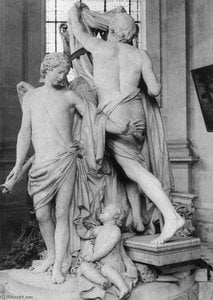
Monumentul Duifului

Monumentul Duifului de Guillaume II Coustou este o sculptură neoclasică impresionantă ce evocă solemnitatea și noblețea epocii lui Ludovic XV, simbolizând protecția divină și lamentarea pentru urmașul său. În catedrala Sens, Franța.

Guillaume Coustou II (1716-1777): French sculptor bridging Baroque & Neoclassical styles. Known for 'Horse Tamers' & the Monument to the Dauphin, his dramatic works influenced 18th-century art.

Reproducere pictată manual în ulei

Pictură în ulei pe pânză, realizată manual de artiștii noștri la dimensiunea și ramele dorite de dumneavoastră, pe comandă. (Comandă printul Comandă printulCumpără imaginea Cumpără imaginea)

P118B $10
P118H $10
P118W $10
P438Z $10
P508JH $12
P508YH $12
P805H $10
P805Z $10
P919BZ $10
P919G $10
P919XJ $10
P959ZH $10
P968JZ $12
W106C $8
W218G $10
W218JH $8
W218Y $10
W307PJ $10
W316G $10
W316PJ $8
W316Y $10
W398PJ $8
W4111J $10
W500HY $15
W500JH $15
W692G $12
W849H $8
W940BG $15
W953PJ $8

Standard
personalizat
CM
INCH

Alegeți dintre dimensiunile noastre prestabilite, care respectă proporțiile originale ale operei de artă.

lățime
înălțime

Puteți introduce propriile dimensiuni pentru a se potrivi unui anumit cadru sau spațiu. Dacă dimensiunea selectată nu corespunde proporțiilor imaginii originale, vom decupa opera de artă sau vom extinde pictura cu elemente suplimentare pictate manual. O simulare digitală vă va fi trimisă pentru aprobare înainte de începerea producției.
Vă rugăm să rețineți că previzualizarea de pe ecran nu reflectă decuparea sau extinderea reală. Doar macheta va arăta cu exactitate compoziția finală.
Deși sunt disponibile dimensiuni personalizate, vă recomandăm să selectați o dimensiune din lista predefinită pentru a păstra proporțiile originale.

Exemple de elemente ce pot fi personalizate: Înlocuiți fața cu fotografia clientului; Adăugați un animal de companie (de exemplu, înlocuiți pisica cu un câine); Includeți un mesaj ascuns în fundal; Schimbați peisajul sau elementele din fundal.
După plasarea comenzii, echipa WahooArt.com va contacta clientul prin e-mail pentru instrucțiuni și îi va furniza o previzualizare a machetei

Livrare în întreaga lume () în 3-4 săptămâni, în loc de cele 5 săptămâni standard. (28 August). Fără compromisuri în ceea ce privește calitatea.

why_choose_icon
Livrare expres gratuită la nivel mondial
why_choose_icon
Pânză de in de înaltă calitate
why_choose_icon
Asigurare completă pentru transport
why_choose_icon
Garanție de rambursare a taxelor vamale
why_choose_icon
Garanția fidelității culorilor
why_choose_icon
Politica de retur în 60 de zile (doar pentru defecte)
why_choose_icon
Garanție de rambursare 100%
why_choose_icon
Ofertă pentru comenzi multiple

Preț total

$ 322

reproduction

Monumentul Duifului

Tehnică de reproducere

Dimensiune reproducere

-

Preț total calculat

$ 322

Informații rapide

  • Medium: Marble
  • Influences: Classical Sculpture
  • Title: Monument to the Dauphin
  • Artistic style: Classical Sculpture
  • Artist: guillaume ii coustou
  • Location: Sens Cathedral
  • Movement: Neoclassicism

Test de cultură artistică

Fiecare întrebare are un singur răspuns corect.

Întrebare 1:
What artistic movement is exemplified by Guillaume II Coustou’s sculpture ‘Monument to the Dauphin’?
Întrebare 2:
The sculpture depicts two angels and a reclining figure. What is the primary symbolic significance of the angel figures?
Întrebare 3:
What architectural element contributes to the monument’s grandeur and creates a sense of depth?
Întrebare 4:
According to the description, what literary influence is referenced by the sculpture’s positioning and symbolism?
Întrebare 5:
What material was primarily used in the creation of ‘Monument to the Dauphin’?

Monument to the Dauphin: A Neoclassical Echo of Sorrow and Remembrance

Guillaume II Coustou’s monumental sculpture “Monument to the Dauphin,” commissioned by Louis XV and completed in 1777, stands as a testament to the grandeur and solemnity of Neoclassical art. More than just a depiction of two angels and a reclining figure, it embodies profound philosophical ideas rooted in Plato's cosmology—a microcosm reflecting the macrocosm—and speaks powerfully to themes of grief, honor, and royal lineage. Located within the Cathedral of Sens, France, this masterpiece exemplifies the artistic fervor of its era and continues to inspire awe and contemplation.
  • Composition & Perspective: The photograph’s low angle emphasizes the statue's monumental scale, creating a sense of grandeur that draws viewers upwards. Linear perspective guides the eye through the architectural backdrop—columns and windows—enhancing depth and conveying a feeling of solemn reverence.
  • Material & Technique: Crafted from marble, the sculpture showcases meticulous craftsmanship, utilizing polished surfaces to capture the texture of drapery and stone. The sculptor skillfully blended dramatic narrative with classical ideals, creating sculptures that were both visually impressive and intellectually engaging.
  • Symbolism & Emotion: The angelic figures symbolize divine protection and grace, while the reclining figure embodies rest and surrender—perhaps hinting at mortality. Overall, the sculpture evokes a palpable atmosphere of sorrowful contemplation, reflecting the humanist preoccupation with philosophical inquiry.
  • Historical Context: Created during Louis XV’s reign, “Monument to the Dauphin” reflects the broader artistic trends of Neoclassicism—a reaction against Baroque excess and a return to idealized forms inspired by ancient Greece and Rome. Falconet's work for Madame de Pompadour and Coustou’s equestrian statue of Louis XV exemplify this stylistic shift.
  • Influence & Legacy: The sculpture’s enduring appeal lies in its ability to communicate complex ideas about human existence and spirituality—a legacy that continues to resonate with artists and audiences today. Its destruction during the French Revolution serves as a poignant reminder of the turbulent political landscape of the time, yet its beauty and intellectual depth endure.

The sculpture’s meticulous attention to detail—particularly the drapery folds—demonstrates Coustou's mastery of sculptural technique. Furthermore, the statue’s placement within Sens Cathedral underscores its significance as a religious monument, reflecting the humanist preoccupation with philosophical inquiry.


Biografie artist

Guillaume II Coustou: Life and Legacy

Early Life and Training

  • Guillaume Coustou II was born in Paris, France, in 1716. He came from a distinguished family of sculptors – the son of Guillaume Coustou I and nephew of Nicolas Coustou.
  • His artistic training began within the family atelier, benefiting directly from the expertise of his father and uncle. This familial foundation instilled in him a strong understanding of sculptural techniques and traditions.
  • In 1736, he won the prestigious Prix de Rome, granting him the opportunity to study at the French Academy in Rome until 1739. This period was crucial for his artistic development, exposing him to classical sculpture and Italian Baroque styles.

Artistic Development and Style

  • Upon returning to Paris, Coustou seamlessly continued his father’s work, most notably completing the monumental Horse Tamers (Chevaux de Marly), a commission initially undertaken by Guillaume I but left unfinished due to illness.
  • His style evolved throughout his career, demonstrating a transition from the late Baroque exuberance of his early works to the more restrained and emotionally evocative forms of emerging Neoclassicism.
  • He skillfully blended dramatic narrative with classical ideals, creating sculptures that were both visually impressive and intellectually engaging.

Major Achievements and Notable Works

  • Horse Tamers (Chevaux de Marly): Perhaps his most famous achievement, these dynamic bronze sculptures depict horsemen controlling powerful steeds, embodying strength and mastery.
  • Monument to the Dauphin: This elaborate sculptural ensemble for Sens Cathedral was a significant commission that showcased Coustou’s ability to handle complex iconography and large-scale projects. The design's detailed imagery was developed in collaboration with Charles-Nicolas Cochin.
  • Vulcan: His morceau de réception (admission piece) for the Académie Royale de Peinture et de Sculpture, a seated Vulcan, exemplifies his Baroque sensibilities.
  • Ganymede: This sculpture demonstrates Coustou’s embrace of early Neoclassical aesthetics, drawing inspiration from Roman sculptures like those of Antinous.

Influences and Legacy

  • Coustou was profoundly influenced by his father and uncle, inheriting their technical skill and artistic sensibility. His time in Rome exposed him to the works of classical sculptors and Italian Baroque masters.
  • He, in turn, influenced a generation of younger sculptors, including Claude Dejoux, Pierre Julien, and the Danish sculptor Johannes Widewelt, who studied under him.
  • His work represents an important bridge between the Baroque and Neoclassical periods in French sculpture, contributing to the evolving artistic landscape of 18th-century Europe.

Historical Significance

  • Guillaume II Coustou played a vital role in shaping the aesthetic direction of French sculpture during a period of significant artistic change.
  • His ability to adapt his style and embrace new influences allowed him to maintain a successful career under different patronage systems.
  • His sculptures continue to be admired for their technical virtuosity, dramatic power, and historical significance, solidifying his place as a notable figure in the history of French art.
guillaume ii coustou

guillaume ii coustou

1716 - 1777 , France

Detalii rapide

  • Birth Date: 1716
  • Birth Place: Paris, France
  • Death Date: 1777
  • Influenced By:
    • Guillaume Coustou I
    • Nicolas Coustou
  • Movement:
    • Baroque
    • Neoclassicism
  • Name: Guillaume II Coustou
  • Nationality: French
  • Notable Works:
    • Horse Tamers (Chevaux de Marly)
    • Monument to the Dauphin
    • Vulcan
    • Ganymede
Explorați opere de artă organizate pe teme, stiluri și caracteristici.