PrevizualizarePrevizualizare Previzualizare ARPrevizualizare AR Comută pe Print Comută pe PrintComandă pictură lucrată manual Comandă pictură lucrată manual TrimiteTrimite
Detalii despre lucrareDetalii despre lucrare Adaugă la favorite Adaugă la favorite DescarcăDescarcă Produse similareProduse similare RadiografieRadiografie Diapozitive automateDiapozitive automate StatisticiStatistici

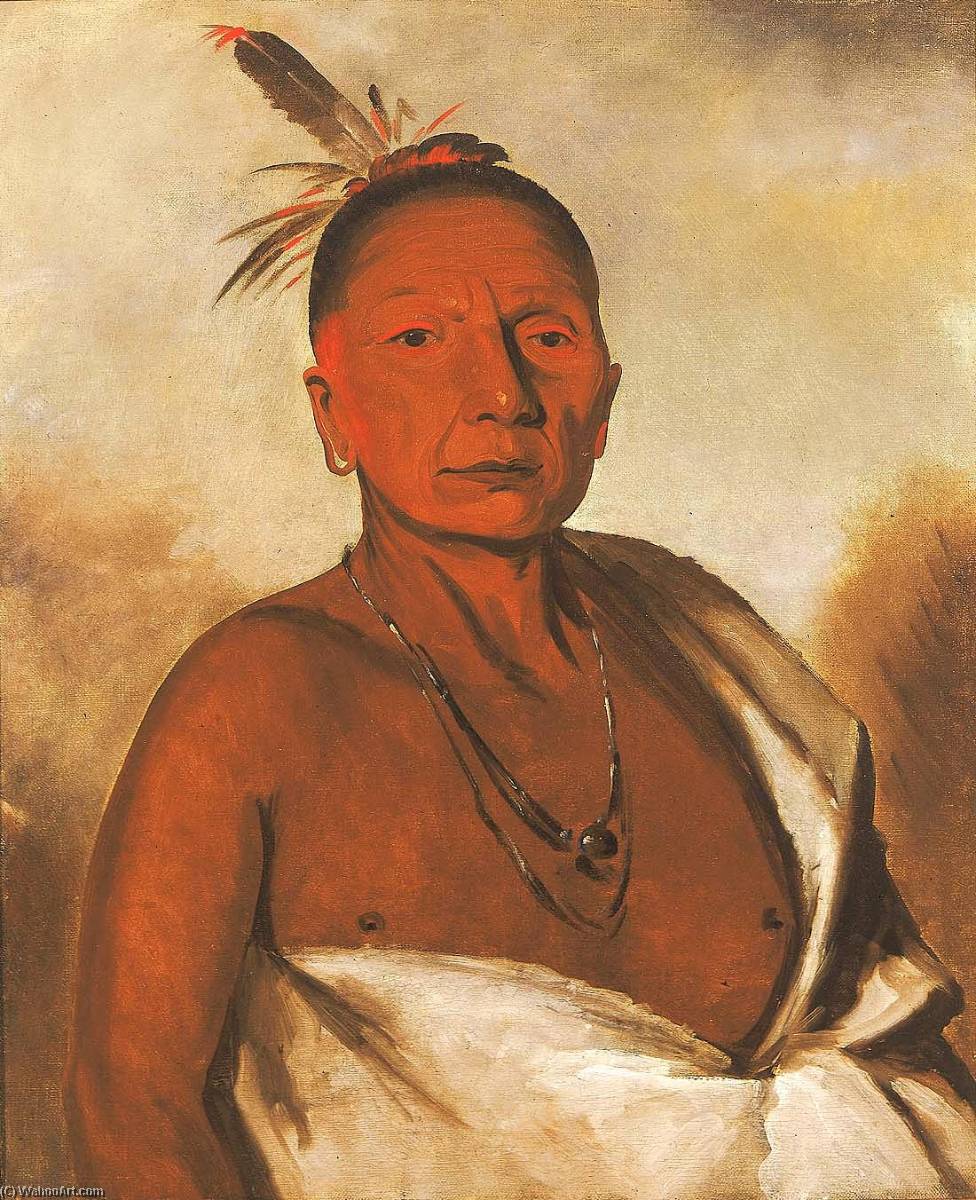
Kid á day, a Distinguished Brave

Experience the stern gaze of a Native American man in George Catlin's 1834 masterpiece; capture this evocative frontier portrait for your collection.

Descoperiți arta captivantă a lui George Catlin (1796-1872), renumit pentru portrete și peisaje vii care documentează viața nativilor americani la frontieră. Descoperiți o lume dispărută prin picturile sale uimitoare!

Achiziționați o imagine digitală de înaltă rezoluție, îmbunătățită, mult superioară previzualizării online.

Fiecare fișier este pregătit cu meticulozitate de specialiștii noștri interni, utilizând instrumente avansate și retușare manuală expertă. Ne asigurăm că fiecare imagine beneficiază de o claritate excepțională, o acuratețe precisă a culorilor și detalii fine.

Fișierul final este livrat prin e-mail în termen de 72 de ore, optimizat pentru utilizare imediată în medii profesionale, editoriale și de imprimare. Aceasta este aceeași calitate în care au încredere studiouri de design, edituri și galerii de top.

Imagine Digitală

Descărcați un fișier la rezoluție înaltă pentru afișare personală, imprimare și proiecte creative. (Comută pe Print Comută pe PrintComandă pictură lucrată manual Comandă pictură lucrată manual)

Preț total

$ 24,90

Inclus în fiecare comandă de imagini digitale

Livrare digitală de expertiză, garantată

Când alegeți WahooArt.com, nu primiți doar o simplă imagine – primiți o operă de artă digitală îmbunătățită profesional, creată cu precizie și susținută de o garanție de satisfacție. Iată tot ceea ce primești odată cu comanda ta, în mod automat:

shipping_icon
Livrare rapidă prin e-mail

Fișierul imaginii digitale la rezoluție înaltă vă va fi trimis prin e-mail în termen de 72 de ore de la finalizarea comenzii – gata pentru utilizare imediată.

canvas_icon
Fișier digital optimizat prin IA

Opera ta de artă este optimizată profesional prin intermediul unor instrumente AI avansate și al editării manuale, asigurând un nivel maxim de detalii, claritate și acuratețe a culorilor.

insurance_icon
Retransmitere gratuită pe viață

Ai șters sau ai pierdut din greșeală fișierul? Nu îți face griji – ți-l vom retrimite oricând, gratuit.

tax_icon
Fără taxe de import – Întotdeauna

Bucură-te instant de noua ta operă de artă, fără taxe vamale, taxe de import sau costuri de livrare – descărcările digitale sunt întotdeauna fără taxe.

color_icon
Garanția acurateții culorilor

Asigurăm o reflectare cât mai fidelă a culorilor originale în imaginea ta digitală, prin utilizarea unor instrumente profesionale și a proceselor de gestionare a culorii.

return_icon
Garanție de satisfacție de 100 de zile

Dacă nu sunteți mulțumit de imaginea digitală achiziționată, o vom revizui sau vă vom returna 100% în termen de 100 de zile - fără nicio întrebare.

guarantee_icon
Garanție de returnare 100% a banilor

Nu ești mulțumit? Primești rambursarea integrală în termen de 100 de zile de la primirea fișierului digital – fără nicio întrebare.

discount_icon
Reduceri pentru comenzi în volum

Cumpără 3 imagini, economisește 10% - Cumpără 5, economisește 15% - Cumpără 10+, economisește 20%. Ideal pentru proiecte creative, galerii și agenții.

Informații rapide

  • Artist: George Catlin
  • Dimensions: 74 x 61 cm
  • Subject or theme: Native American man
  • Title: Kid á day, a Distinguished Brave
  • Year: 1834

Test de cultură artistică

Fiecare întrebare are un singur răspuns corect.

Întrebare 1:
Who is the artist of the painting 'Kid á day, a Distinguished Brave'?
Întrebare 2:
What is the approximate date of creation for 'Kid á day, a Distinguished Brave'?
Întrebare 3:
The subject matter of the painting primarily depicts:
Întrebare 4:
George Catlin's biography suggests his fascination with Native American cultures was partly driven by:
Întrebare 5:
The background elements in 'Kid á day, a Distinguished Brave' contribute to the overall sense of:

The Gaze of the Frontier: Capturing a Vanishing World

George Catlin’s Kid á day, a Distinguished Brave is more than just a portrait; it is a profound historical document rendered with the immediacy of a living memory. Painted in 1834, this work transports us directly to a moment suspended between cultures—a time when the vast, untamed spirit of the American frontier was meeting the relentless march of change. The subject, depicted with such arresting dignity, commands attention through his unwavering gaze. He stares into the distance, not merely at the viewer, but perhaps toward a horizon that holds both promise and inevitable loss. Catlin, who dedicated his life to documenting the vanishing ways of Native American tribes, imbued this painting with an almost anthropological reverence, capturing not just likeness, but spirit.

Mastery in Depiction: Technique and Presence

The technical skill evident in Kid á day is breathtaking. Catlin utilized his brushwork to build a palpable sense of atmosphere, particularly in the expansive sky that serves as the backdrop. This open space does more than simply frame the figure; it suggests limitless possibility alongside the weight of history. Observe the meticulous detail on the man’s attire and the feather adorning his hair—each element speaks to cultural identity and personal status. The contrast between the rich, earthy tones of the subject and the lighter expanse of the sky gives the composition a remarkable depth. It is a study in contrasts: the stillness of the pose against the implied vastness of the landscape.

Symbolism of the Brave Spirit

The title itself suggests a narrative of distinction and courage. The man’s stern expression is not one of defiance, but of deep contemplation—the bearing of someone who has witnessed much and understood little in comparison to the weight of tradition. The necklace he wears, the feather crowning his head, these are potent symbols; they are markers of belonging, lineage, and a life lived under specific customs. For the modern collector or decorator, this piece offers an emotional anchor—a connection to resilience and enduring human spirit that transcends time periods.

Bringing the Frontier Home: Decorating with History

To incorporate Kid á day, a Distinguished Brave into your space is to invite a narrative of profound depth. Its commanding presence works beautifully in formal drawing rooms or studies where history and contemplation are valued. The rich tonality and dramatic composition allow it to anchor a room without overwhelming it. Owning a high-quality reproduction allows you to possess this piece of American art history, bringing the evocative mystery of the 1830s into your contemporary life. It serves as a silent storyteller, prompting reflection on what endures and what changes across generations.


Biografie artist

Early Life and the Call of the Frontier

George Catlin, born in Wilkes-Barre, Pennsylvania, in 1796, was destined for a life profoundly shaped by the frontier—a world both alluring and perilous, vividly etched into his memory through the tales spun by his mother, Polly Sutton. Her own harrowing experience as a captive during an Indian raid ignited within young Catlin a deep fascination with the West, a land perceived not merely as distant but as imbued with a unique dignity and romance. Initially trained in law, he found himself drawn to a different path—a yearning to capture the essence of a vanishing way of life before it was irrevocably altered by westward expansion. This wasn’t simply an artistic pursuit; it stemmed from a profound sense of urgency, a premonition that these vibrant cultures were on the brink of disappearing. His early work, primarily engravings depicting scenes along the Erie Canal, demonstrated a remarkable technical skill and attention to detail—qualities he would later hone into his ambitious project: documenting the lives of Native American tribes. These initial endeavors served as a crucial foundation, sharpening his observational abilities and solidifying his commitment to visual storytelling, laying the groundwork for his future explorations.

Documenting a Vanishing World: The Indian Gallery

Catlin’s most enduring legacy is undoubtedly “The Indian Gallery,” an extraordinary collection of over 500 paintings meticulously crafted between the 1830s and 1836 during five extensive expeditions into the American West. He ventured up the Missouri River, penetrating territories inhabited by tribes such as the Mandan, Sioux, Blackfeet, and Choctaw—immersing himself within their communities, participating in ceremonies, witnessing daily life, and forging genuine relationships with tribal leaders. It’s crucial to understand that Catlin wasn't merely an observer; he actively sought to understand and represent these cultures authentically. His paintings are not simply portraits but vibrant narratives of Native American life, capturing the dynamism of their customs, the solemnity of their rituals, and the profound connection between people and the land. Works like Sham Fight, Mandan Boys (1832-1833) offer a glimpse into the playful yet competitive spirit of young warriors, while Medicine Buffalo of the Sioux (1839) powerfully conveys the dignity and authority of a prominent tribal leader. The meticulous detail in these paintings—from the intricate beadwork on clothing to the carefully rendered landscapes—reflects Catlin’s dedication to accuracy and his desire to present Native Americans not as savage stereotypes, but as individuals with rich cultural traditions and complex social structures.

A Journey Westward: Challenges and Artistic Evolution

Catlin's expeditions were far from easy. He faced immense logistical challenges – navigating treacherous rivers, enduring harsh weather conditions, and often relying on the hospitality of tribes wary of outsiders. Furthermore, he encountered significant resistance to his work—many Native Americans viewed his presence with suspicion, while government officials largely dismissed his efforts as frivolous or even exploitative. Despite these obstacles, Catlin persevered, driven by a deep conviction that documenting these cultures was an urgent necessity. His artistic style evolved throughout his journey, moving from the more formal engravings of his early career to a looser, more expressive approach that captured the immediacy and dynamism of Native American life. He experimented with color palettes, brushstrokes, and composition, striving to create paintings that were both visually compelling and emotionally resonant. The influence of Hudson River School painters is evident in his landscapes, while his portraits often incorporate elements of realism and psychological insight.

Recognition and Legacy

Catlin’s work initially garnered limited recognition in the United States, but it gained considerable acclaim abroad, particularly in Europe during the 1840s and 50s. Exhibitions in London, Paris, and Berlin captivated audiences with their vivid depictions of Native American life—a world largely unknown to Europeans. These international successes not only provided Catlin with much-needed financial support but also helped to raise awareness of the plight of Native Americans and challenge prevailing prejudices. He published several influential books, including *Letters and Notes on the Manners, Customs, and Conditions of North American Indians* (1841) and *Last Rambles Amongst the Indians of the Rocky Mountains and the Andes* (1868), which further solidified his reputation as a leading authority on Native American culture. Despite facing financial difficulties throughout his life, Catlin remained steadfast in his commitment to documenting these vanishing cultures until his death in 1872. Today, George Catlin is remembered not only for his artistic achievements but also for his pioneering role in advocating for the preservation of Native American heritage and challenging the dominant narratives of American history. His paintings serve as a poignant reminder of a time when indigenous cultures were on the brink of extinction—a legacy that continues to inspire artists and scholars alike.

Key Works

  • Sham Fight, Mandan Boys (1832-1833): A lively depiction of a playful mock battle among young Mandan warriors.
  • Mrs. George Catlin (Clara Bartlett Gregory) (1850): A portrait showcasing the artist’s wife, offering insight into his personal life.
  • Pipestone Quarry, Coteau Des Prairies (1848): Illustrates a sacred site for many tribes and their spiritual connection to the land.
  • Medicine Buffalo of the Sioux (1839): A striking portrait capturing the dignity and power of a prominent Sioux leader.
  • Prairie Meadows Burning (1832): Depicts a dramatic scene of controlled burning, highlighting the relationship between Native Americans and their environment.
  • Little Wolf, A Famos Warrior (1844): A powerful portrait of a Native American warrior, symbolizing strength and resilience.

George Catlin

George Catlin

1796 - 1872 , Statele Unite ale Americii

Detalii rapide

  • Artistic Movement Or Style: Frontier painting
  • Artists Or Movements Influenced By This Artist: ['Hudson River']
  • Artists Who Influenced This Artist:
    • Peale
    • Sully
  • Date Of Birth: 1796
  • Date Of Death: 1872
  • Full Name: George Catlin
  • Nationality: American
  • Notable Artworks:
    • Sham Fight
    • Prairie
    • Pipestone
    • Medicine
    • Eagle Dance
  • Place Of Birth: Wilkes-Barre, USA