Vezi în context Previzualizare AR Comută pe versiunea Print Treci la imagine digitală Trimite
Detalii Guide Adaugă la favorite Descarcă Produse similare Radiografie Diaporama Statistici

LE MARCHAND D'ORANGES

Discover Alexandre Decamps’ ‘Le Marchand d’Oranges’! An oil painting of a vibrant Mediterranean marketplace scene – realism meets impressionism. Explore texture, color & daily life.

Decamps, Alexandre-Gabriel—French, 1803-1860. 114. Street Scene in Naples. On canvas 19j4 in. x. IS in. 115. Study of Pigs. On canvas lOJi in. x 13^4 in ...Missing: daget biography)

Reproducere pictată manual în ulei

Pictură în ulei pe pânză, realizată manual de artiștii noștri la dimensiunea și ramele dorite de dumneavoastră, pe comandă. ( Comută pe versiunea Print Treci la imagine digitală)

P118B $10
P118H $10
P118W $10
P438Z $10
P508JH $12
P508YH $12
P805H $10
P805Z $10
P919BZ $10
P919G $10
P919XJ $10
P959ZH $10
P968JZ $12
W106C $8
W218G $10
W218JH $8
W218Y $10
W307PJ $10
W316G $10
W316PJ $8
W316Y $10
W398PJ $8
W4111J $10
W500HY $15
W500JH $15
W692G $12
W849H $8
W940BG $15
W953PJ $8

Dimensiuni standard
personalizat
CM
INCH

Alegeți dintre dimensiunile noastre prestabilite, care respectă proporțiile originale ale operei de artă.

lățime
înălțime

Puteți introduce propriile dimensiuni pentru a se potrivi unui anumit cadru sau spațiu. Dacă dimensiunea selectată nu corespunde proporțiilor imaginii originale, vom decupa opera de artă sau vom extinde pictura cu elemente suplimentare pictate manual. O simulare digitală vă va fi trimisă pentru aprobare înainte de începerea producției.
Vă rugăm să rețineți că previzualizarea de pe ecran nu reflectă decuparea sau extinderea reală. Doar macheta va arăta cu exactitate compoziția finală.
Deși sunt disponibile dimensiuni personalizate, vă recomandăm să selectați o dimensiune din lista predefinită pentru a păstra proporțiile originale.

Exemple de elemente ce pot fi personalizate: Înlocuiți fața cu fotografia clientului; Adăugați un animal de companie (de exemplu, înlocuiți pisica cu un câine); Includeți un mesaj ascuns în fundal; Schimbați peisajul sau elementele din fundal.
După plasarea comenzii, echipa WahooArt.com va contacta clientul prin e-mail pentru instrucțiuni și îi va furniza o previzualizare a machetei

Livrare în întreaga lume () în 3-4 săptămâni, în loc de cele 5 săptămâni standard. (21 Septembrie). Fără compromisuri în ceea ce privește calitatea.

why_choose_icon
Livrare expres gratuită la nivel mondial
why_choose_icon
Pânză de in premium
why_choose_icon
Asigurare completă pentru transport
why_choose_icon
Garanție de rambursare a taxelor vamale
why_choose_icon
Garanția fidelității culorilor
why_choose_icon
Politica de retur în 100 de zile (doar pentru defecte)
why_choose_icon
Garanție de rambursare 100%
why_choose_icon
Reducere pentru comenzi multiple

Preț total

$ 297

reproduction

LE MARCHAND D'ORANGES

Tip de reproducere

Dimensiune reproducere

-

Preț total

$ 297

Detalii rapide

  • Influences: Romanticism
  • Dimensions: 49.0 cm × 68.0 cm
  • Notable elements or techniques: Layered brushstrokes; Realistic depiction of light.
  • Subject or theme: Mediterranean marketplace scene
  • Location: Musée d'Orsay
  • Artistic style: Romantic realism
  • Year: 1842–1845

A Window Into Romantic Orientalism

In the heart of the mid-19th century, as Europe turned its gaze toward the mysterious and sun-drenched landscapes of the East, Alexandre Gabriel Decamps emerged as a visionary storyteller. His masterpiece, “Le Marchand d’Oranges,” painted between 1842 and 1845, serves as a breathtaking portal into the burgeoning Romantic movement. This oil on canvas, currently held in the prestigious Louvre Museum, does more than merely depict a marketplace; it captures the very soul of Orientalism. Decamps, a pioneer of this genre, moved beyond the rigid classical themes of his era to embrace the vibrant, often perilous allure of Persia, Egypt, and Morocco. Through his eyes, we are transported to a bustling Mediterranean or Middle Eastern bazaar, where the air feels thick with the scent of citrus and the hum of commerce.

The composition is a masterclass in balanced vitality. At the center of this urban tapestry sits a stall overflowing with a bountiful harvest of oranges, their bright hues acting as a focal point amidst a sea of earthy tones. Behind this abundance stands a merchant who embodies a sense of quiet dignity, a steady presence amidst the swirling activity of the market. A young child attends to him, adding a tender layer of domesticity to the scene. The background, with its hazy sky and distant architecture, provides a sense of profound depth, inviting the viewer to wander further into this imagined world. It is a scene that celebrates community and the rhythmic pulse of daily life, making it an ideal centerpiece for any collection seeking to evoke warmth and worldly sophistication.

Technique, Light, and the Art of Texture

While Decamps’ subject matter leans toward the exotic, his technical execution reveals a sophisticated precursor to Impressionism. He utilized naturalistic lighting to define form and texture, casting soft shadows that breathe life into the stone walls and wooden structures of the marketplace. His technique involved a meticulous layering of brushstrokes—a hallmark of Romanticism—which creates a rich, tactile surface. This method allows the viewer to appreciate the ruggedness of the fabrics and the weathered surfaces of the stalls, lending an undeniable sense of realism to the work.

The color palette is a deliberate study in harmony, dominated by warm, earthy pigments accented by muted blues and greens. This careful selection of tones ensures that while the oranges pop with life, they remain integrated into the atmospheric haze of the setting. For the discerning collector or interior designer, this painting offers a unique versatility; its grounded palette allows it to anchor a room with historical weight, while its luminous light can brighten a space with an air of timeless elegance. To possess a reproduction of such a piece is to bring a fragment of history’s most romantic era into the modern home, offering a constant source of visual and emotional inspiration.

Symbolism and Emotional Resonance

Beyond its surface beauty, “Le Marchand d’Oranges” carries a profound symbolic weight that resonates long after the first glance. The abundance of fruit is not merely a depiction of trade; it serves as a potent symbol of prosperity, fertility, and the sustenance provided by the earth. Yet, beneath this celebration of life, there exists a subtle, haunting melancholy—a characteristic touch of Decamps. There are whispers of the passage of time and a quiet contemplation on mortality that permeate the atmosphere, reminding us of the fleeting nature of both beauty and life.

This duality—the vibrant energy of the market contrasted with a deeper, more reflective mood—is what gives the artwork its enduring emotional impact. It is a painting that invites conversation and introspection. Whether viewed as a celebration of cultural exchange or a meditation on the human condition, it remains a captivating triumph of 19th-century art. For those looking to curate an environment filled with depth and narrative, this work stands as an incomparable choice, bridging the gap between the historical exoticism of the past and the refined aesthetics of the present.


Biografie artist

Alexandre Gabriel Decamps (1803-1860): A Pioneer of Orientalist Visions

Alexandre Gabriel Decamps, a name resonating with the vibrant hues of exotic landscapes and the dramatic flair of Romanticism, emerged as a pivotal figure in 19th-century French painting. Born in Paris on March 3, 1803, his artistic journey was one of bold innovation, challenging academic conventions and forging a path toward what would become known as Orientalism. While contemporaries like Delacroix and Ingres also held prominent positions within the French art world, Decamps distinguished himself through an intensely personal style—a blend of meticulous observation, dramatic composition, and a captivating narrative quality that drew viewers into worlds both familiar and utterly foreign. His early recognition as a talented artist foreshadowed a career marked by critical acclaim, culminating in the grand or council medal at the Paris Exhibition of 1855, a testament to his exceptional skill and unique vision. Beyond the canvas, Decamps was a man deeply connected to nature, finding solace and inspiration in the countryside surrounding Paris, where he indulged his passion for animals and field sports—a fondness that would subtly permeate much of his artistic output.
  • Early Life and Artistic Training:
  • Travels to the East: Shaping His Vision:
  • Style and Technique: Romantic Drama Meets Observation:
  • Notable Works: Landscapes, Biblical Scenes and Genre Art:
  • Legacy and Influence: The Father of Orientalism

Early Life and Artistic Training

Decamps’s formative years were steeped in Parisian intellectual life. He received a comprehensive education, mastering Latin and Greek—languages crucial for understanding the humanist tradition that underpinned much of European art at the time. This scholarly grounding would prove invaluable as he honed his artistic skills under the tutelage of Jean-Baptiste Camille Bouchardy, a respected teacher known for fostering realism and capturing the essence of human emotion. Decamps’s early works demonstrated an aptitude for portraiture and genre scenes—domestic interiors populated with figures imbued with psychological depth—reflecting the prevailing stylistic trends of the École de Barbizon, where artists sought inspiration in rural landscapes and celebrated the beauty of everyday life.

Travels to the East: Shaping His Vision

A pivotal moment in Decamps’s artistic development arrived when he embarked on expeditions to Egypt and Syria during the 1830s. These journeys profoundly impacted his sensibilities, exposing him to cultures vastly different from those of France—a contrast that fueled his desire to depict these lands with unprecedented accuracy and sensitivity. Unlike many artists of his era who relied on idealized representations or fantastical embellishments, Decamps meticulously documented the sights and sounds of the Middle East, capturing the textures of desert sands, the bustling marketplaces of Damascus, and the serene beauty of monastic churches. This commitment to realism wasn’t merely a matter of technical proficiency; it stemmed from a genuine fascination with Eastern traditions and beliefs—a fascination that would permeate his artistic output for decades to come.

Style and Technique: Romantic Drama Meets Observation

Decamps's artistic style was characterized by a masterful blend of Romantic drama and meticulous observation. He employed bold brushstrokes, creating textured surfaces that conveyed the palpable atmosphere of his subjects—whether biblical narratives or landscapes bathed in golden sunlight. His compositions were dynamic and theatrical, capturing movement and emotion with dramatic flair—a hallmark of the École de Barbizon’s influence. However, Decamps distinguished himself from his peers by grounding his artistic vision in detailed realism—a technique honed through countless hours spent studying nature and painstakingly recreating its nuances on canvas. This approach resulted in paintings that possessed both grandeur and intimacy, inviting viewers to immerse themselves in worlds rendered with breathtaking precision.

Notable Works: Landscapes, Biblical Scenes and Genre Art

Decamps produced a prolific oeuvre encompassing landscapes, biblical scenes, and genre art—each reflecting his distinctive artistic sensibilities. Among his most celebrated works are “Joseph Sold by His Brethren,” depicting a poignant depiction of biblical storytelling with remarkable attention to detail; “The Defeat of the Cimbri,” capturing the chaos and brutality of battle with dynamic energy; and “Incendie d’un village italien,” portraying a dramatic confrontation between figures against a backdrop of fiery hues. Furthermore, Decamps excelled in genre paintings—scenes from everyday life—such as “La Cour de ferme” and “L’École Turque”—where he captured the spirit of his subjects with humor and psychological insight. His depictions of animals—particularly dogs—were equally noteworthy, reflecting his lifelong passion for these creatures and conveying their inherent dignity and beauty.

Legacy and Influence: The Father of Orientalism

Alexandre Gabriel Decamps is rightfully considered the founding father of Orientalism in French painting. Prior to him, depictions of the East were often filtered through a lens of fantasy and exoticism—a stylistic convention that perpetuated stereotypes and obscured the complexities of Eastern cultures. Decamps challenged this tradition by presenting an unvarnished glimpse of life in North Africa and the Middle East—one rooted in direct observation and genuine curiosity. His groundbreaking approach inspired artists and writers alike, fostering a wave of Orientalist works that dominated much of 19th-century art. Maxime du Camp famously dubbed him “Christopher Columbus of the Orient,” recognizing his pioneering role in opening up this new artistic territory. Decamps’s legacy continues to endure through his captivating paintings—masterpieces like “The Albanian Dancer” and “A Bedouin and a Camel Resting in a Desert”—which are celebrated for their artistic merit and historical significance, ensuring that his vision inspires generations of artists to come. His works can be found in prestigious institutions such as the Musée du Louvre in Paris.
Alexandre Gabriel Decamps

Alexandre Gabriel Decamps

1803 - 1860 , Franța

Informații rapide

  • Artistic Movement Or Style: Școala franceză
  • Artists Or Movements Influenced By This Artist: ['Școala franceză']
  • Artists Who Influenced This Artist:
    • Delacroix
    • Ingres
  • Date Of Birth: Paris, Franța (1803)
  • Date Of Death: Fontainebleau, Franța (1860)
  • Full Name: Alexandre Gabriel Decamps
  • Nationality: Francez
  • Notable Artworks:
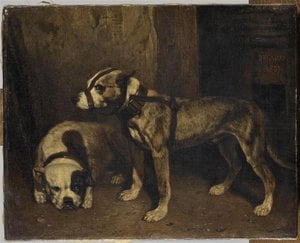
    • CHIENS BRIFAUTS
    • LA COUR DE FERME
    • L'École Turque
    • PAYSAGE TURC
  • Place Of Birth: Paris
Explorați opere de artă organizate pe teme, stiluri și caracteristici.