early life and seafaring days
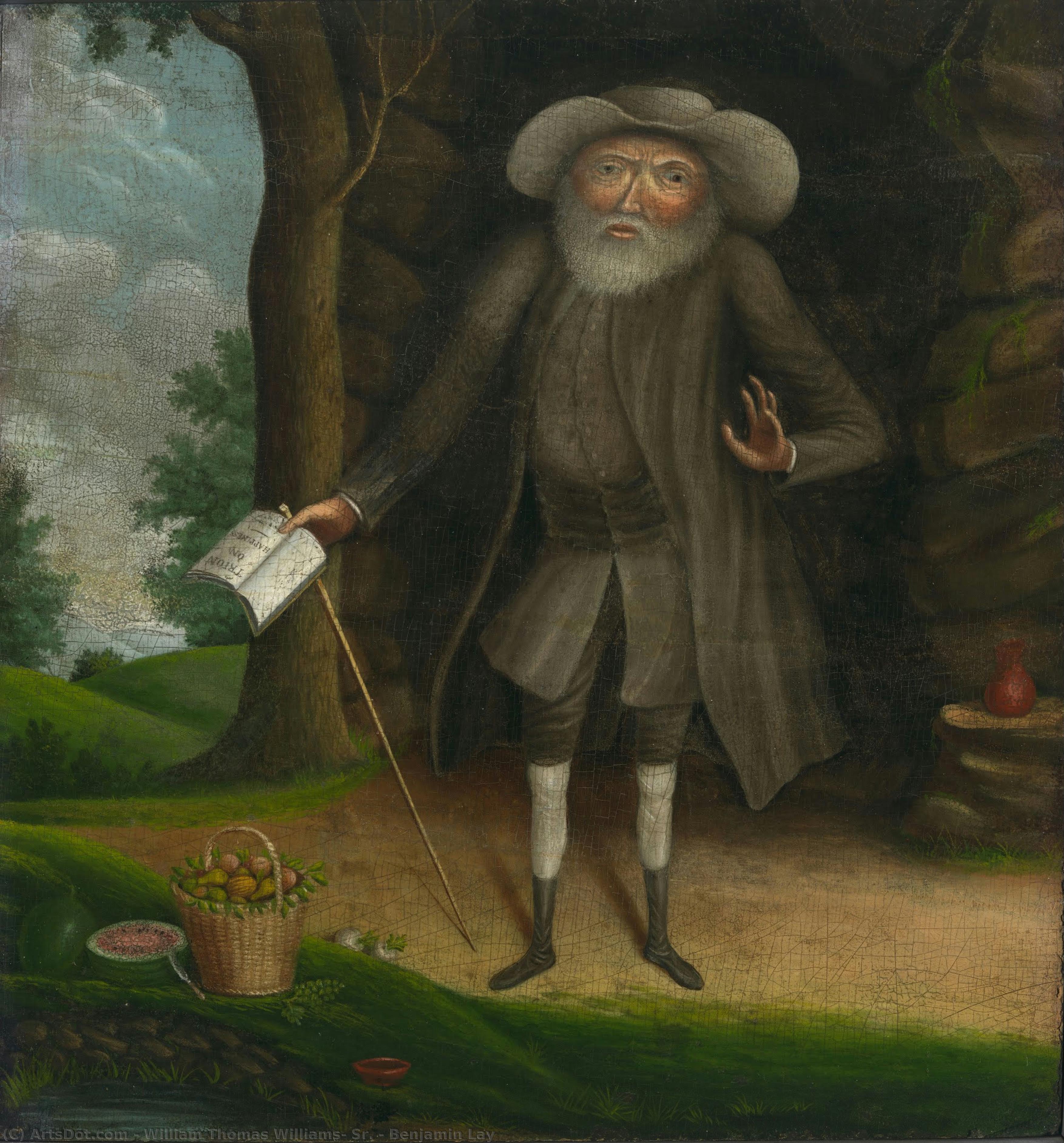
william thomas williams, sr., a prominent english-american painter and writer, was born in 1727 in bristol, england. his formative years were spent in caerphilly, wales, where he developed a profound connection with the sea. it is believed that williams was a seafarer during his early life, which significantly influenced his later artistic pursuits.
artistic career and notable works
williams's artistic career is marked by his unique blend of maritime experiences and literary inclinations. he penned
the journal of llewellin penrose, seaman, often regarded as the first american novel. although the book was not published until 1815, its original text wasn't released until 1969.
philadelphia and artistic legacy
in 1747, williams settled in philadelphia, where he played a pivotal role in establishing america's first theater. his art studio,
the sign of hogarth's head, became a hub for artistic innovation, with notable students including a young benjamin west.
artistic style and influences
williams's work is characterized by its eclectic mix of english and american influences, reflecting his seafaring background and literary inclinations. his style, though not widely documented, is believed to have been shaped by the then-prevailing artistic vogue for true travel tales.
legacy and remembrance
williams passed away in philadelphia in 1791, leaving behind a legacy that, although not immediately recognized, has contributed significantly to american art history. his story serves as a testament to the transatlantic influences that have shaped the art world.
key takeaways: - williams's life reflects the intersection of maritime adventures and artistic expression. - his literary works, though not immediately published, have contributed to american art history. - the english school of painting, with its blend of native talent and international influences, laid the groundwork for williams's unique style.


 Alternar para Impressão
 Enviar
 Compartilhar
 Ver detalhes
 Guia de Obras do Aluno

 Baixar imagem
 Semelhantes
 Apresentação de slides
 Estatísticas


 Ver mais






































 A opção de vidro está disponível apenas para tamanhos inferiores a 110 cm


