
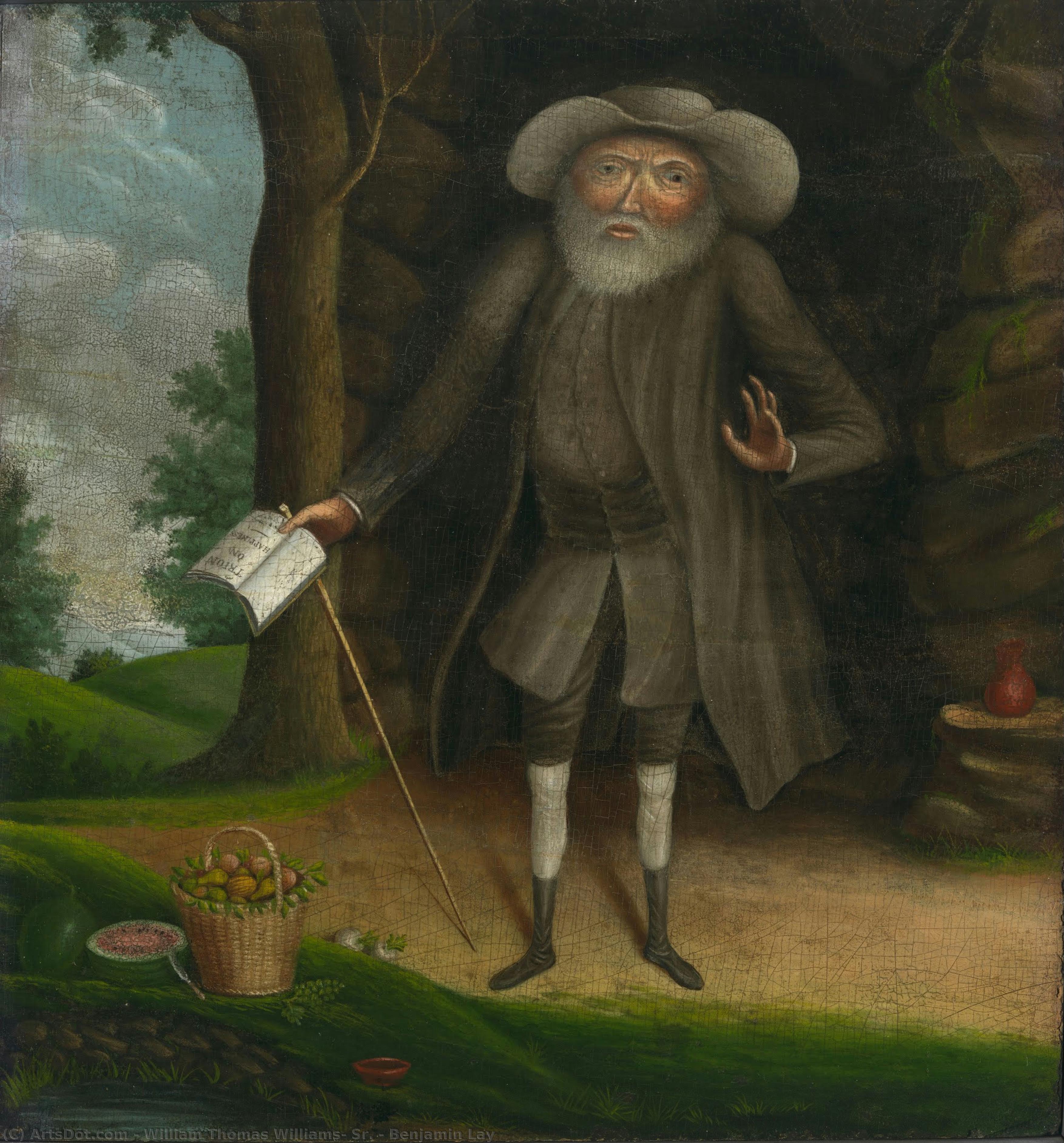
Benjamin Lay (1758) by William Thomas Williams, Sr., hand-painted oil painting reproduction by a master artist
Alternar para Impressão Alternar para Imagem Digital Compartilhar
Detalhes Guia Adicionar aos favoritos Baixar imagem Semelhantes Ver diaporama Q&A Estatísticas

Benjamin Lay Hand-painted oil painting reproduction

William Thomas Williams Sr.’s 1758 portrait of Benjamin Lay, a Quaker abolitionist, captures the intensity of his commitment to social justice against the backdrop of his cave-like home and a philosophical treatise. This evocative piece offers a glimpse into colonial America’s burgeoning antislavery movement.

Conheça William Thomas Williams Sr., pintor e escritor americano! Explore sua arte marítima, legado literário e influência em Filadélfia.

Reprodução em Óleo Feita à Mão

Óleo sobre tela pintado à mão no tamanho e moldura de sua escolha, feito sob encomenda pelos nossos artistas. ( Alternar para Impressão Alternar para Imagem Digital)

Tamanho padrão
personalizado
CM
INCH

Escolha entre os nossos tamanhos pré-definidos que respeitam as proporções originais da obra de arte.

largura
altura

Insira a largura e a altura desejadas para se ajustarem à sua moldura ou parede. Como esta obra é pintada à mão, para um tamanho com proporções diferentes, o artista poderá pintar um pouco mais ao redor da imagem ou reduzir ligeiramente a composição — você escolhe. Enviamos uma maquete digital para sua aprovação antes de iniciar a pintura. A imagem exibida nesta página não representa o resultado real — apenas a maquete mostra o resultado final.

Exemplos do que pode ser personalizado: Substituir o rosto pela foto do cliente; Adicionar um animal de estimação (ex: substituir gato por cão); Incluir uma mensagem oculta no fundo; Alterar a paisagem ou elementos do fundo.
Após o pedido, a equipa WahooArt.com enviará um e-mail ao cliente para solicitar instruções e fornecer uma prévia do esboço.

Entrega mundial () em 3 a 4 semanas, em vez das 5 semanas padrão. (2 Novembro). Sem comprometer a qualidade.

Envio expresso gratuito para todo o mundo
Tela de Linho de Alta Qualidade
Seguro de transporte completo
Garantia de Reembolso de Impostos Alfandegários
Garantia de Fidelidade Cromática
Política de Devolução em 100 Dias (Apenas para Defeitos)
Garantia de reembolso de 100%
Oferta de desconto por quantidade

Preço Total

€ 242

Benjamin Lay

Técnica de Reprodução

Tamanho da Reprodução

-

Preço Total

€ 242

Informações Rápidas

  • Artist: William Thomas Williams, Sr.
  • Title: Benjamin Lay
  • Medium: Oil on Canvas
  • Artistic style: Portraiture, Realism
  • Year: 1758

William Thomas Williams Sr.’s ‘Benjamin Lay’ – A Testament to Quaker Conviction

William Thomas Williams Sr.’s “Benjamin Lay” (1758) is more than just a portrait; it's a meticulously crafted visual narrative of moral conviction and quiet resistance. Painted during a turbulent period in American history, when the burgeoning antislavery movement wrestled with deeply ingrained societal norms, this work offers a poignant glimpse into the life of Benjamin Lay, a pivotal Quaker reformer who dedicated his existence to challenging the horrors of slavery. The painting’s power resides not just in its subject matter – Lay's unwavering commitment to abolition – but also in Williams’s masterful execution and the rich symbolism interwoven within the scene.

  • Subject & Context: The portrait depicts Benjamin Lay, a man whose life was defined by his opposition to slavery. His story is inextricably linked to the Religious Society of Friends (Quakers), who at this time were grappling with the internal contradiction of their faith and participation in the slave trade. The inclusion of Thomas Tryon’s treatise on happiness underscores Lay's intellectual pursuits and his belief in a higher moral order, while Franklin’s publishing of Lay’s tract highlights the complex relationship between figures involved in both abolitionist and exploitative endeavors.
  • Technical Skill: Williams, trained in Bristol, England, demonstrates a remarkable understanding of light and shadow, creating a sense of depth and realism within the relatively small canvas. The use of oil paint allows for rich textures and subtle gradations of color, particularly evident in Lay’s clothing and the weathered texture of his home.

A Composition Steeped in Symbolism

The scene itself is a carefully constructed tableau brimming with symbolic resonance. Lay stands before what appears to be a cave-like dwelling – a deliberate reference to his own humble existence, representing simplicity and spiritual retreat. The presence of the two bowls near the base of the painting could symbolize nourishment, both physical and spiritual, while the vase adds an element of decorative elegance, perhaps reflecting the Quaker emphasis on beauty and order. Most significantly, the apple in the lower-left corner is a potent symbol – a direct reference to the biblical story of Adam and Eve, suggesting that Lay’s struggle against slavery was a battle for humanity's redemption from original sin.

  • The Newspaper/Book: The inclusion of a newspaper or book (likely Tryon’s treatise) speaks to Lay’s intellectual engagement with the issues of his time and his commitment to disseminating knowledge as a means of social change.
  • The Tree: The tree in the background is a traditional symbol of strength, resilience, and connection to nature – qualities that align with Lay's Quaker beliefs.

Williams’s Artistic Legacy & Reproduction Value

William Thomas Williams Sr.’s “Benjamin Lay” stands as a significant work within the context of 18th-century American portraiture and, crucially, as a powerful statement on social justice. Born in Bristol in 1727, Williams's seafaring past undoubtedly informed his artistic vision, lending a sense of ruggedness and authenticity to his subjects. His association with Benjamin West and his role in establishing Philadelphia’s early theater scene further solidify his place within the city’s vibrant cultural landscape. A hand-painted reproduction of “Benjamin Lay” offers an unparalleled opportunity to own a piece of this compelling history, capturing not only Williams's technical skill but also the profound moral message embedded within the artwork. The detail and fidelity of a WahooArt.com reproduction ensures that you experience the full emotional impact and symbolic richness of this remarkable portrait.

Perguntas e Respostas

A que fase da carreira de William Thomas Williams, Sr. pertence "Benjamin Lay" (1758)?

A data de 1758 situa "Benjamin Lay" no Philadelphia Period do desenvolvimento de William Thomas Williams, Sr..

Como "Benjamin Lay" se insere na trajetória artística de William Thomas Williams, Sr.?

"Benjamin Lay" integra a produção Rococo Portraiture de William Thomas Williams, Sr., cujos temas recorrentes incluem quaker ideals, antislavery, religious society friends, benjamin franklin’s philadelphia”, “early american portraiture”, williams's literary focus"]}.

Quem criou "Benjamin Lay" e em que ano?

William Thomas Williams, Sr. criou "Benjamin Lay" em 1758.


Biografia do Artista

primeira infância e dias de navegação

William Thomas Williams, Sr., um proeminente pintor e escritor anglo-americano, nasceu em 1727, em Bristol, na Inglaterra. Seus anos formativos foram passados em Caerphilly, no País de Gales, onde desenvolveu uma conexão profunda com o mar. Acredita-se que Williams tenha sido um marinheiro durante sua juventude, uma experiência que influenciaria significativamente suas futuras buscas artísticas.

carreira artística e obras notáveis

A trajetória artística de Williams é marcada por uma mistura única de experiências marítimas e inclinações literárias. Ele escreveu the journal of llewellin penrose, seaman, frequentemente considerado o primeiro romance americano. Embora o livro só tenha sido publicado em 1815, seu texto original permaneceu oculto até 1969.

filadélfia e legado artístico

Em 1747, Williams estabeleceu-se na Filadélfia, onde desempenhou um papel fundamental na fundação do primeiro teatro da América. Seu estúdio de arte, the sign of hogarth's head, tornou-se um centro de inovação artística, atraindo alunos notáveis, incluindo o jovem Benjamin West.

estilo artístico e influências

A obra de Williams caracteriza-se por uma mistura eclética de influências inglesas e americanas, refletindo seu passado como navegante e sua sensibilidade literária. Seu estilo, embora não amplamente documentado, acredita-se que tenha sido moldado pela moda artística da época, que valorizava relatos de viagens autênticos.

legado e memória

Williams faleceu na Filadélfia em 1791, deixando um legado que, apesar de não ter sido reconhecido imediatamente, contribuiu significativamente para a história da arte americana. Sua história serve como um testemunho das influências transatlânticas que moldaram o mundo da arte. pontos principais:
  • a vida de Williams reflete a intersecção entre aventuras marítimas e expressão artística.
  • suas obras literárias, embora não publicadas de imediato, contribuíram para a história da arte americana.
  • a escola inglesa de pintura, com sua mistura de talento nativo e influências internacionais, lançou as bases para o estilo único de Williams.
William Thomas Williams, Sr.

William Thomas Williams, Sr.

1727 - 1791 , Reino Unido

Dados Rápidos

  • Artistic Movement Or Style: Pitoresco, Paisagem
  • Artists Or Movements Influenced By This Artist: ['Watteau']
  • Artists Who Influenced This Artist: ['Hubert Gravelot']
  • Date Of Birth: 1727
  • Date Of Death: 1791
  • Full Name: Thomas Gainsborough
  • Nationality: Britânico
  • Notable Artworks:
    • Mr e Mrs Andrews
    • The Blue Boy
    • Morning Walk
  • Place Of Birth: Bristol, Reino Unido


































