Biografia do Artista
Domenico Beccafumi (1486 – 1551): A Sienese Visionary
Domenico di Pace Beccafumi, a name that resonates less immediately than those of his Florentine contemporaries, nonetheless occupies a pivotal position in the narrative of Italian Renaissance art. Born around 1486 in Montaperto, near Siena, Beccafumi’s artistic journey was one of remarkable development, culminating in a style that bridged the High Renaissance and the burgeoning complexities of Mannerism. His story isn't simply about technical skill; it is about a deeply individual vision—a sensibility steeped in the traditions of his Sienese heritage yet boldly reaching towards new expressive possibilities. His origins were humble: the son of Giacomo di Pace, a peasant who worked for Lorenzo Beccafumi, his talent was recognized by Lorenzo Beccafumi, who adopted him and provided for his initial artistic training with Mechero, a local Sienese artist. This early grounding in the Sienese school would prove foundational, even as he ventured beyond its established conventions. The Sienese tradition, already diverging from the classical ideals embraced elsewhere in Italy, fostered an environment where emotional intensity and decorative detail were valued, qualities that would become hallmarks of Beccafumi’s unique style.
Early Influences and Artistic Training
Domenico's formative years instilled within him a profound appreciation for Sienese artistic sensibilities—a preference for expressive color palettes and intricate ornamentation that distinguished it from the more restrained aesthetic of Florence during this period. Recognizing his exceptional aptitude, Lorenzo Beccafumi took on Domenico as his protégé, securing him instruction with Mechero, a respected Sienese painter who honed his skills in mastering traditional techniques. This mentorship proved crucial in shaping Beccafumi’s artistic approach—one characterized by meticulous observation and an unwavering commitment to faithfully conveying the emotional essence of his subjects. The influence of Fra Bartolommeo and Pacchiarotto, prominent figures within Siena's artistic landscape, further enriched Domenico’s understanding of visual expression, encouraging him to explore innovative compositional strategies and stylistic nuances.
Rome: Encountering Renaissance Giants
Around 1509, Domenico embarked on a transformative journey to Rome—a pivotal moment exposing him to the epicenter of artistic innovation during the High Renaissance. He encountered the monumental works of Raphael and Michelangelo firsthand, absorbing their groundbreaking advancements in anatomy, perspective, and dramatic staging. Unlike many artists of his generation who sought to emulate these masters with slavish imitation, Beccafumi skillfully synthesized Roman influences through his own distinctive lens—a process that resulted in a style markedly different from prevailing trends. He didn’t merely *copy* the grandeur of St. Peter's Basilica or the idealized beauty of Raphael’s Madonnas; he filtered these inspirations through the bedrock of Sienese tradition, resulting in an aesthetic that retained its provincial character while simultaneously embracing new expressive horizons. This careful balance—a fusion of classical ideals with medieval sensibilities—became a defining feature of Beccafumi's oeuvre.
The Flourishing Style: Mannerism Takes Root
Beccafumi’s artistic style evolved rapidly during his Roman sojourn, transitioning from the harmonious elegance of High Renaissance painting to the unsettling dynamism and psychological complexity of Mannerism. This stylistic shift manifested in a deliberate rejection of classical balance—favoring distorted figures, exaggerated poses, and jarring color combinations that conveyed emotional turmoil rather than serene contemplation. Artists like Il Sodoma and Peruzzi had already begun experimenting with these techniques during Beccafumi’s time in Rome, but Domenico pushed Mannerist principles to their furthest limits—creating images that defied conventional expectations and challenged viewers' perceptions of reality. His paintings pulsated with an inner energy—a palpable sense of unease and psychological depth—reflecting a profound engagement with the anxieties of his era. This stylistic innovation cemented Beccafumi’s reputation as one of the most daring and influential artists of his time, securing his place among the vanguard of Mannerist aesthetics.
Monumental Frescoes and Artistic Legacy
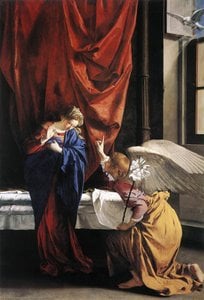
Domenico Beccafumi's artistic legacy rests primarily upon his monumental frescoes—particularly those adorning the Oratory of St. Benedict in Siena—which stand as enduring testaments to his mastery of technique and expressive vision. The Trinity Triptych, housed in the Pinacoteca Nazionale di Siena, exemplifies Beccafumi’s ability to convey religious devotion with both grandeur and intimacy—a feat achieved through masterful use of color and composition. Similarly, *The Annunciation*, also at the Pinacoteca Nazionale, showcases his distinctive stylistic approach—characterized by a subtle distortion of perspective and an evocative depiction of emotion. However, Domenico's most ambitious undertaking was undoubtedly his direction of the pavement for Siena Cathedral between 1517 and 1544—a project that spanned over half a century and involved intricate designs inlaid with marble and mosaics. He skillfully employed innovative techniques to depict biblical narratives—Ahab, Elijah, Melchisedec, Abraham, and Moses—creating images that captivated audiences and solidified Siena’s artistic prestige. Domenico Beccafumi died in Siena in 1551, marking a symbolic end to the city's illustrious tradition of painting. He remains a compelling figure—a testament to the enduring power of individual vision within the broader currents of art history, securing his place as one of the last undiluted representatives of the Sienese School and profoundly influencing subsequent generations of artists.



 Visualizar na parede
 Comprar pintura feita à mão
 Compartilhar
 Compartilhar
 Detalhes

 Baixar imagem
 Semelhantes
 Raio X
 Slideshow
 Ler mais






































 A opção de vidro está disponível apenas para tamanhos inferiores a 110 cm