Zobacz w skali 1:1 Zobacz w AR Przełącz na wersję drukowaną Kup ręcznie malowany obraz Wyślij
Szczegóły Dodaj do ulubionych Pobierz plik obrazu Podobne obiekty RTG Pokaz slajdów Statystyki

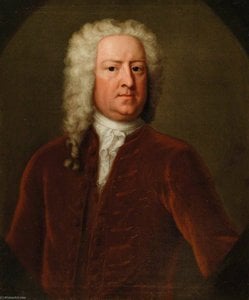
Mrs Livesay

Explore this remarkable portrait by Sir Francis Grant, showcasing Victorian elegance and artistic precision.

Odkryj mroczną wizję Francis Bacon'a – "Ukrzyżowanie" (1965). Ten poruszający tryptyk to brutalna eksploracja ludzkiego cierpienia i egzystencjalnego lęku. Sztuka, która wstrząsa i zmusza do refleksji.

Kup wysokiej rozdzielczości, ulepszony obraz cyfrowy o jakości znacznie przewyższającej podgląd online.

Każdy plik jest starannie przygotowywany przez naszych specjalistów przy użyciu zaawansowanych narzędzi oraz profesjonalnej, ręcznej retuszy. Dbamy o to, aby każdy obraz cechował się wyjątkową ostrością, precyzyjnym odwzorowaniem kolorów i subtelnymi detalami.

Ostateczny plik dostarczany jest drogą mailową w ciągu 72 godzin, zoptymalizowany do natychmiastowego wykorzystania w profesjonalnych zastosowaniach redakcyjnych i poligraficznych. To ta sama jakość, której ufają czołowe studia projektowe, wydawnictwa oraz galerie sztuki.

Obraz cyfrowy

Pobierz plik o wysokiej rozdzielczości do osobistego użytku, druku oraz projektów kreatywnych. ( Przełącz na wersję drukowaną Kup ręcznie malowany obraz)

Cena całkowita

$ 24,90

W każdym zamówieniu na obraz cyfrowy znajduje się

Profesjonalna dostawa cyfrowa z gwarancją

Wybierając WahooArt.com, nie otrzymujesz jedynie obrazu – otrzymujesz profesjonalnie udoskonalone cyfrowe dzieło sztuki, stworzone z najwyższą precyzją i objęte gwarancją satysfakcji. Oto wszystko, co automatycznie dołączane jest do Twojego zamówienia:

shipping_icon
Błyskawiczna dostawa e-mailowa

Plik z obrazem cyfrowym w wysokiej rozdzielczości zostanie przesłany na Twój adres e-mail w ciągu 72 godzin od złożenia zamówienia – gotowy do natychmiastowego użycia.

canvas_icon
Plik cyfrowy ulepszony przez AI

Twoja grafika została profesjonalnie zoptymalizowana przy użyciu zaawansowanych narzędzi AI oraz ręcznej edycji, co zapewnia maksymalną szczegółowość, klarowność i wierność kolorów.

insurance_icon
Bezpłatna dożywotnia ponowna dostawa

Przypadkowo usunąłeś lub zgubiłeś swój plik? Bez obaw – prześlemy go Tobie ponownie w dowolnym momencie, bez żadnych opłat.

tax_icon
Bez opłat importowych – zawsze

Ciesz się swoją sztuką natychmiast, bez żadnych opłat celnych, należności ani kosztów dostawy – pliki cyfrowe są zawsze wolne od podatku.

color_icon
Gwarancja odwzorowania kolorów

Dzięki zastosowaniu profesjonalnych narzędzi i procesów zarządzania barwą zapewniamy, że Twoje cyfrowe zdjęcie odzwierciedla oryginalne kolory tak wiernie, jak to tylko możliwe.

return_icon
100 dni na satysfakcję

Jeśli nie będziesz zadowolony ze swojego cyfrowego obrazu, poprawimy go lub zwrócimy 100% kosztów w ciągu 100 dni – bez zbędnych pytań.

guarantee_icon
100% Gwarancja zwrotu pieniędzy

Nie jesteś zadowolony? Otrzymaj pełny zwrot kosztów w ciągu 100 dni od otrzymania pliku cyfrowego – bez zbędnych pytań.

discount_icon
Rabaty przy zamówieniach hurtowych

Kup 3 obrazy, oszczędź 10% - Kup 5, oszczędź 15% - Kup 10+, oszczędź 20%. Idealne do projektów kreatywnych, galerii i agencji.

Kluczowe informacje

  • Influences: John Ferneley
  • Subject or theme: Formal portrait
  • Title: Mrs Livesay
  • Notable elements or techniques: Layered paint, blending
  • Location: Bristol Museum & Art Gallery
  • Movement: Romanticism
  • Year: 1851

Quiz wiedzy o sztuce

Do każdego pytania dotyczy tylko jedna poprawna odpowiedź.

Pytanie 1:
What is the primary subject matter depicted in ‘Mrs Livesay’?
Pytanie 2:
In what century was Sir Francis Grant commissioned to paint this portrait?
Pytanie 3:
What artistic style is characteristic of ‘Mrs Livesay’, as evidenced by its meticulous detail and realism?
Pytanie 4:
The artist employed a technique known for blending colors to achieve a smooth appearance. What is this technique called?
Pytanie 5:
What does the setting of ‘Mrs Livesay’ – a tree-shaded garden – symbolize in relation to the subject?

Mrs Livesay - A Portrait of Quiet Dignity

Sir Francis Grant’s “Mrs Livesay,” completed in 1851, stands as a testament to the Victorian obsession with capturing refined beauty and intellectual engagement within meticulously crafted portraits. More than just a likeness, it embodies an atmosphere of contemplative serenity—a snapshot frozen in time amidst the opulent surroundings of Melton Mowbray’s hunting society.

  • Subject Matter & Context: The painting depicts Mrs. Livesay, a woman of considerable social standing and known for her literary pursuits. Grant skillfully portrays her seated beneath a blossoming tree—a deliberate choice reflecting the Victorian fascination with nature as a symbol of moral virtue and intellectual stimulation.
  • Composition & Perspective: Employing a classic three-quarter pose, Grant’s composition prioritizes intimacy and invites viewers into the subject's inner world. The subtle recession of the landscape background—characterized by hazy greens and browns—creates a shallow depth of field, reinforcing this sense of immediacy.
  • Color Palette & Texture: Grant utilizes a muted color palette dominated by creams, blues, and reds. Soft hues envelop Mrs. Livesay’s attire, contrasting beautifully with the bold drapery behind her. Brushwork contributes significantly to textural richness—the smooth surface of the dress juxtaposed against the textured foliage conveys realism and adds visual interest.
  • Technique & Medium: Executed in oil paint on canvas, Grant’s technique demonstrates mastery of blending and layering pigments to achieve subtle gradations of tone. Careful attention is paid to capturing the nuances of light and shadow, particularly illuminating Mrs. Livesay's face and hands—areas deemed crucial for conveying personality and emotion.
  • Symbolism & Emotional Impact: The act of reading itself serves as a powerful symbol – representing knowledge, contemplation, and intellectual refinement. Combined with the tranquil setting of the garden, “Mrs Livesay” evokes feelings of grace, dignity, and inner peace—a timeless depiction of Victorian ideals.

Grant’s meticulous attention to detail elevates this portrait beyond mere representation; it aspires to capture not just what Mrs. Livesay looked like but also the essence of her character – a woman poised between intellect and beauty, bathed in the gentle light of an idyllic afternoon.

Additional Resources: Bristol Museum & Art Gallery offers a detailed examination of this remarkable artwork.


Biografia artysty

A Life Dedicated to Portraiture and the Academy

Sir Francis Grant, a name synonymous with refined portraiture and dedicated service to the British art establishment, emerged as one of the most sought-after artists of his era. Born in 1803 into a landed family in Perthshire, Scotland, young Francis initially seemed destined for a career in law. However, the allure of artistic expression proved too irresistible to resist. Though largely self-taught, he briefly studied under Alexander Nasmyth in Edinburgh, laying an early foundation before forging his own distinctive path. This path wasn’t immediately clear; Grant's initial successes came with sporting scenes, capturing the energy and vibrancy of rural life – subjects that would initially define his reputation. A pivotal moment arrived through his marriage, granting him access to the exclusive world of Melton Mowbray’s hunting set. There, he honed his skills under John Ferneley, a master of equestrian art, and began to specialize in depictions of horses and hounds – endeavors that showcased an exceptional eye for detail and composition.

Early Artistic Explorations: Sporting Scenes and Impressionistic Beginnings

Grant's artistic journey commenced with landscapes and genre paintings, reflecting the Romantic spirit of his time. *Melton Breakfast* (1834), a celebrated depiction of a fox hunt, exemplifies this early style—characterized by bold brushstrokes and vibrant colors that convey movement and excitement. It immediately garnered acclaim for its dynamism and masterful rendering of light and atmosphere. However, Grant’s artistic inclinations soon steered him toward portraiture, recognizing the potential to capture not merely physical likeness but also the essence of his subjects' personalities and social standing – a pursuit that would ultimately elevate him to prominence. His formative years were marked by diligent observation and imitation of established masters, notably Alexander Nasmyth and John Ferneley, absorbing techniques and stylistic sensibilities that would inform his subsequent work. This dedication to craft demonstrated an uncommon seriousness for someone from a privileged background.

The Equestrian Tradition: Mastering the Art of Horse Painting

Grant’s fascination with equestrian art blossomed during his association with John Ferneley, establishing him as one of Britain's foremost practitioners in this genre. Ferneley instilled in Grant a profound understanding of anatomy and perspective—skills crucial for accurately portraying horses and riders in motion. This influence is evident in numerous commissions depicting royalty and nobility engaged in hunting pursuits – works that stand apart for their technical precision and expressive quality. Paintings like *The Meeting of His Majesty's Staghounds on Ascot Heath* exemplify Grant’s ability to convey both the grandeur of the subject matter and the gracefulness of movement, capturing a moment frozen in time with remarkable fidelity. These paintings are not merely representations; they are embodiments of Victorian ideals – nobility, courage, and connection to the natural world.

The Royal Portraitist: Capturing Queen Victoria’s Majesty

Grant achieved unparalleled renown when he was entrusted with painting portraits of Queen Victoria herself—a commission that solidified his position among Britain's most respected artists. His portrait of Lady Glenlyon (1842) became a watershed moment, establishing Grant as the quintessential Victorian portraitist. Unlike many contemporaries who prioritized superficial beauty, Grant sought to convey Victoria’s inner character and regal dignity – an ambition he accomplished with remarkable subtlety and sensitivity. He skillfully blended Neoclassical elegance with Romantic influences, creating images that were both aesthetically pleasing and psychologically astute. The resulting portrait captured not just Victoria's physical appearance but also her commanding presence and unwavering resolve—a testament to Grant’s artistic prowess and his ability to distill complex emotions into visual form.

Legacy and Influence: Shaping the Future of British Art

Grant’s contribution extended beyond individual artworks; he profoundly impacted the trajectory of British art by serving as President of the Royal Academy from 1866 until his death in 1878. During his tenure, he championed innovative artistic endeavors—most notably the institution of major loan exhibitions—which broadened access to art and fostered dialogue between artists and audiences alike. This visionary leadership ensured that the Academy remained a beacon of creativity and intellectual curiosity throughout the Victorian era. Grant’s influence can be discerned in the works of subsequent generations of painters, who admired his meticulous technique and his unwavering commitment to portraying human subjects with depth and nuance—a legacy that continues to inspire artists today. His paintings remain treasured artifacts of Victorian culture – windows into a bygone age that offer enduring insights into the values and aspirations of his time. Grant’s artistic vision transcended mere representation; it sought to illuminate the human spirit, securing his place as one of Britain's greatest portraitists and shaping the landscape of British art history
Franciszek Grant

Franciszek Grant

1803 - 1878 , Zjednoczone Królestwo Wielkiej Brytanii i Irlandii

Najważniejsze informacje

  • Artistic Movement Or Style: Neoclassical, Romanticism
  • Artists Or Movements Influenced By This Artist:
    • Martin Archer Shee
    • Solomon Hart
  • Artists Who Influenced This Artist:
    • Alexander Nasmyth
    • John Ferneley
  • Date Of Birth: 18 Jan. 1803
  • Date Of Death: 5 Oct. 1878
  • Full Name: Sir Francis Grant
  • Nationality: Scottish
  • Notable Artworks:
    • Melton Breakfast
    • Lady Glenlyon
    • Queen Victoria Riding
  • Place Of Birth: Edinburgh, United Kingdom