Sunset — Elioth Gruner
Podgląd w skali 1:1 Podgląd AR Wydruk artystyczny Obraz olejny ręcznie malowany Wyślij jako kartkę
Szczegóły dzieła Karta informacyjna Dodaj do ulubionych Pobierz obraz Podobne obiekty RTG Pokaz slajdów Pytania i odpowiedzi Pobierz prezentację Statystyki

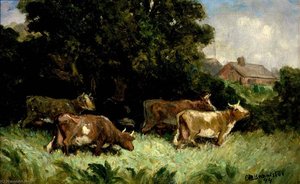
Sunset

A man tends to a herd of grazing cows near a barn, capturing a tranquil rural scene through soft, impressionistic brushwork.

Elioth Gruner (1882-1939) – wybitny australijski malarz krajobrazowy znany z idyllicznych obrazów ruralnych NSW i siedmiokrotnego zdobycia prestiżowego Wynne Prize. Odkryj jego studium światła w stylu impresjonistycznym!

Otrzymaj plik gotowy do druku, którego jakość znacznie przewyższa podgląd internetowy. Każdy sprzedawany przez nas obraz cyfrowy pochodzi z wysokorozdzielczego pliku wzorcowego w naszej bazie — zazwyczaj o szerokości od 5 000 do 15 000 pikseli — dzięki czemu możesz drukować w dużym formacie, mocno kadrować lub z pełnym przekonaniem odwzorowywać najdrobniejsze detale.

Żaden plik nie opuszcza naszego studia bez odpowiedniej obróbki. Ekspert ds. cyfrowej edycji sprawdza zgodność kolorów z oryginałem i w razie potrzeby je koryguje, a następnie za pomocą profesjonalnych narzędzi do retuszu poprawia ostrość oraz szczegółowość — zawsze zachowując wierność pociągnięciom pędzla i stylowi artysty. Rezultatem jest obraz, który wygląda jak prawdziwe dzieło, a nie jak przefiltrowany skan.

Zatwierdzasz przed finalizacją zamówienia: nasz ekspert prześle obraz drogą mailową w ciągu 72 godzin do Twojego wglądu. Nie jesteś zadowolony? Poproś o poprawki lub korektę, bądź o zwrot kosztów, jeśli jakość nie spełnia oczekiwań.

To jakość, na której polegają wydawcy, studia projektowe, galerie oraz drukarnie.

Obraz cyfrowy

Pobierz plik o wysokiej rozdzielczości do osobistego użytku, druku oraz projektów kreatywnych. ( Wydruk artystyczny Obraz olejny ręcznie malowany )

Suma do zapłaty

zł 101,68

W każdym zamówieniu na obraz cyfrowy znajduje się

Profesjonalna dostawa cyfrowa z gwarancją

Wybierając WahooArt.com, nie otrzymujesz jedynie obrazu – otrzymujesz profesjonalnie udoskonalone cyfrowe dzieło sztuki, stworzone z najwyższą precyzją i objęte gwarancją satysfakcji. Oto wszystko, co automatycznie dołączane jest do Twojego zamówienia:

Błyskawiczna wysyłka e-mailowa

Plik z obrazem cyfrowym w wysokiej rozdzielczości zostanie przesłany na Twój adres e-mail w ciągu 72 godzin od złożenia zamówienia – gotowy do natychmiastowego użycia.

Plik cyfrowy wzbogacony przez AI

Twoja grafika została profesjonalnie zoptymalizowana przy użyciu zaawansowanych narzędzi AI oraz ręcznej edycji, co zapewnia maksymalną szczegółowość, klarowność i wierność kolorów.

Darmowe ponowne przesyłki dożywotnio

Przypadkowo usunąłeś lub zgubiłeś swój plik? Bez obaw – prześlemy go Tobie ponownie w dowolnym momencie, bez żadnych opłat.

Bez opłat importowych – zawsze

Ciesz się swoją sztuką natychmiast, bez żadnych opłat celnych, należności ani kosztów dostawy – pliki cyfrowe są zawsze wolne od podatku.

Gwarancja wierności kolorów

Dzięki zastosowaniu profesjonalnych narzędzi i procesów zarządzania barwą zapewniamy, że Twoje cyfrowe zdjęcie odzwierciedla oryginalne kolory tak wiernie, jak to tylko możliwe.

Gwarancja satysfakcji przez 100 dni

Jeśli nie będziesz zadowolony ze swojego cyfrowego obrazu, dokonamy jego poprawki lub zwrócimy 100% kosztów w ciągu 100 dni – bez zbędnych pytań.

100% Gwarancja zwrotu pieniędzy

Nie jesteś zadowolony? Otrzymaj pełny zwrot kosztów w ciągu 100 dni od otrzymania pliku cyfrowego – bez zbędnych pytań.

Rabaty przy zamówieniach hurtowych

Kup 3 obrazy, oszczędź 10% - Kup 5, oszczędź 15% - Kup 10+, oszczędź 20%. Idealne do projektów kreatywnych, galerii i agencji.

Sprawdź swój wzrok

Do każdego pytania dotyczy tylko jedna poprawna odpowiedź.

Pytanie 1:
What is the subject of the painting 'Sunset'?
Pytanie 2:
Where is the man positioned in the composition of the painting?
Pytanie 3:
What can be seen in the background of the painting?
Pytanie 4:
What is the overall mood created by the composition of the painting?
Pytanie 5:
What are the cows doing in the scene?

The Depiction of Sunset by Elioth Gruner

In Sunset, Elioth Gruner presents a quiet moment of pastoral labor. A man stands within a grassy field, tending to a herd of cows that graze across the landscape. The cattle are scattered throughout the scene, with several animals positioned in the foreground while others recede into the distance. This arrangement establishes a sense of depth within the rural setting.

The composition includes a barn visible in the background, anchoring the scene in a working agricultural environment. The presence of the man and his livestock suggests a rhythmic, daily connection between the caretaker and the land. Gruner focuses on the interaction between the figure and the animals as they occupy the open pasture.

Composition and Visual Elements of the Work

The arrangement of the scene relies on a balanced distribution of weight across the landscape. A man is positioned towards the left side of the image, tending to the cattle as they graze. The cows are spread out across the field, with some positioned in the foreground and others situated further back in the distance. This spatial layering creates a sense of depth within the rural setting.

A barn is visible in the background, providing a structural anchor to the pastoral environment. The placement of the figures and animals establishes a sense of tranquility and harmony between the man and his animals. The composition emphasizes a quiet, rhythmic connection between the human presence and the natural movement of the herd.

Pytania i odpowiedzi

Czy obraz „Sunset” – Elioth Gruner można swobodnie reprodukować?

„Sunset” – Elioth Gruner znajduje się w domenie publicznej (należy do domeny publicznej – autorskie prawa majątkowe wygasły). Status ten określa zasady reprodukcji obrazu tego dzieła.

Gdzie mogę obejrzeć „Sunset” – Elioth Gruner w formie pokazu slajdów?

Dostępna jest prezentacja zdjęć: strona Prezentacja slajdów dzieła „Sunset” – Elioth Gruner.

Jaki nastrój oddaje styl Impressionism w dziele „Sunset”?

Tranquil emocja dzieła „Sunset” współgra z jego stylem Impressionism.


O artyście

Elioth Gruner - Biographical Overview

Elioth Lauritz Leganyer Gruner (1882-1939) stands as one of Australia’s most revered landscape painters, a figure inextricably linked to the Heidelberg School movement and celebrated for his profound ability to distill the essence of rural New South Wales onto canvas. Born December 16, 1882, in Gisborne, New Zealand—a region steeped in Māori heritage—Gruner descended from Norwegian-born bailiff Elliott Grüner and Irish mother Mary Ann Brennan. This familial grounding instilled within him a core belief in resilience and an intimate connection to the land – values that would become central themes throughout his artistic oeuvre. His early life was marked by considerable upheaval when his family relocated to Sydney shortly after Elioth’s birth, immersing him in an environment buzzing with burgeoning artistic activity. Recognizing his innate talent for drawing from a young age—a passion nurtured by his mother who secured lessons with Julian Ashton around twelve—Gruner embarked on a formative artistic journey. However, tragedy struck swiftly when both his father and older brother succumbed to illness, thrusting him into the daunting role of caregiver at just fourteen years old. Demonstrating remarkable fortitude, he persevered through arduous labor to provide for his family while simultaneously nurturing his artistic pursuits during weekends—sending works to exhibitions organized by the Society of Artists in Sydney around 1901—a testament to his unwavering dedication.

Developing an Impressionistic Vision

Gruner’s artistic style is undeniably rooted in Impressionism, though it evolved over time and absorbed influences from diverse sources. He possessed a singular gift for capturing the ephemeral effects of light and atmosphere within the Australian landscape, imbuing his paintings with a palpable serenity and poetic beauty. The encouragement he received from fellow artist Norman Lindsay proved pivotal in shaping his artistic trajectory, bolstering his confidence and refining his vision. Lindsay’s admiration—expressed as “painted the purest light that ever has been seen on a bit of canvas”—served as an enduring inspiration. A transformative period unfolded between 1923 and 1925 when Gruner undertook an extended sojourn in Europe, profoundly impacting his artistic sensibilities. This experience spurred him to simplify his compositions—reducing unnecessary detail—and prioritizing pattern and brushwork—allowing for greater expressive freedom. Critiques from Sir William Orpen during this time challenged Gruner to hone his technique and approach, pushing him toward a more nuanced understanding of artistic expression. He embraced the challenge with gusto, experimenting with new palettes and techniques that reflected the influence of European Impressionists.

Recognition & Major Achievements: The Wynne Prize Legacy

Gruner’s unwavering commitment to capturing the sublime beauty of the Australian bush culminated in unparalleled success at the prestigious Wynne Prize for landscape painting—a distinction he achieved seven times consecutively – an unprecedented accomplishment that cemented his place as Australia's foremost landscape artist alongside Hans Heysen. His crowning achievement, “Spring Frost” (1919)—depicting Jim Innes and his cattle bathed in the golden light of dawn—became arguably the most beloved Australian landscape painting of its time. The Art Gallery of New South Wales acquired this masterpiece, recognizing its artistic merit and enduring appeal. Furthermore, Gruner’s contribution to art education was substantial; he served as an assistant instructor at Sydney Art School during Ashton's illness, overseeing classes for approximately three months—a period that solidified his role as a mentor and champion of aspiring artists.

Later Life & Artistic Legacy

Gruner’s life was tragically curtailed by chronic nephritis—a debilitating ailment—which ultimately claimed his life on October 17, 1939, at his home in Waverley. He was cremated with Anglican rites, leaving behind a legacy of breathtaking landscapes that continue to inspire awe and admiration decades after his passing. Elioth Gruner’s paintings transcend mere representation; they embody the spirit of Australia—its vastness, its beauty, and its profound connection to nature—making him an enduring icon within Australian art history. His masterful technique—characterized by luminous color palettes and delicate brushstrokes—continues to captivate audiences today, ensuring that his artistic vision persists as a beacon of inspiration for generations to come.
Elioth Gruner

Elioth Gruner

1882 - 1939 , Nowa Zelandia

Szybki podgląd

  • Artistic Movement Or Style: Impressionism
  • Artists Who Influenced This Artist:
    • Julian Ashton
    • Norman Lindsay
  • Date Of Birth: December 16, 1882
  • Date Of Death: October 17, 1939
  • Full Name: Elioth Lauritz Leganyer Gruner
  • Nationality: Australian
  • Notable Artworks:
    • Morning Light
    • Spring Frost
    • The Valley of the Tweed
  • Place Of Birth (City And Country): Gisborne, New Zealand