DARMOWA KONSULTACJA ARTYSTYCZNA

x
Zamów reprodukcję Zamów reprodukcjęKup cyfrowy obraz Kup cyfrowy obraz UdostępnijUdostępnij
DetailsDetails Dodaj do ulubionych Dodaj do ulubionych PobierzPobierz Podobne obiektyPodobne obiekty X-RayX-Ray Pokaz slajdówPokaz slajdów

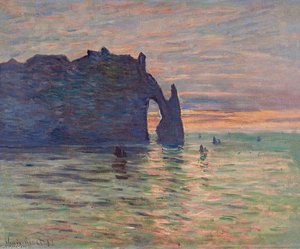
Sunset

Elioth Gruner (1882-1939) – wybitny australijski malarz krajobrazowy znany z idyllicznych obrazów ruralnych NSW i siedmiokrotnego zdobycia prestiżowego Wynne Prize. Odkryj jego studium światła w stylu impresjonistycznym!

Giclée / Wydruk artystyczny

Druk giclée lub płótno o jakości muzealnej z szybką realizacją i szerokim wyborem opcji wykończenia.

Standard
custom
CM
INCH

Wybierz spośród naszych predefiniowanych rozmiarów, które zachowują oryginalne proporcje dzieła sztuki.

szerokość
wysokość

Możesz wprowadzić własne wymiary, aby dopasować dzieło do konkretnej ramy lub przestrzeni. Jeśli wybrany rozmiar nie będzie odpowiadał proporcjom oryginalnego obrazu, przytniecie dzieło lub rozszerzymy obraz za pomocą odbicia lustrzanego lub jednolitego wypełnienia krawędzi. Przed rozpoczęciem produkcji prześlemy cyfrową wizualizację do Twojej akceptacji.
Prosimy pamiętać, że podgląd na ekranie nie odzwierciedla faktycznego przycinania ani rozszerzania. Tylko wizualizacja dokładnie pokaże końcową kompozycję.
Mimo dostępności niestandardowych rozmiarów, zalecamy wybór wymiaru z listy zdefiniowanej, aby zachować oryginalne proporcje.

Dostawa na cały świat () w ciągu 2 tygodni zamiast standardowych 4/5 tygodni. (1 Lipiec)

why_choose_icon
Bezpłatna ekspresowa wysyłka na cały świat
why_choose_icon
Wysokiej jakości płótno lniane
why_choose_icon
Pełne ubezpieczenie przesyłki
why_choose_icon
Gwarancja zwrotu należności celnych
why_choose_icon
Gwarancja pełnego zgodności kolorystycznej
why_choose_icon
Polityka 60-dniowego zwrotu (tylko w przypadku wad)
why_choose_icon
Gwarancja 100% zwrotu pieniędzy
why_choose_icon
Zniżka przy większych zamówieniach

Suma całkowita

-

reproduction

Sunset

Giclée / Wydruk artystyczny

Wymiary reprodukcji

-

Cena całkowita

-

Podobne dzieła sztuki


Biografia artysty

Elioth Gruner - Biographical Overview

Elioth Lauritz Leganyer Gruner (1882-1939) stands as one of Australia’s most revered landscape painters, a figure inextricably linked to the Heidelberg School movement and celebrated for his profound ability to distill the essence of rural New South Wales onto canvas. Born December 16, 1882, in Gisborne, New Zealand—a region steeped in Māori heritage—Gruner descended from Norwegian-born bailiff Elliott Grüner and Irish mother Mary Ann Brennan. This familial grounding instilled within him a core belief in resilience and an intimate connection to the land – values that would become central themes throughout his artistic oeuvre. His early life was marked by considerable upheaval when his family relocated to Sydney shortly after Elioth’s birth, immersing him in an environment buzzing with burgeoning artistic activity. Recognizing his innate talent for drawing from a young age—a passion nurtured by his mother who secured lessons with Julian Ashton around twelve—Gruner embarked on a formative artistic journey. However, tragedy struck swiftly when both his father and older brother succumbed to illness, thrusting him into the daunting role of caregiver at just fourteen years old. Demonstrating remarkable fortitude, he persevered through arduous labor to provide for his family while simultaneously nurturing his artistic pursuits during weekends—sending works to exhibitions organized by the Society of Artists in Sydney around 1901—a testament to his unwavering dedication.

Developing an Impressionistic Vision

Gruner’s artistic style is undeniably rooted in Impressionism, though it evolved over time and absorbed influences from diverse sources. He possessed a singular gift for capturing the ephemeral effects of light and atmosphere within the Australian landscape, imbuing his paintings with a palpable serenity and poetic beauty. The encouragement he received from fellow artist Norman Lindsay proved pivotal in shaping his artistic trajectory, bolstering his confidence and refining his vision. Lindsay’s admiration—expressed as “painted the purest light that ever has been seen on a bit of canvas”—served as an enduring inspiration. A transformative period unfolded between 1923 and 1925 when Gruner undertook an extended sojourn in Europe, profoundly impacting his artistic sensibilities. This experience spurred him to simplify his compositions—reducing unnecessary detail—and prioritizing pattern and brushwork—allowing for greater expressive freedom. Critiques from Sir William Orpen during this time challenged Gruner to hone his technique and approach, pushing him toward a more nuanced understanding of artistic expression. He embraced the challenge with gusto, experimenting with new palettes and techniques that reflected the influence of European Impressionists.

Recognition & Major Achievements: The Wynne Prize Legacy

Gruner’s unwavering commitment to capturing the sublime beauty of the Australian bush culminated in unparalleled success at the prestigious Wynne Prize for landscape painting—a distinction he achieved seven times consecutively – an unprecedented accomplishment that cemented his place as Australia's foremost landscape artist alongside Hans Heysen. His crowning achievement, “Spring Frost” (1919)—depicting Jim Innes and his cattle bathed in the golden light of dawn—became arguably the most beloved Australian landscape painting of its time. The Art Gallery of New South Wales acquired this masterpiece, recognizing its artistic merit and enduring appeal. Furthermore, Gruner’s contribution to art education was substantial; he served as an assistant instructor at Sydney Art School during Ashton's illness, overseeing classes for approximately three months—a period that solidified his role as a mentor and champion of aspiring artists.

Later Life & Artistic Legacy

Gruner’s life was tragically curtailed by chronic nephritis—a debilitating ailment—which ultimately claimed his life on October 17, 1939, at his home in Waverley. He was cremated with Anglican rites, leaving behind a legacy of breathtaking landscapes that continue to inspire awe and admiration decades after his passing. Elioth Gruner’s paintings transcend mere representation; they embody the spirit of Australia—its vastness, its beauty, and its profound connection to nature—making him an enduring icon within Australian art history. His masterful technique—characterized by luminous color palettes and delicate brushstrokes—continues to captivate audiences today, ensuring that his artistic vision persists as a beacon of inspiration for generations to come.
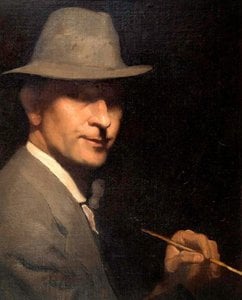
Elioth Gruner

Elioth Gruner

1882 - 1939 , Nowa Zelandia

Kluczowe informacje

  • Artistic Movement Or Style: Impressionism
  • Artists Who Influenced This Artist:
    • Julian Ashton
    • Norman Lindsay
  • Date Of Birth: December 16, 1882
  • Date Of Death: October 17, 1939
  • Full Name: Elioth Lauritz Leganyer Gruner
  • Nationality: Australian
  • Notable Artworks:
    • Morning Light
    • Spring Frost
    • The Valley of the Tweed
  • Place Of Birth (City And Country): Gisborne, New Zealand